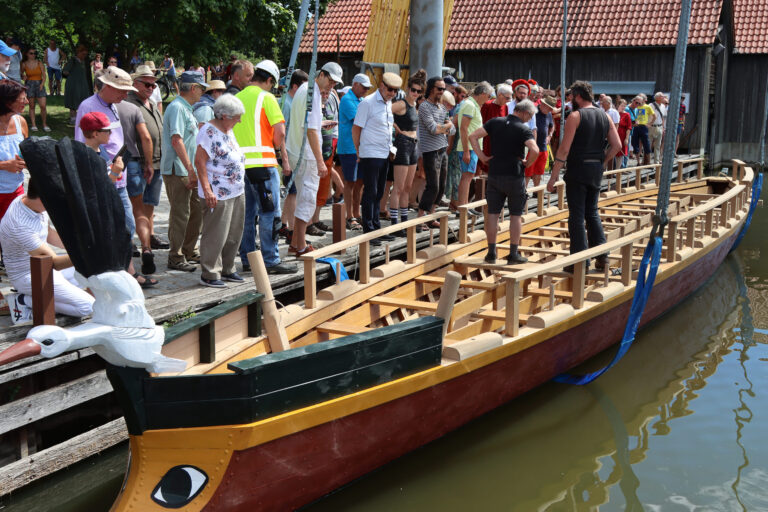
When Roman emperors and generals began conquering the region along the Rhine and Danube from the first century AD onwards, there were initially no roads. Only one means of transport was available to carry troops, goods and news from distant regions to the wilds of the north: by ship on the rivers.
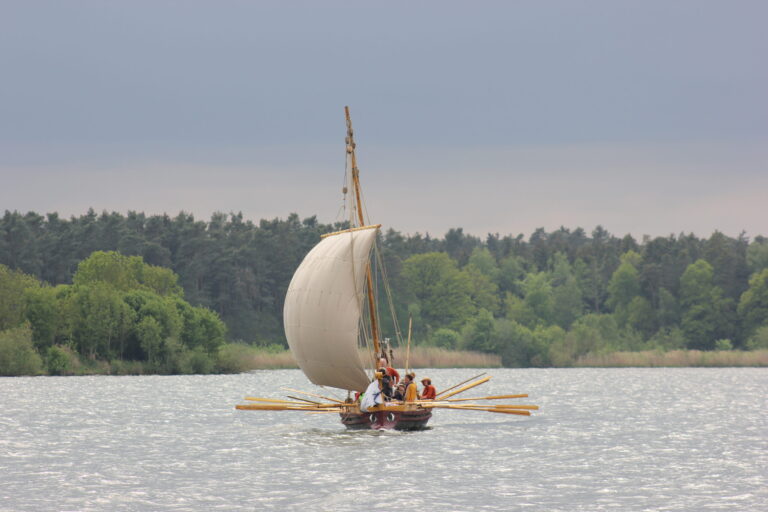
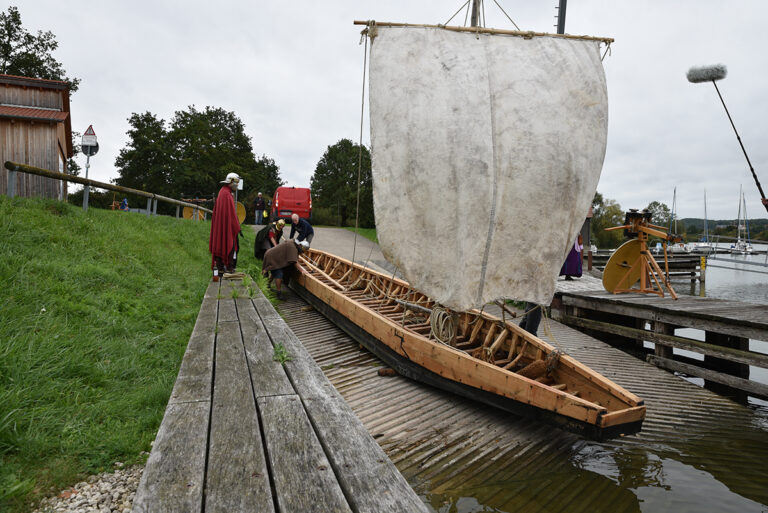
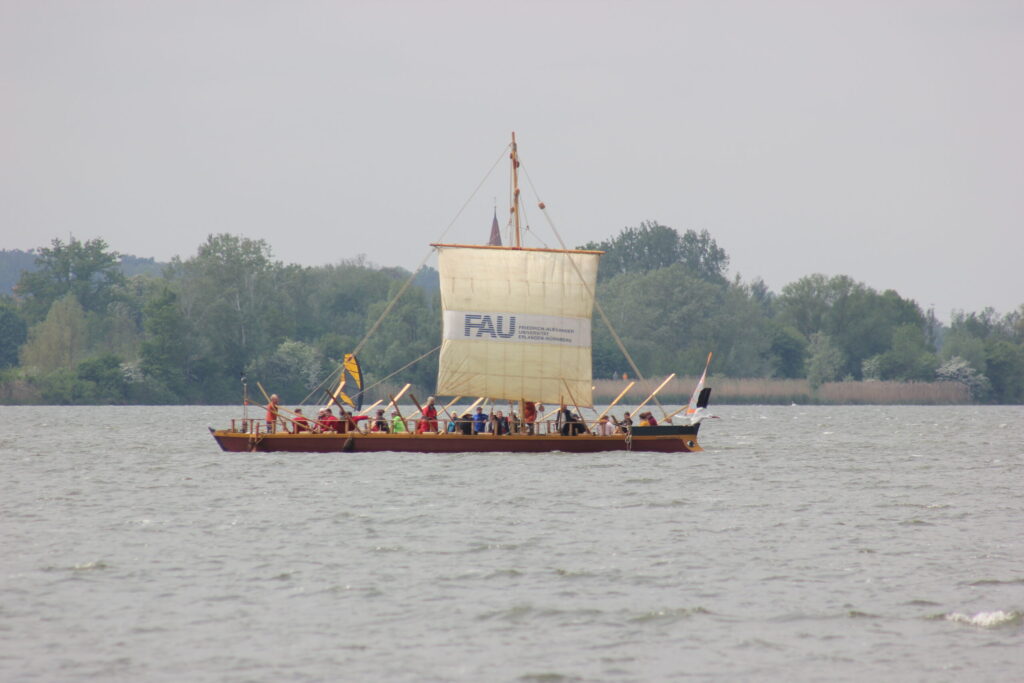
What did these Roman ships, or rather boats, that the Romans used to advance deep into this territory and later used to patrol the river boundaries look like? What were they made of? Which technology was used to propel them? Which speeds could they achieve and which distances could they cover? Who were the rowers? The answers to some of these questions have already been found, but what was it like in real life? Prof. Dr. Boris Dreyer, an expert in ancient history from the Professorship for Ancient History, has been exploring these questions in a very special way since 2016: he reconstructs and tests Roman river boats, taking them as far as the Black Sea. It goes without saying that he cannot tackle such a mammoth project single-handedly. He is assisted by professional boat builders, students and a great many volunteers
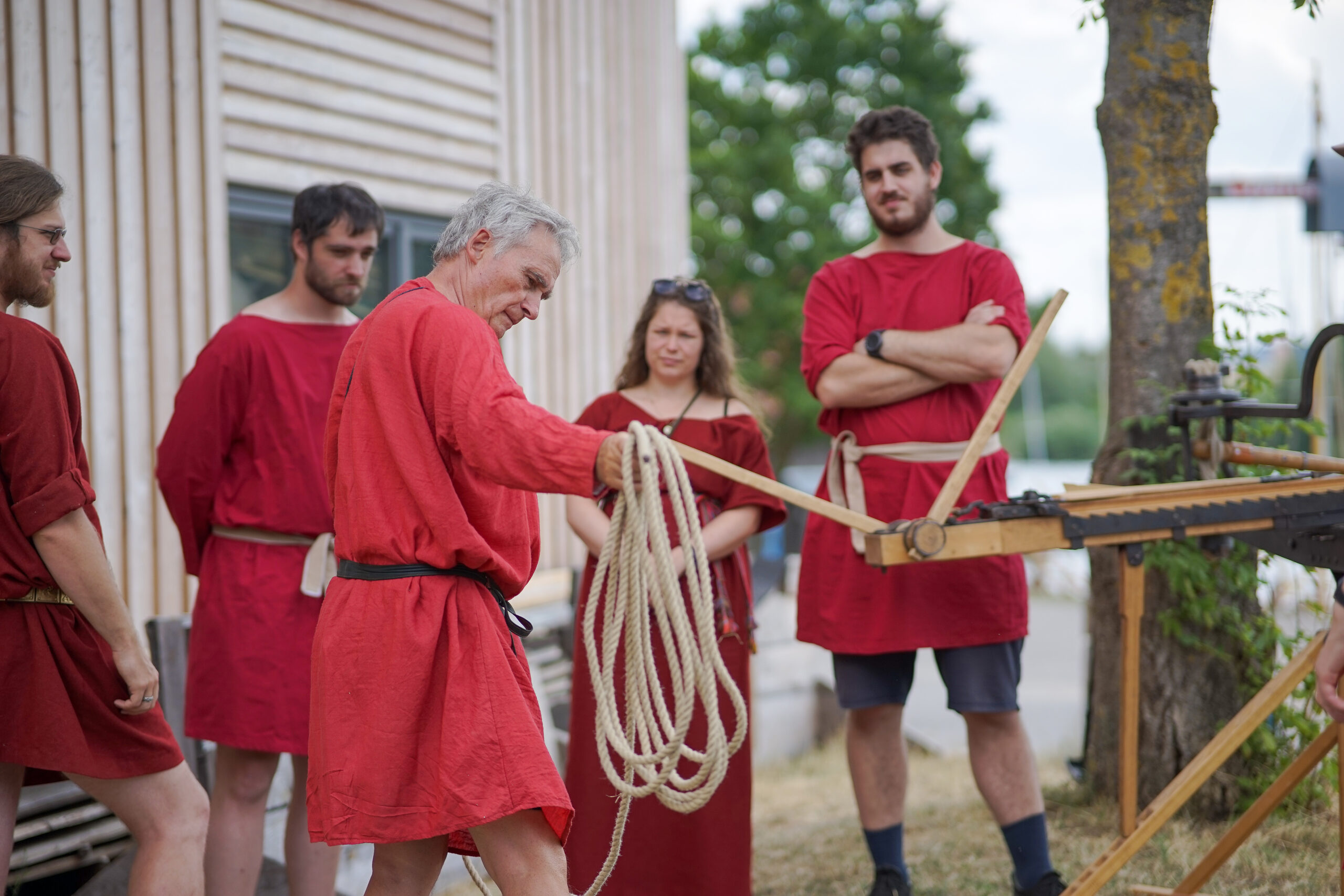
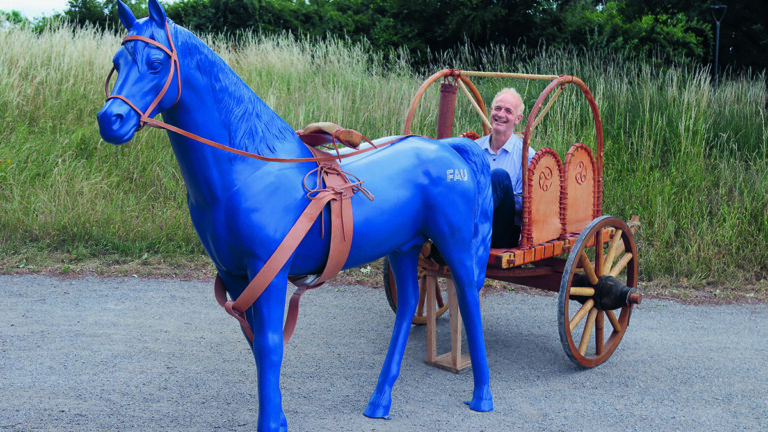
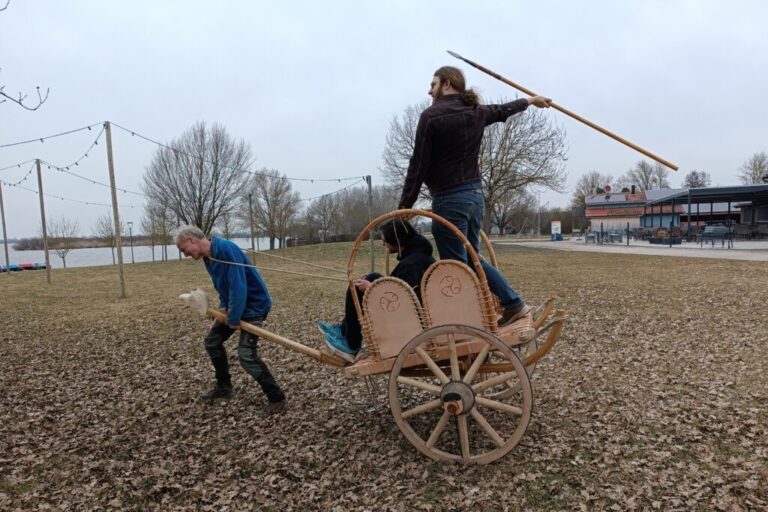
During the first project, which began in December 2016, Prof. Dreyer and his team of helpers reconstructed a Roman riverboat that would have been used at the beginning of the second century AD. The Fridericiana Alexandrina Navis, F.A.N. for short, was launched in March 2018 and made her maiden voyage in May, before departing for the Black Sea in August. Construction of a new boat called the Danuvina Alacris (or D.V.C.) began with the keel laying in May 2021 as part of the EU Interreg DTP project “Living Danube Limes”. Boats of this type navigated the river boundaries of the Roman Empire in the fourth century AD. In autumn 2025, a third boat was launched: a scaled down replica of a transport boat. With the help of other reconstructions, Prof. Dreyer is also investigating related topics such as how ancient bread ovens worked, how accurately Roman catapults could shoot, and how Celtic chariots were driven.
Find out more
Follow us and support the projects
The F.A.N. in miniature
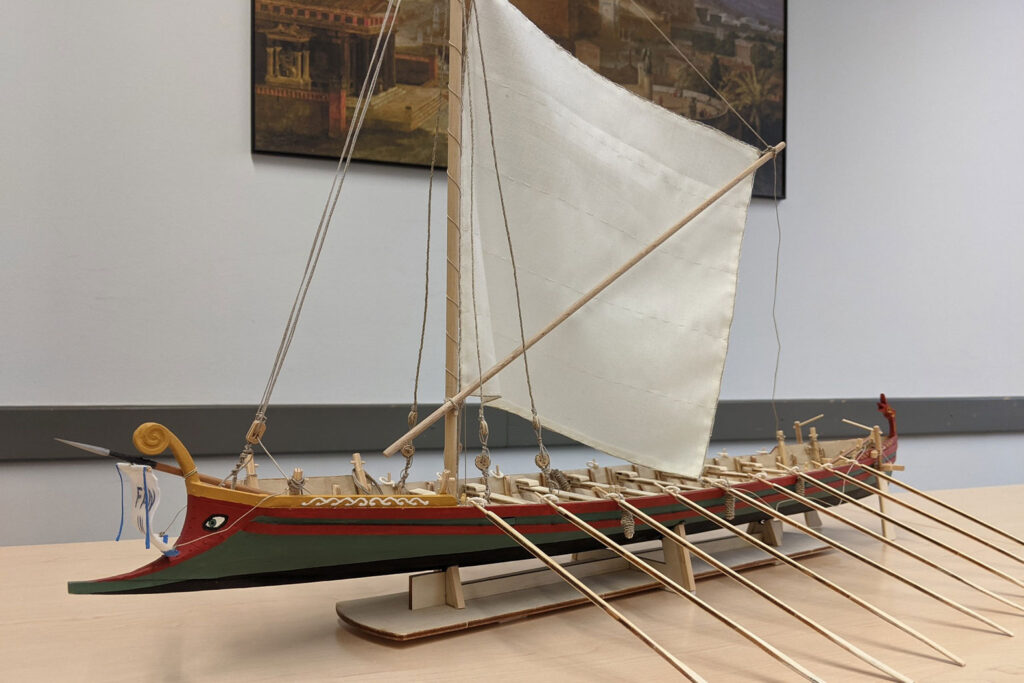
Can’t get enough of the F.A.N.? Why not get your own model of this historic vessel at a scale of 1:20 for 49 euros? Just send an email to the Professorship for Ancient History at boris.dreyer@fau.de.
The kit does not contain paint, glue, ropes or a sail.