
The Nobel Prize is considered the most prestigious accolade in the areas of physics, chemistry, physiology, medicine, literature and efforts for peace. Until now, four people who have personal and professional connections to FAU have won the Nobel Prize – proof that FAU has not only recently become one of the most successful universities in Germany.
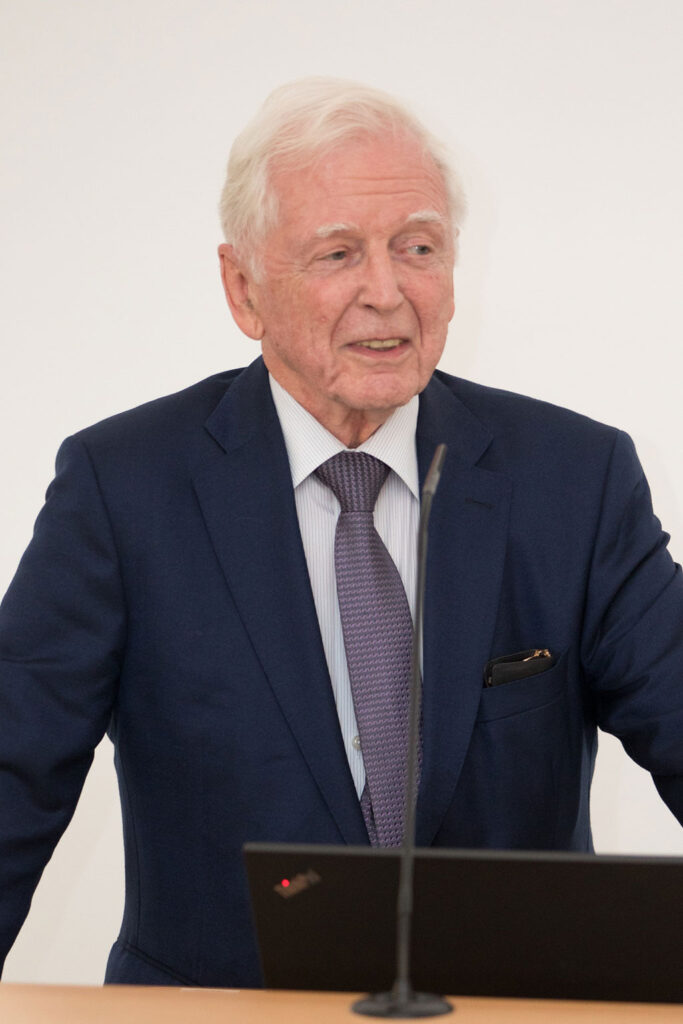
Harald zur Hausen – Nobel Prize in Medicine 2008
Prof. Dr. Harald zur Hausen won the Nobel Prize for Medicine in 2008 for discovering human papillomaviruses that can cause cervical cancer. The researcher laid down the groundwork for his discovery during his time at FAU, where he was the director of the Institute for Clinical Virology. Even after leaving, Professor von Hausen maintained close ties to Friedrich-Alexander-Universität. From 1998 to 2002 he was a member of the University Council. In 2002 he was appointed an honorary senator of FAU. In 2005 he received a honorary doctorate from the Faculty of Medicine.
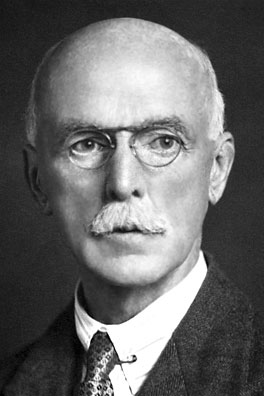
Arthur Harden – Nobel Prize in Chemistry 1929
Sir Arthur Harden was awarded the Nobel Prize in Chemistry in 1929. The jury honored him together with Hans Karl August Simon von Euler-Chelpin for their research into the fermentation of sugar. Harden spent a total of 12 months conducting research in Erlangen from 1887 to 1888.
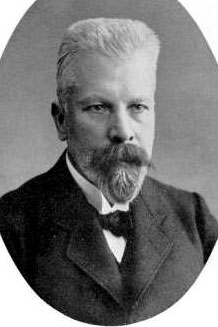
Eduard Buchner – Nobel Prize in Chemistry 1907
Eduard Buchner received the Nobel Prize in Chemistry in 1907 for discovering non-cellular fermentation. Buchner completed his doctoral degree in 1888, with Prof. Theodor Curtius from Universität Erlangen one of his supervisors.
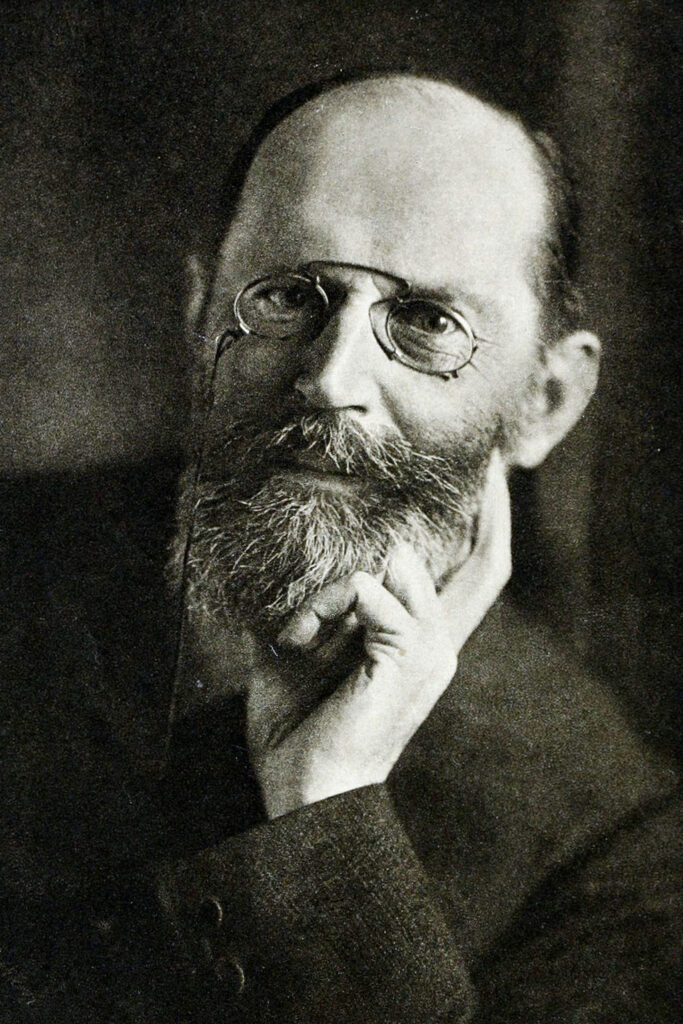
Emil Fischer – Nobel Prize in Chemistry in 1902
The Nobel Prize winner Hermann Emil Fischer researched and taught Chemistry at Universität Erlangen-Nürnberg from 1881 to 1888. The Emil Fischer Center at the University is named after him. He received several awards for his outstanding achievements in his work involving sugars, carbohydrates, enzymes, proteins and purines. He received the Nobel Prize in Chemistry in 1902 in recognition of his work researching sugar and purine synthesis.