
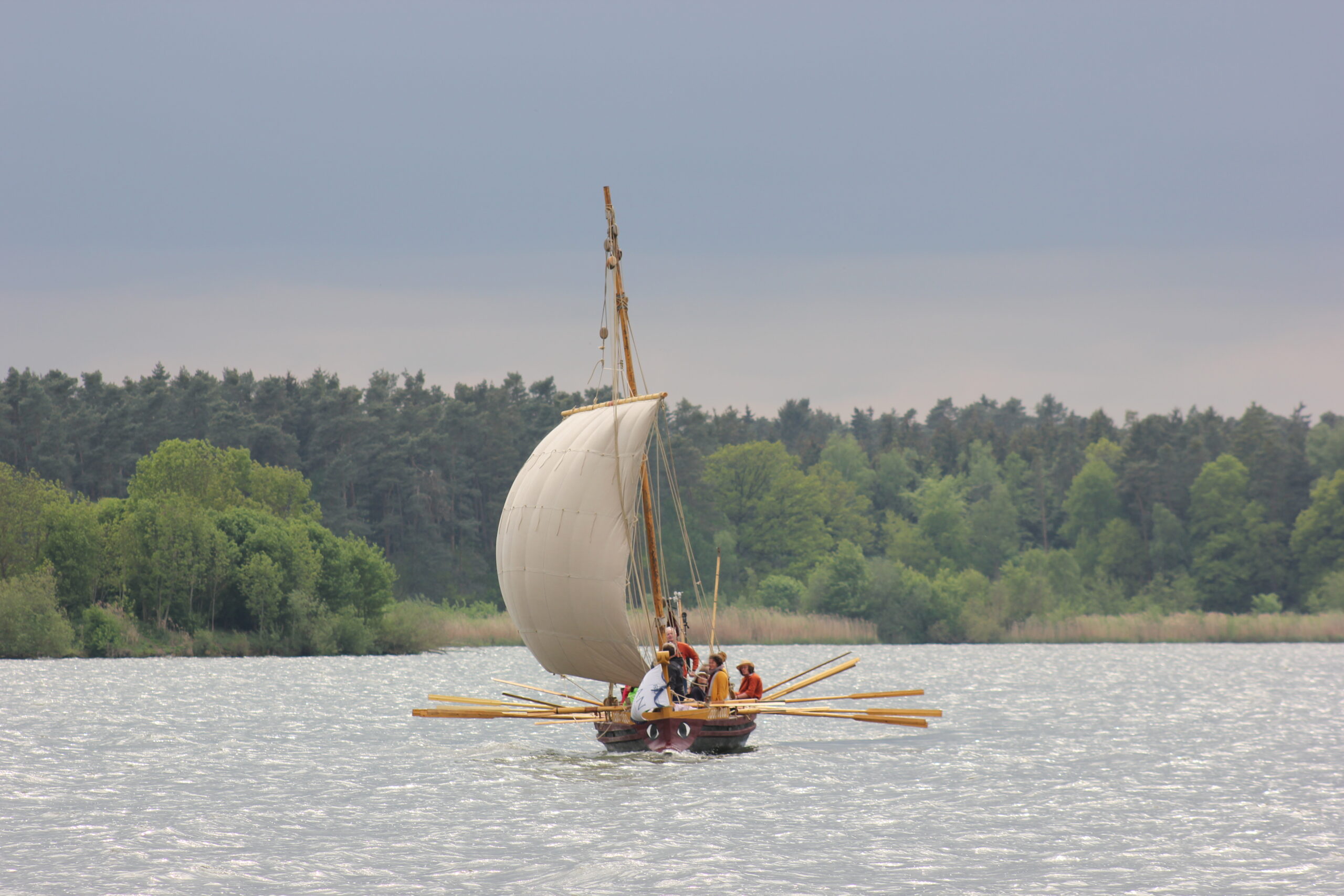
Interdisciplinary FAU project uses Roman boat to work with young people
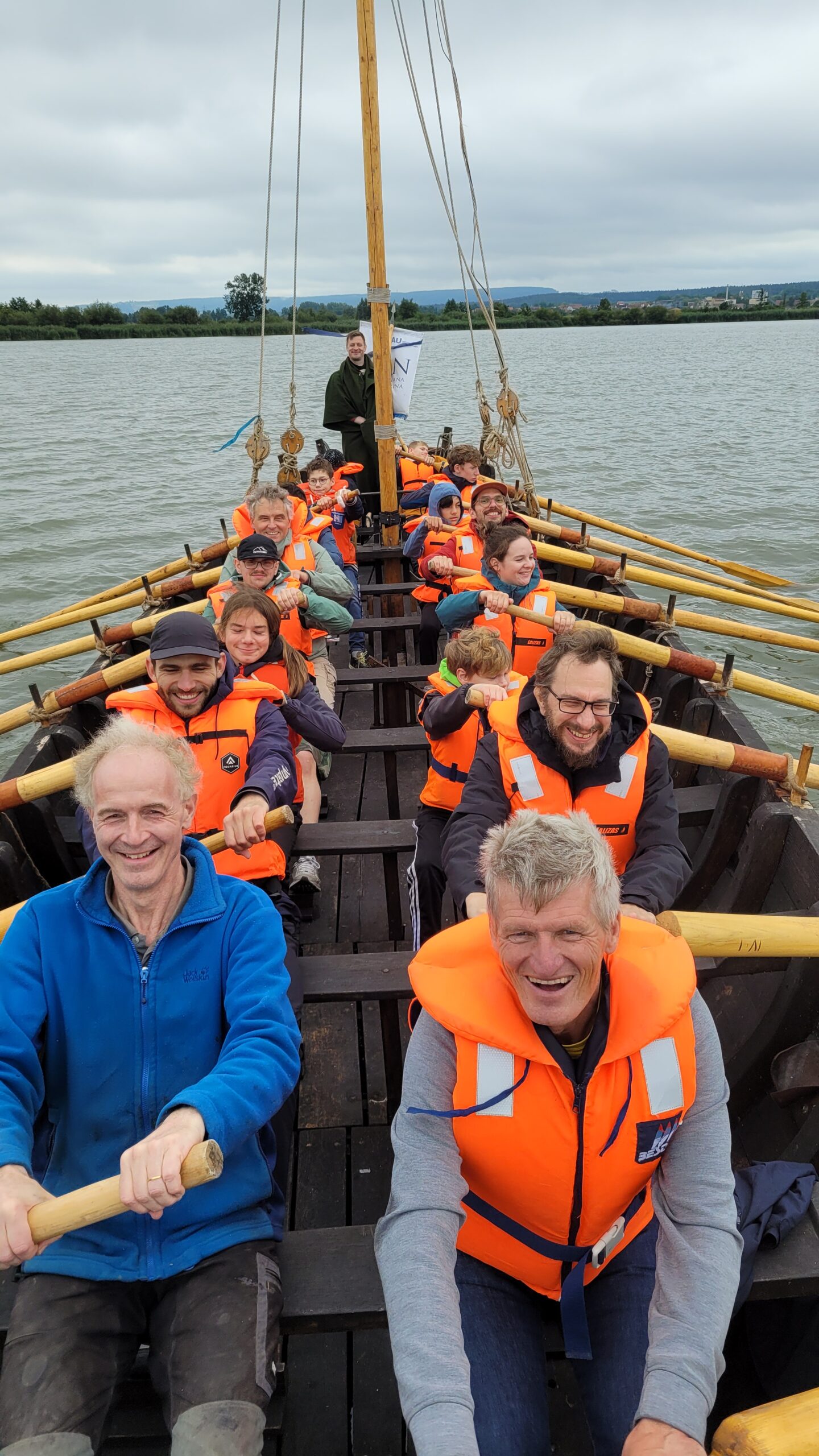
As the F.A.N., one of Friedrich-Alexander-Universität Erlangen-Nürnberg’s Roman vessels, crossed the Altmühlsee lake at the beginning of August, the crew was not made up of the team that usually sits at the oars of the replica boat. Rather, on that day, the crew of the F.A.N. consisted of children and young people from two residential care groups run by Rummelsberger Dienste für junge Menschen (RDJ). The unusual expedition was led by professor of Ancient History and Roman boat project leader Prof. Dr. Boris Dreyer, Professorship for Ancient History, and Prof. Dr. Thomas Eberle, Chair of School Education focusing on School Development Research and Experiential Learning. They were also joined by Andreas Taschka, head of the care groups for young people and other team members from all three areas.
Three days of activity
Rowing with the Roman boat was part of an interdisciplinary project that came into being through a collaboration between the two FAU professors. “The aim was to create an experience-based learning environment that explores Roman history in Germany and combines it with the promotion of personal and teamworking skills,” explains Prof. Eberle. In a range of different activities, the goal was to introduce the children and young people to new learning experiences, enable them to get to know themselves better and improve their teamwork through direct feedback. “We drew up team exercises and discussions that support the learning process and help participants to reflect on what they’ve experienced,” explains Simon Taschka, research associate at Prof. Eberle’s chair. The children and young people discovered a lot more than just rowing. In a tour of the boatyard at Seezentrum Schlungenhof, Boris Dreyer provided them with detailed insights into the construction of Roman boats, the Celtic wagon and the ancient artillery.
Work resumed on the second day. Some of the participants swapped the oars for planes and drawing knives and helped to make two new oars. In addition, the hull of the new Roman boat, the “Alchmona rediviva” (Latin for “revived Altmühl”) needed to be sealed with hemp rope and painted with hot tar. Outside, other participants stoked the fire in the oven, kneaded bread dough, shaped flatbreads and baked Roman bread known as “panis militaris” and prepared garlic oil.
The project came to an end on the third day with another outing for the Roman patrol boat on the lake. “The group decided themselves to change where they sat in the boat so that they could help each other out better,” says Prof. Eberle. “In addition, we also noticed how the entire team performed the maneuver they learned on Monday and rowed largely in time.” The children and young people, but also the adults, were shown in a very impressive way how important it is to put one’s own needs to one side for the benefit of the team’s success and how important working together in rhythm is for efficient travel in such a vessel. “The subjective positive impression of the improvements was confirmed by the GPS data of the excursions”, stated Prof. Dreyer.
The team are already planning to return to the Altmühlsee lake at the end of September, where FAU’s next Roman boat will take to the water.
 1/9
1/9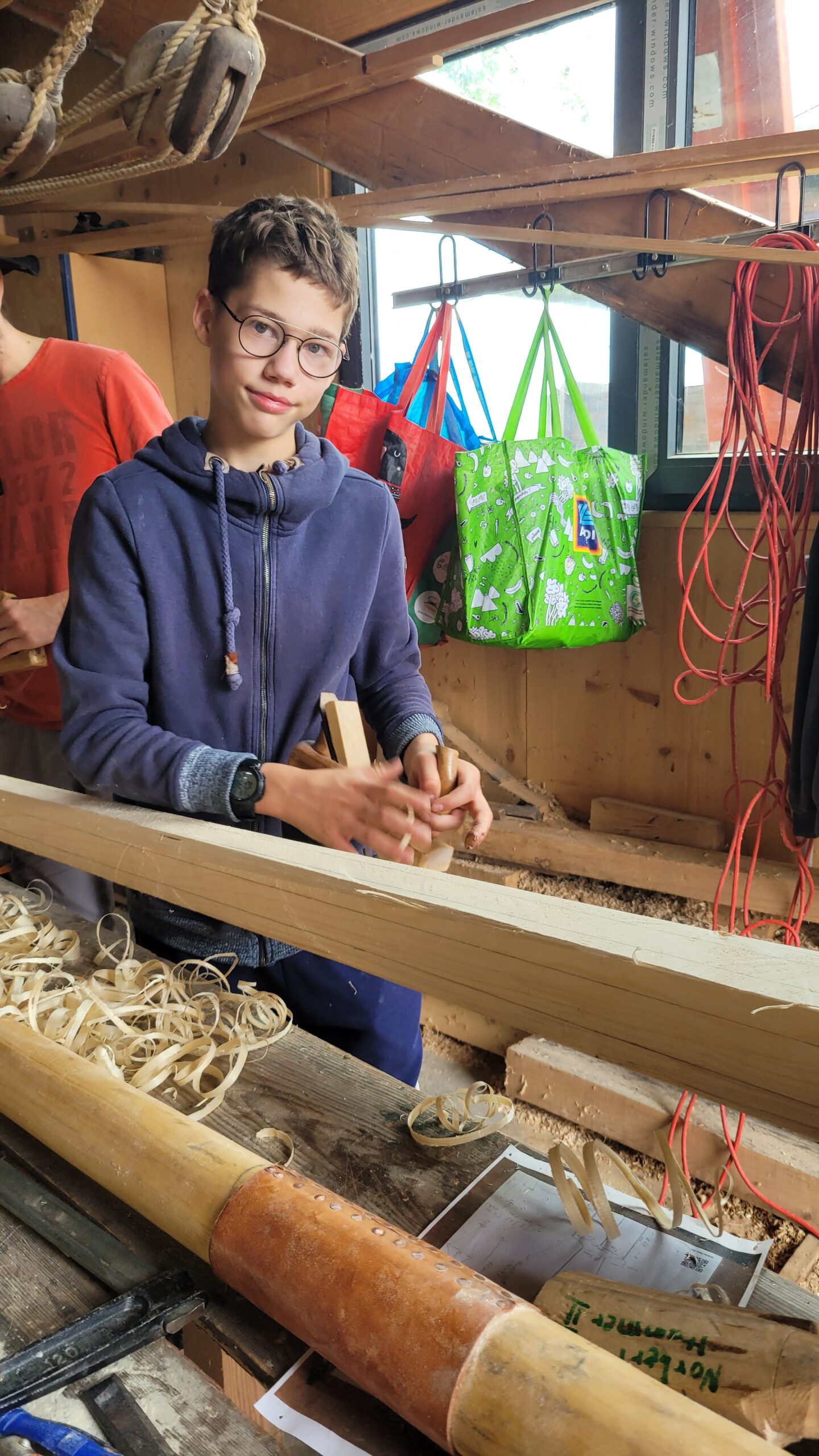 2/9
2/9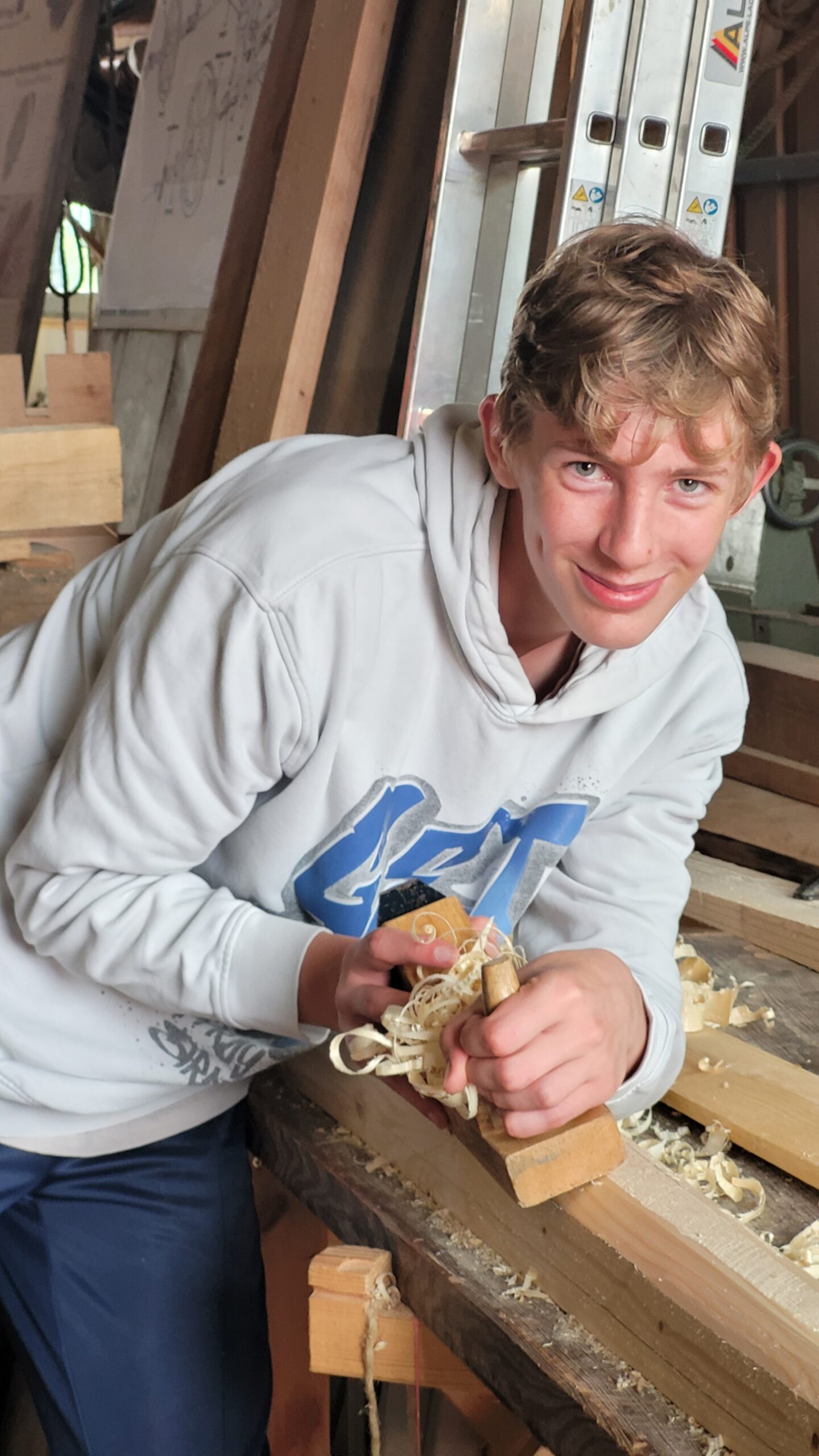 3/9
3/9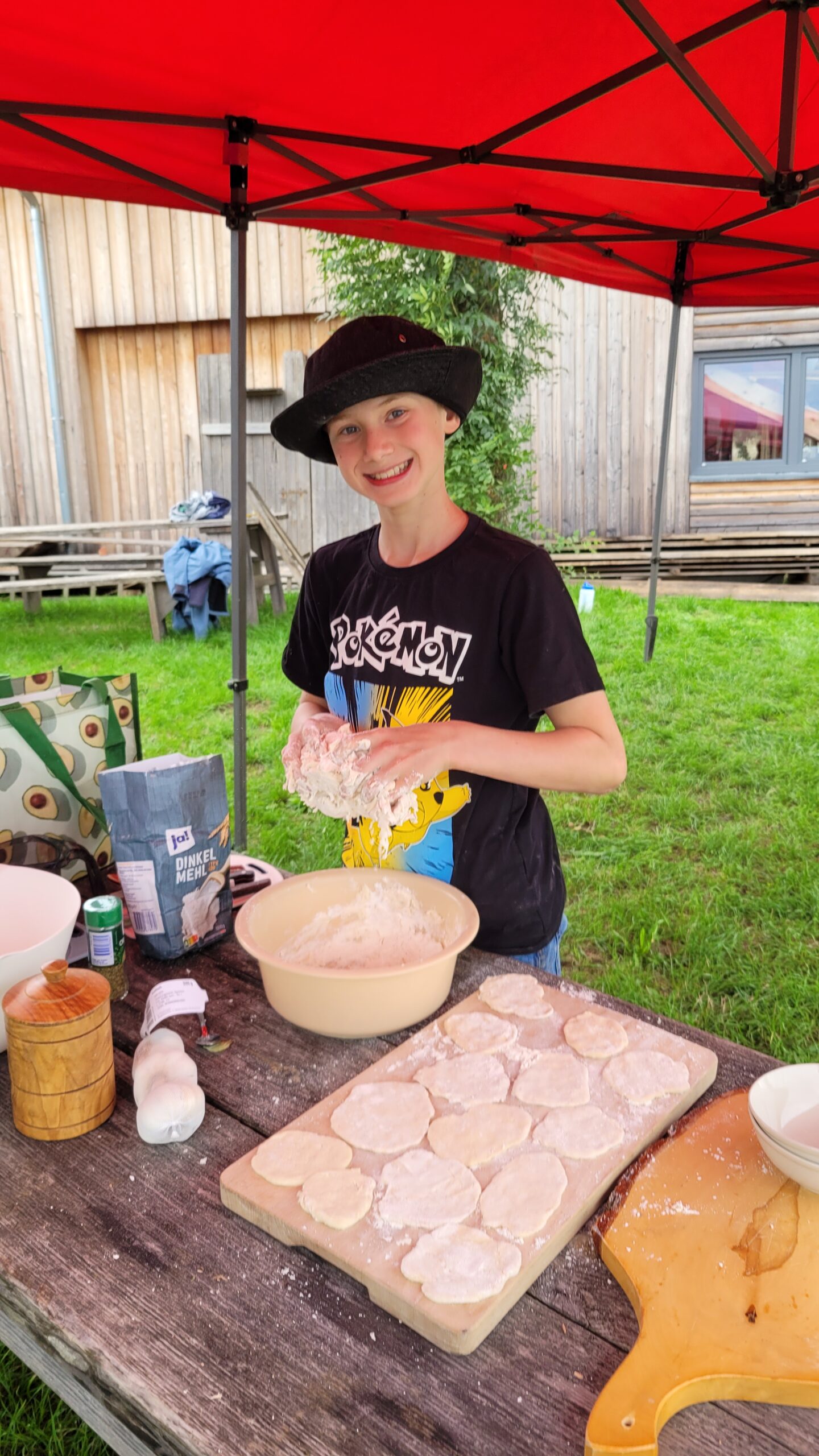 4/9
4/9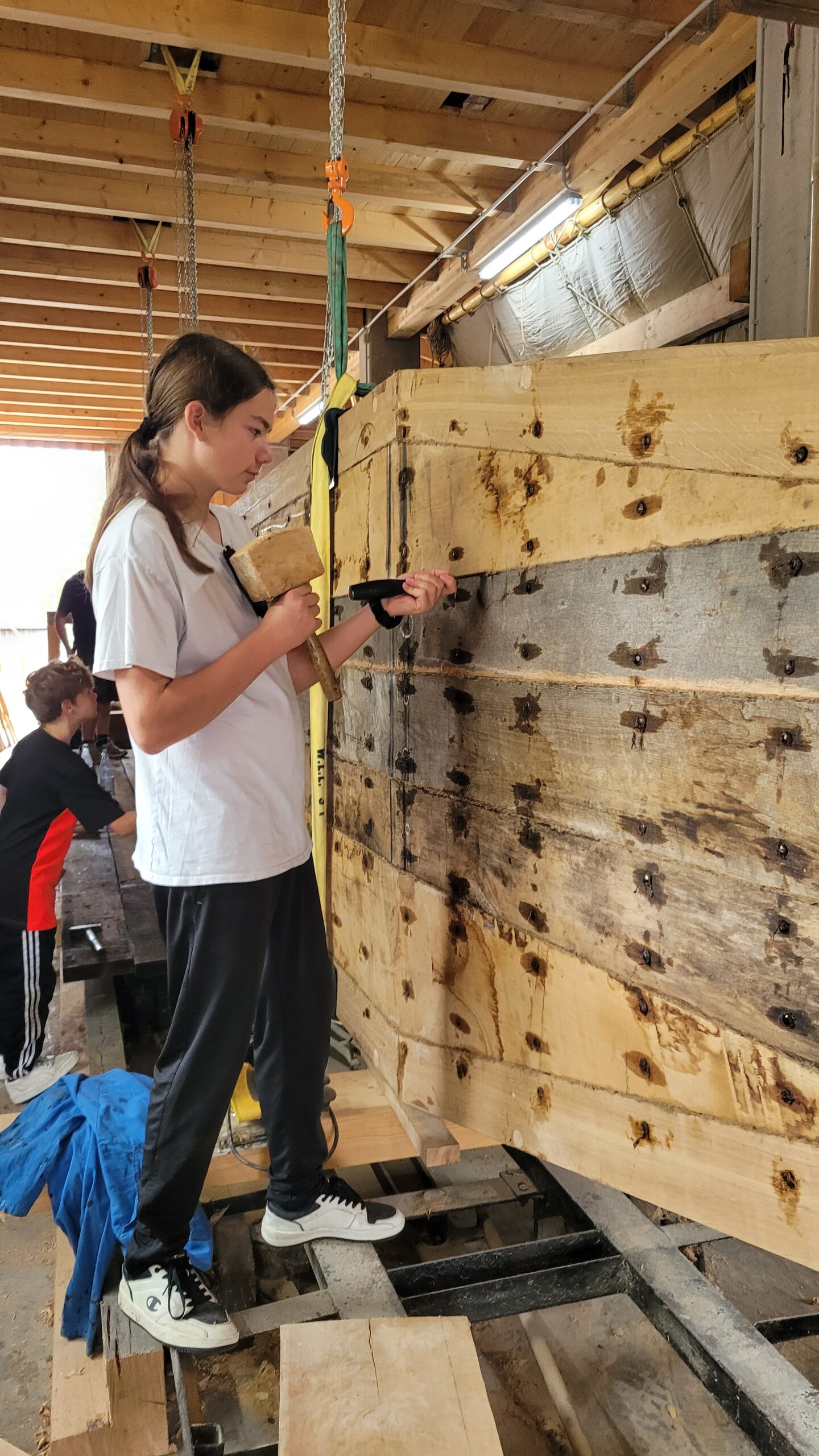 5/9
5/9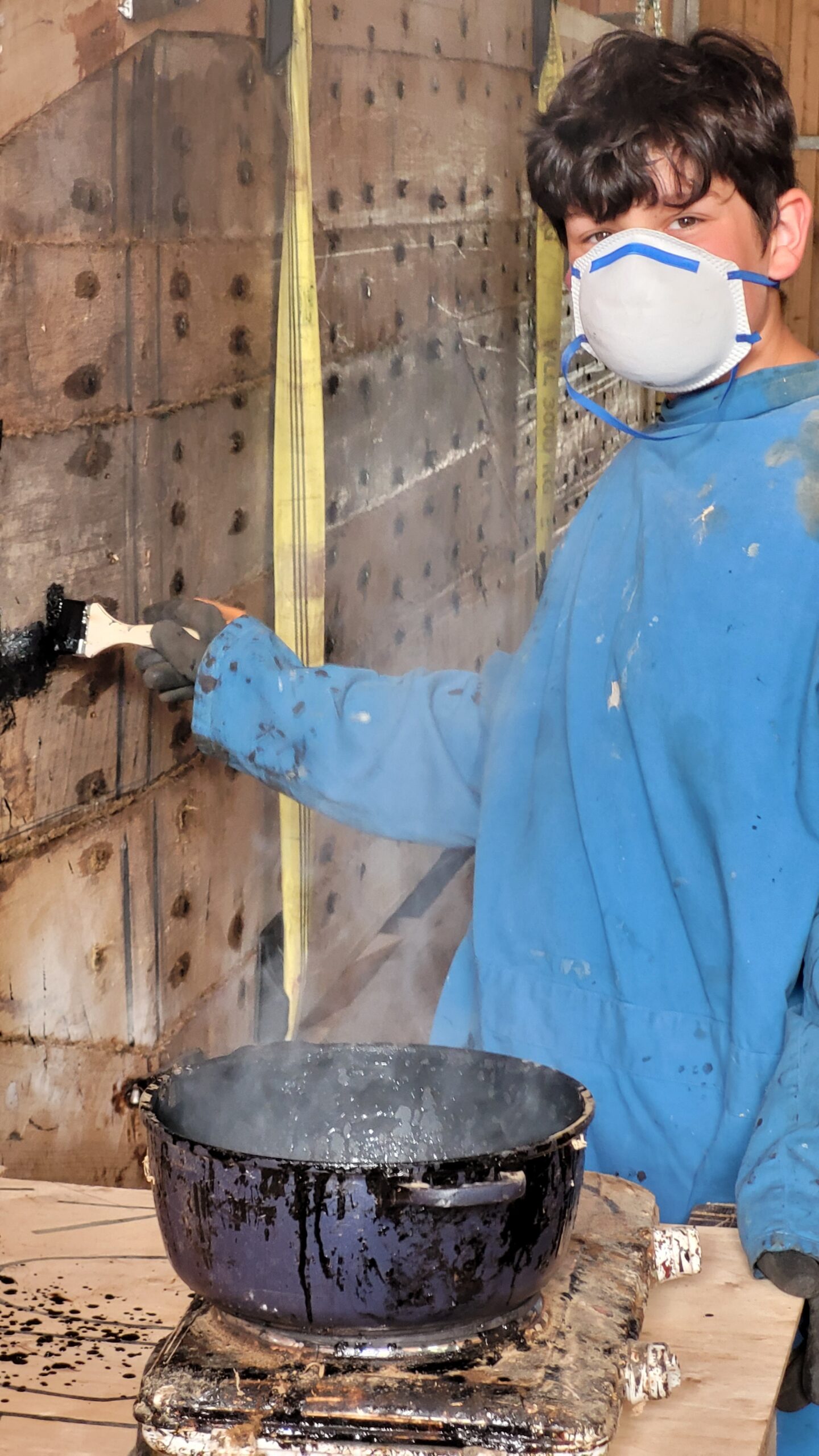 6/9
6/9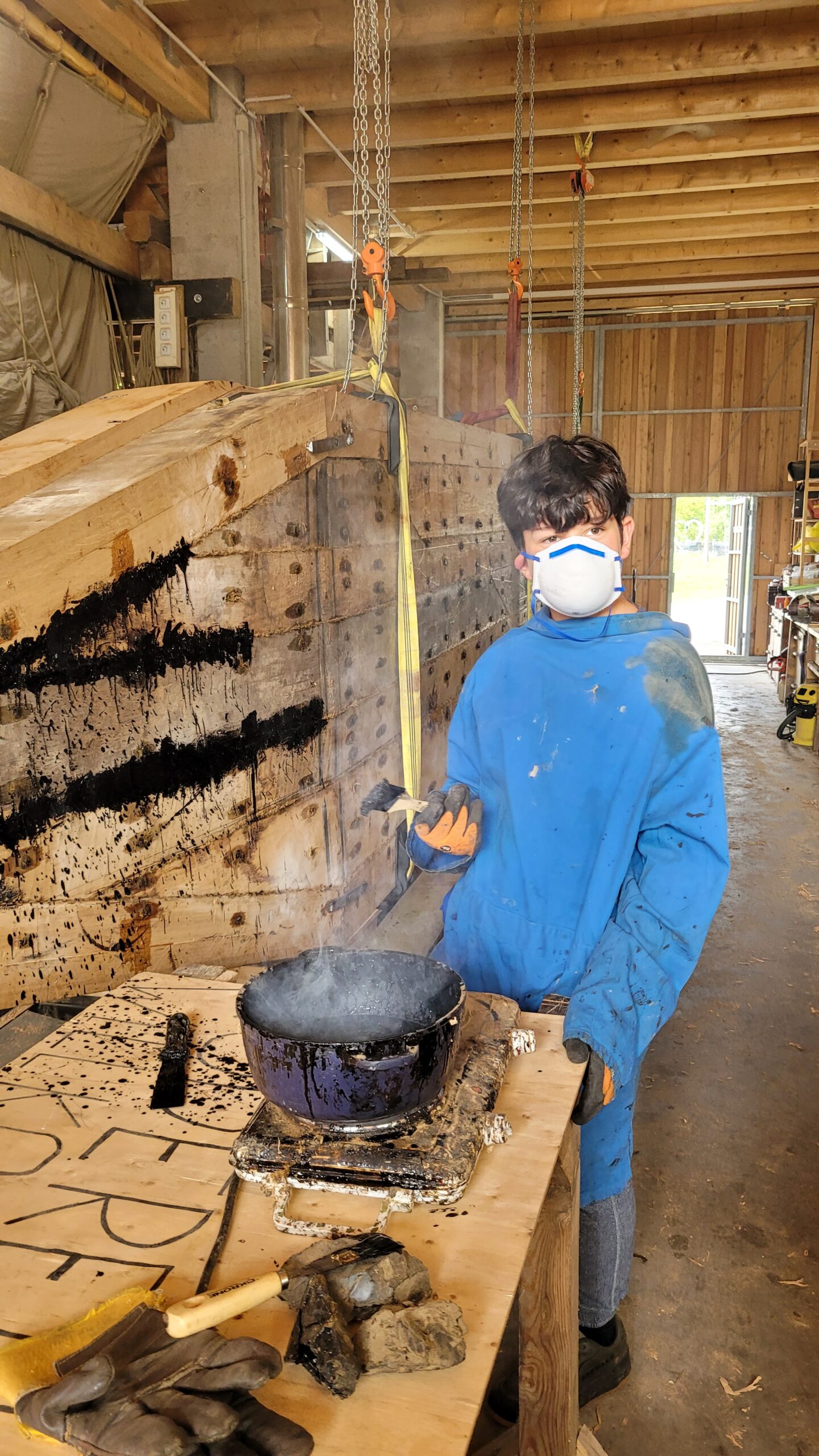 7/9
7/9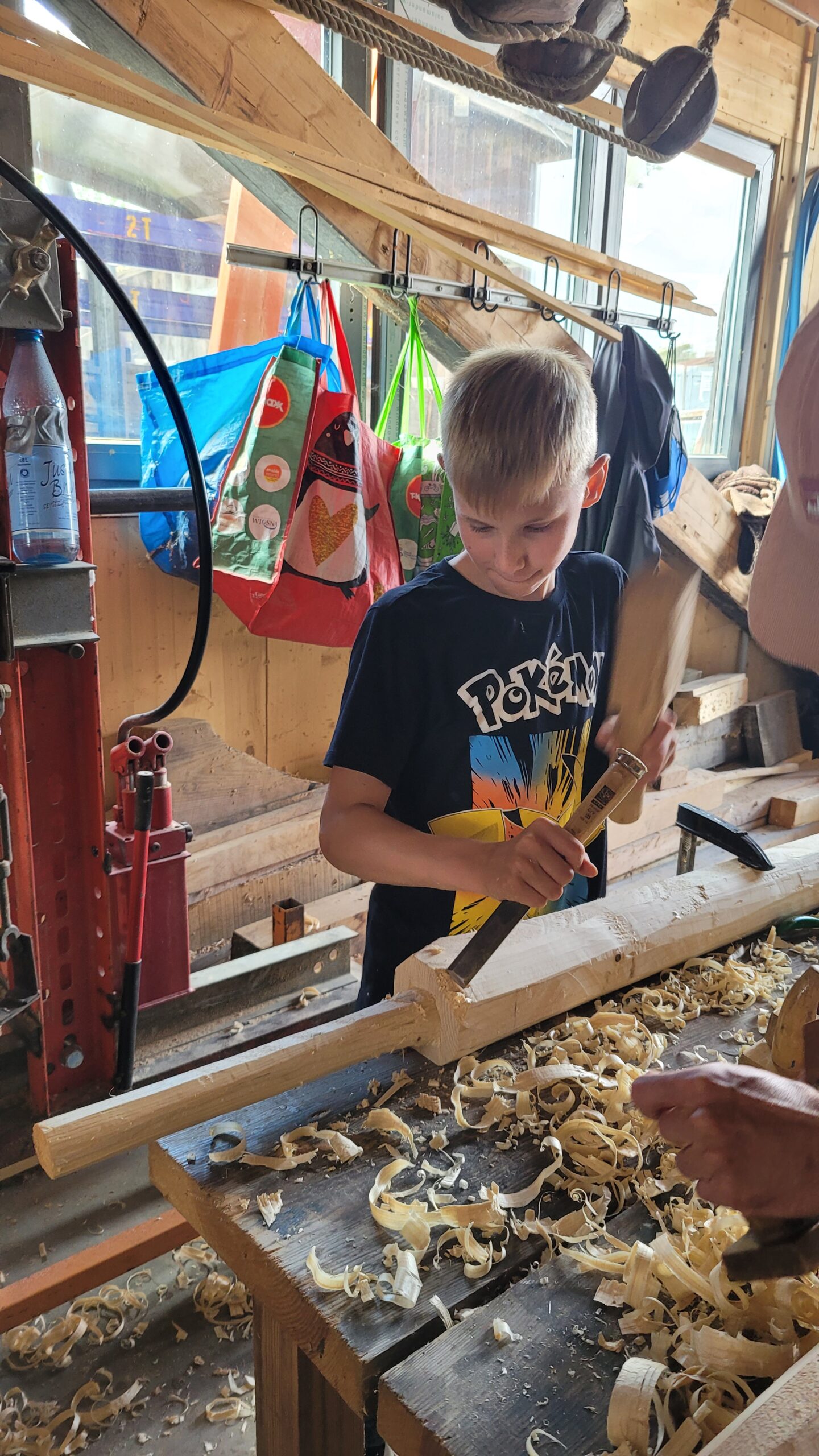 8/9
8/9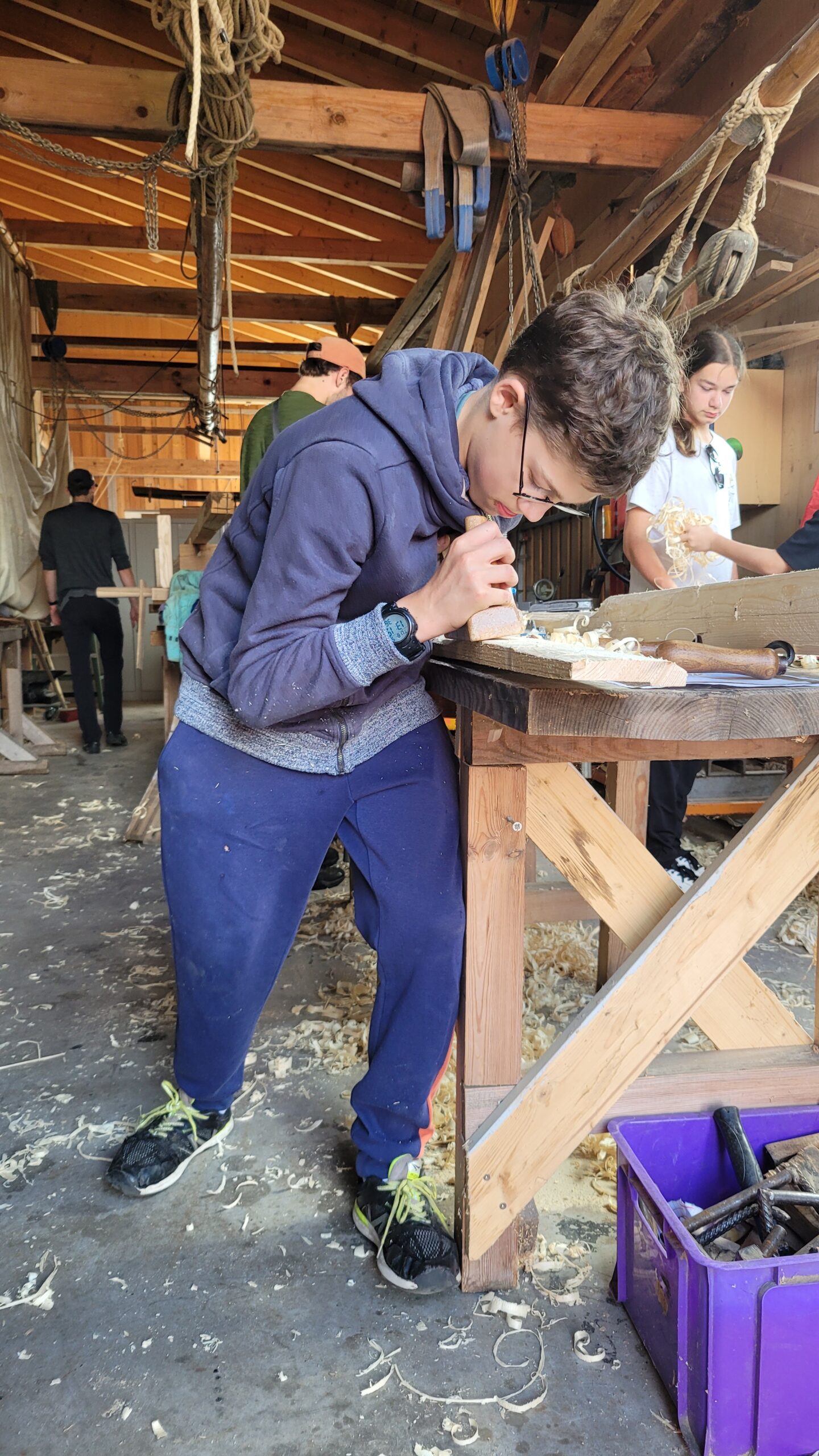 9/9
9/9Further information:
Prof. Dr. Thomas Eberle
Phone: + 49 178 4037543
office@thomaseberle.de
Prof. Dr. Boris Dreyer
Phone: + 49 157 34293933
boris.dreyer@fau.de