
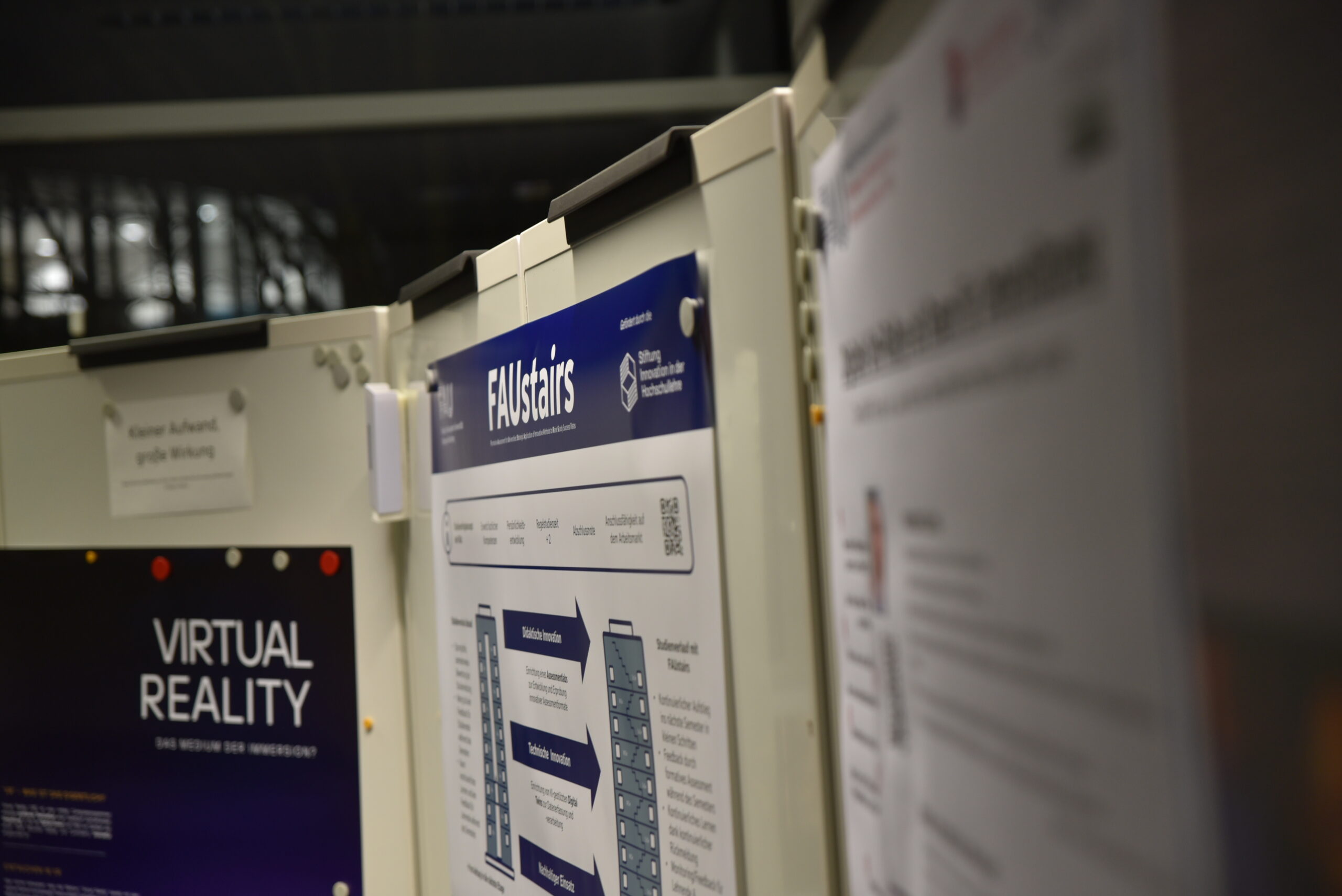
FAU teaching staff discuss best practice examples from teaching
During an afternoon devoted to innovative teaching, the “Nachmittag der innovativen Lehre”, lecturers from different subjects and organizational units at Friedrich-Alexander-Universität Erlangen-Nürnberg (FAU) gave insights into current teaching projects and presented how they explore new avenues for learning and teaching.
The winners of teaching awards from the last two years, those responsible for successful projects in the Innovation Fund for Teaching at FAU, dedicated teaching staff, and stakeholders from central organizational units at FAU met Vice President Education Prof. Dr. Andrea Bréard to share their experiences and explore ideas. Alongside brief presentations of individual projects, the focus was on discussion and sharing insights.
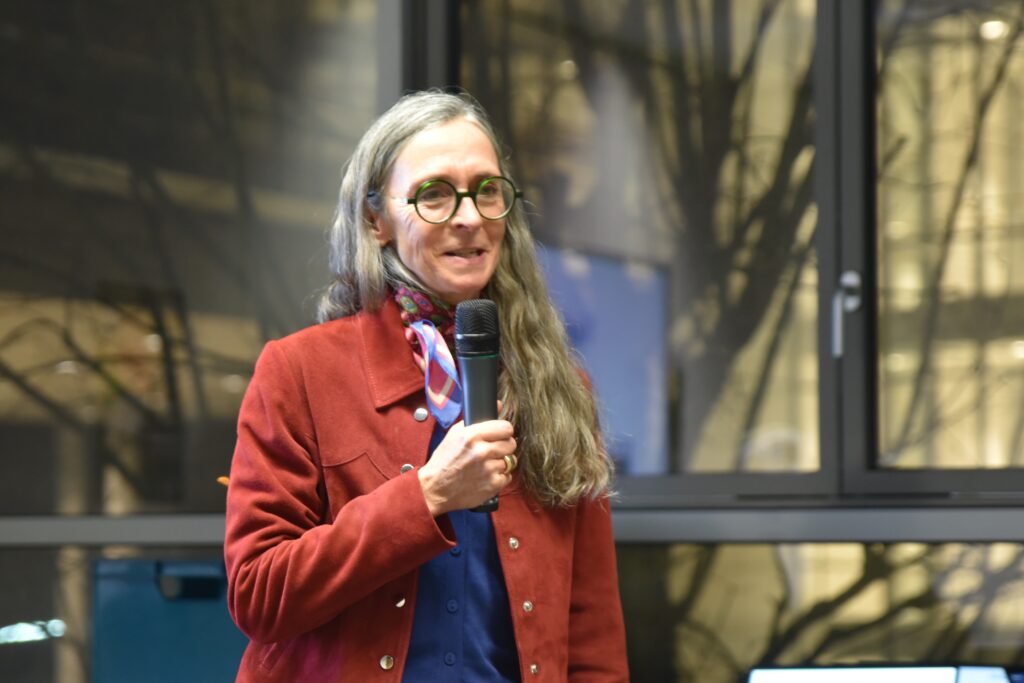
Prof. Dr. Andrea Bréard (Vice President Education)
“Innovative teaching emerges where dedicated people bravely explore new avenues. A number of the projects included in the “Nachmittag der innovativen Lehre” were made possible thanks to the Innovation Fund, that has been providing funding across the faculties since 2016. For me, it is important that teaching staff have the leeway to try out new ideas. The high quality of the submitted projects is a strong indication of how much teaching at FAU is developing year after year. It is crucial that we remain flexible and create learning spaces together based on a foundation of creativity, dialog and excitement about putting ideas into practice. In particular, we have to make the success stories both visible and reproducible. That was one of the main objectives of the ‘Nachmittag der innovativen Lehre’”.
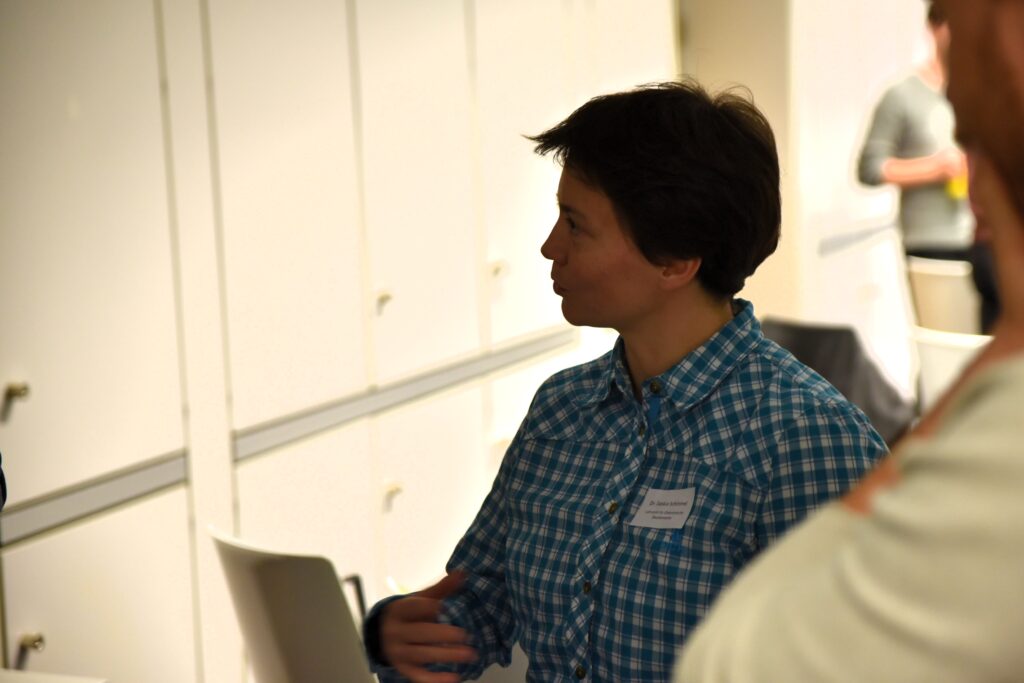
Dr. Saskia Schimmel (Chair of Electron Devices) – project “KI-Funken“ (”AI-sparks“)
“The aim of our AI sparks project is to enable students to view AI not as a threat but instead to learn to use it in a reflective and productive way. Our learning lab links subject-related content from semiconductor technology with interactive forms that introduce students to various AI methods one step at a time. Prior subject knowledge can be used to recognize stumbling blocks when using AI. At the same time, it allows students to approach the lecture material in a different way, reducing their reluctance to gain basic programming skills. For us, it is important to give guidance and raise awareness of possible errors. Innovative teaching must be clearly structured, evolve dynamically and accompany students on their learning journey.”
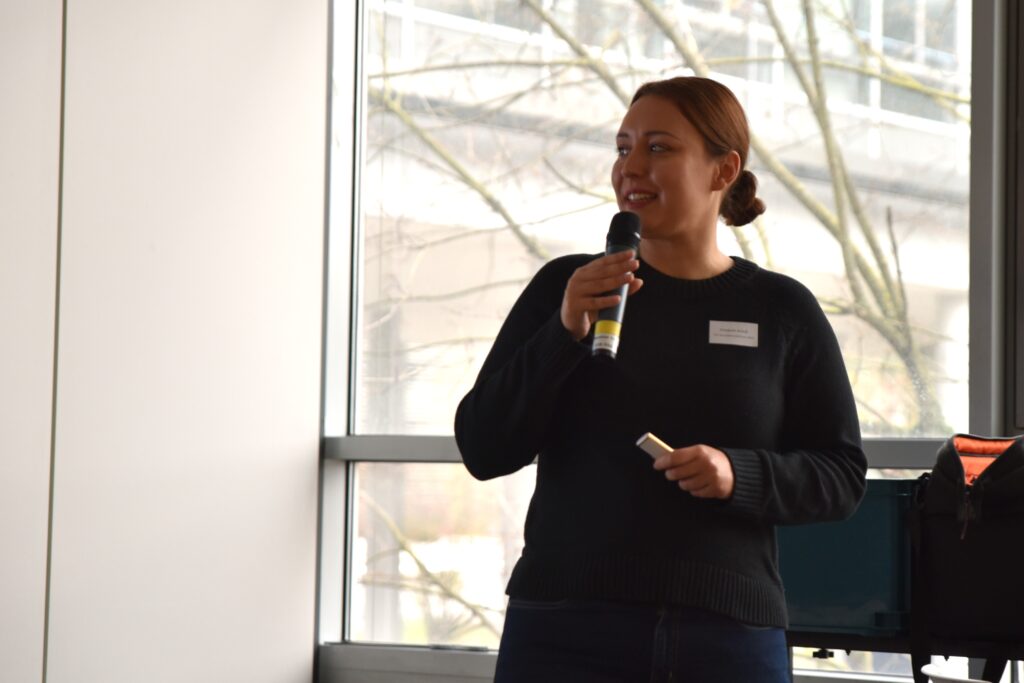
Elisabeth Krauß (FAU Competence Center Teaching)
“By collecting examples of good practices in the FAU Competence Center Teaching, we hope to raise the visibility of experiences gathered in the field of teaching and to make them available as a blueprint for other teaching staff. More than 80 scenarios from all subject areas are part of a growing archive of digital and innovative concepts. In addition, our video library of projects offers a personal touch and gives an authentic impression of how teaching can be. Our aim is to document developments over the years and give teaching staff a platform for sharing their expertise. It may also be a source of inspiration for new formats.”
Dr. Max Tretter (Chair of Systematic Theology II) – project “Fake Competencies”
“Deepfakes have been part of our everyday lives for some time now – and they challenge the way we deal with media. Students who are aiming to work later in schools, the media or the church need the skills to be able to recognize, categorize and understand the risks posed by such deepfakes. That is where our Fake Competencies seminar comes into play: We teach technical fundamental knowledge on the topic, experiment with generative AI tools ourselves and discuss the consequences of deepfakes for society. Students develop a critical awareness and pass their knowledge on by designing an exhibition of their own. For me, the project demonstrates how teaching tailored to real life scenarios can give guidance and strengthen analytical skills.”
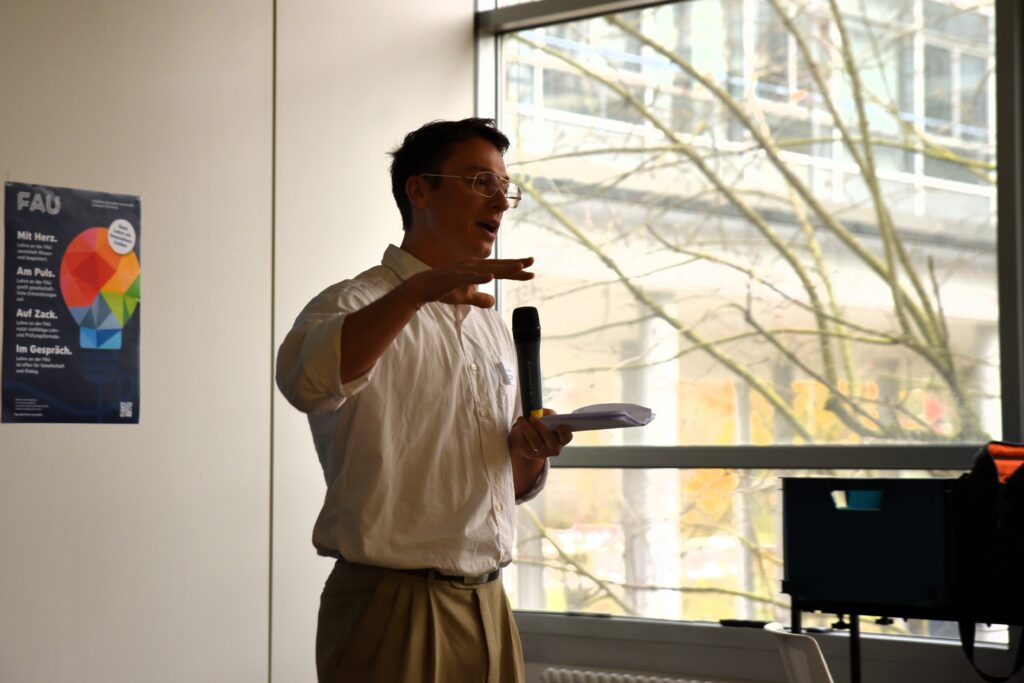

Madlen Geidel (Chair of Media Communication, Media Ethics and Digital Theology) – project “XXR Ethics”
“Virtual reality goggles open up amazing opportunities, for instance for journalism. At the same time, these experiences give rise to major ethical questions. In our seminar, we not only wanted to talk about immersive media, we wanted the students to experience it at first hand. Students had the opportunity to try out a number of applications themselves, before reflecting on their experiences and entering into critical discussions of topics such as appropriation and racism, empathy or the violation of boundaries in connection with first-person experiences and using VR for storytelling in journalism. We also presented the results at the Long Night of Sciences 2025. Here, students had the opportunity to share their findings with various different target groups.”
Tina Wölfl (Chair of Information Systems (Digitalization in Business and Society)) – project “Digital Uni-Rally WiSo”
“When starting out at university, students are often inundated with information. The digital uni-rally is designed to give them a structured introduction to university life and encourage them to become more independent. With interactive tasks, AI avatars and a clear learning sequence, we accompany new students via StudOn during the first few weeks in the semester, going from enrollment until their courses start. The feedback shows that a lot of them feel considerably more confident when it comes to organizing their studies, during the first weeks at university, when giving a presentation, or working with sources. The main thing we have learned from our rallies is that digital elements help students become more rather than less independent.”
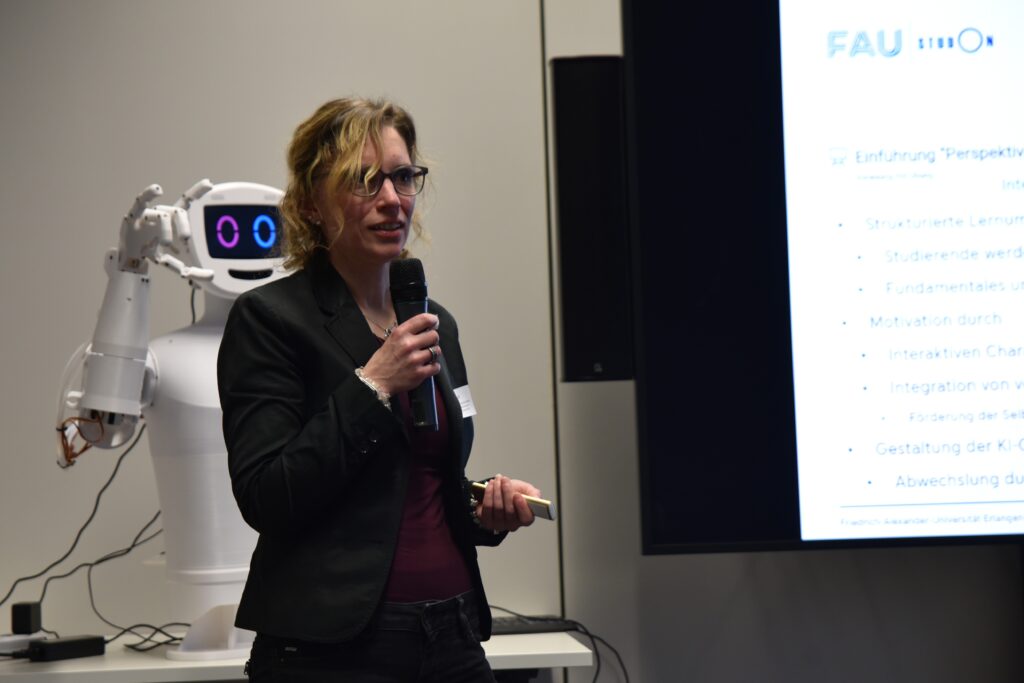
Dr. Philipp Spitzer (Chair of Psychiatry and Psychotherapy) – project “Peer Support Erlangen”
“Many students, and medical students in particular, are under considerable stress, with some of them displaying symptoms of depression and experiencing difficulties in accessing the services they may need. In our project, we have seen to what extent social integration and intrinsic motivation encourage wellbeing. This is the premise behind “Peer Support Erlangen”. We train students to be able to provide their fellow students with easily accessible support in situations when they are experiencing mental strain. The positive feedback we have received indicates that there is a need for services like this. For me, innovative teaching goes beyond teaching the curriculum and moving towards creating learning and living spaces that strengthen health and community. We therefore want to extend the project to include non-medical students.”
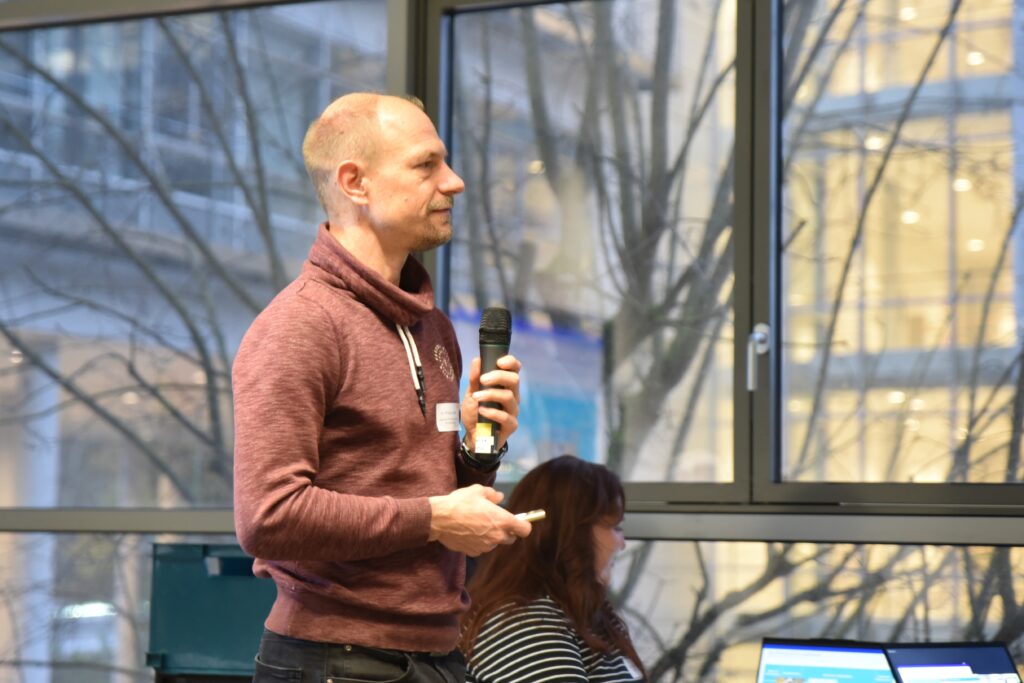
Prof. Dr. Bernhard Egger (Professorship for Cognitive Computer Vision) – Hackathons & scaling teaching
“In our large degree programs we cannot offer all interested students an individual project from our research topics. Working together with peers who teach in subjects connected to computer science, we have developed a new project format based on students reproducing research results: The students work on a project of their choice closely related to the latest research. We tested the format in a hackathon with doctoral candidates. Participants contribute their own ideas, we accompany the process and create an environment where the focus is on working together to solve a problem. While our doctoral candidates learned how to reproduce their own research results more effectively, we learned how to implement the project format with students. Our experience has shown us that teaching is particularly effective when it is collaborative, practical and driven by shared curiosity.”
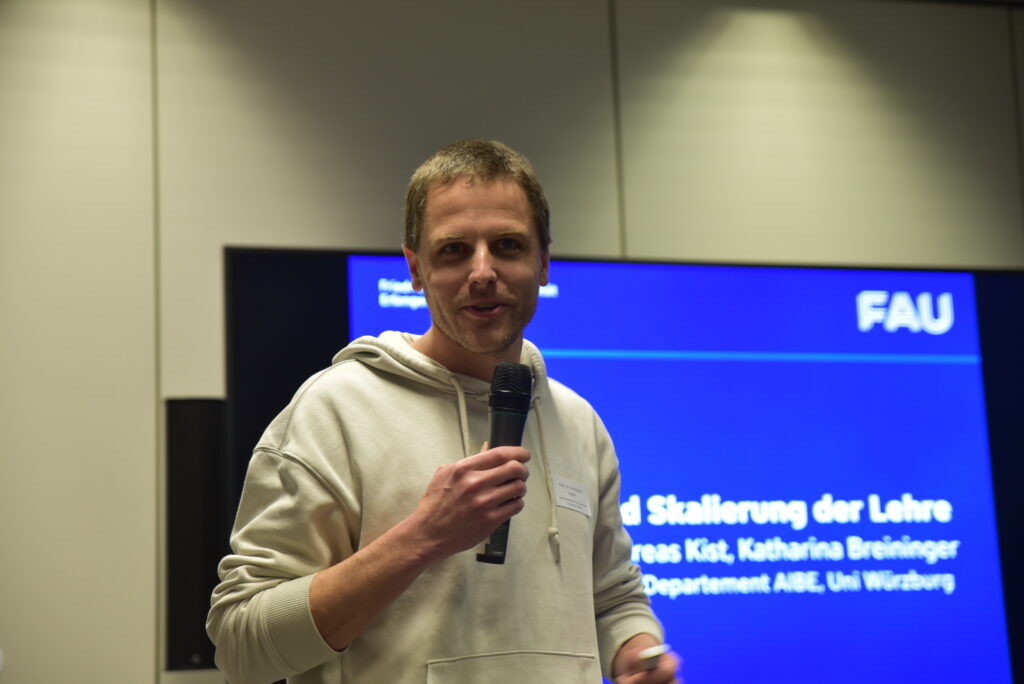
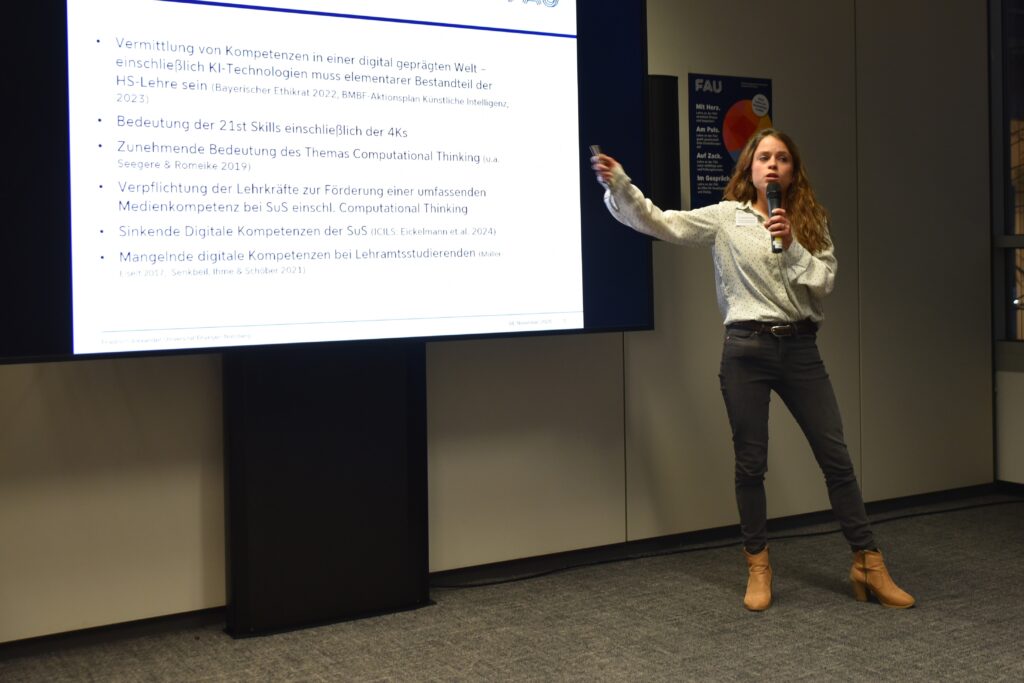
Dr. Melanie Stephan and Karsten Golze (both Chair of Education focusing on Media Education) – project pib@fau“
“With pib@fau we would like to encourage students studying for a teaching degree to embrace technologies of the future. Their knowledge should go beyond mere understanding and promote a more active approach. Especially in a world shaped by digitalization, prospective teachers need skills in dealing with media and computational thinking. These are areas where there is a lot of uncertainty. In the project-based seminar, students worked together to build a robot, printed components, programmed initial movements and documented their experiences. By working together, discussing their ideas and approaches and learning to keep their frustration in check, they gained a better technical understanding and reflected on the task from a pedagogical point of view. For us, the project showed how hands-on, creative formats spark curiosity and open up new options for teaching.”
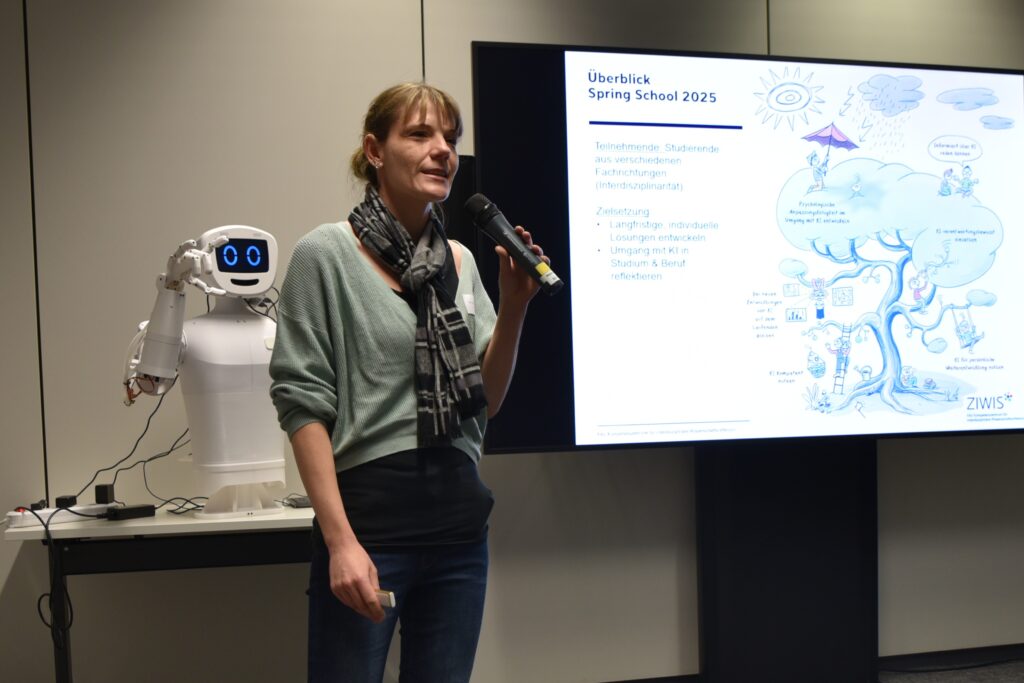
Dr. Katrin Götz-Votteler and Dr. Anna Schneider (both from Competence Center for Applied Philosophy of Science and Key Qualifications (FAU ZIWIS)) – Spring School “Future Skills”
“Our ‘Spring School’ aims to offer students from various subject areas the opportunity to improve key skills that have become indispensable in these dynamic times, for instance AI skills, reflection skills, resilience and a sense of responsibility. Its format of an online module followed by a block seminar, coaching session and the final phase offers scope for students to explore the topics independently and participate in interdisciplinary exchange. The last Spring School focused on AI. Taking a flexible approach to formats is important for us to be able to react to new topics. This leads to sustainable skill development that is especially effective in context-specific situations.”
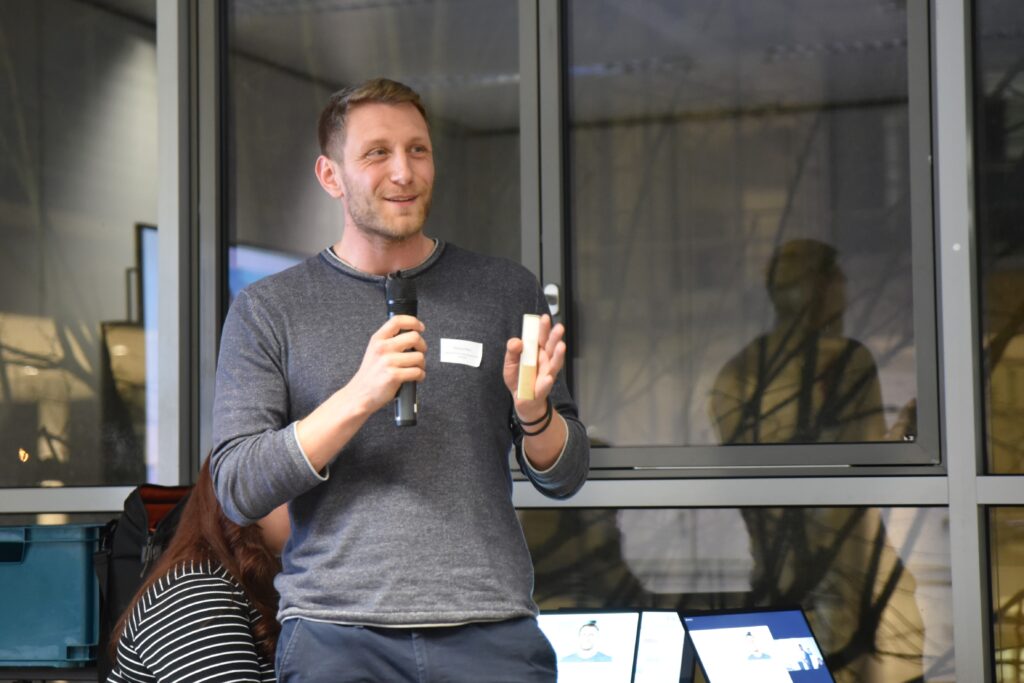
Eduard Neu (Chair of Medicinal Chemistry) – project “Computer know-how for molecular dynamic simulations of drug-protein complexes.
“My aim was to teach pharmacy students basic computing skills in a short period of time and to introduce them to molecular dynamic simulations. This compulsory elective laboratory course in computational chemistry is integrated into the working group led by Prof. Dr. Peter Gmeiner, with the students conducting research into G-protein coupled receptors (GPCRs). It is estimated that 30 to 40 percent of all approved drugs work via GPCRs. Thanks to the infrastructure of the Erlangen National High Performance Computing Center (NHR@FAU), students were able to work for the first time with Linux, conduct simulations and analyze data using prepared Python environments. Many of them had no previous experience, but soon became more confident and experienced a sense of positive self-efficacy. For me, the project has shown that offering an easily accessible introduction and good technical support can overcome students’ reluctance to deal with information technology.”
(All images: FAU/Sebastian Schroth)
Innovation Fund for Teaching
The Innovation Fund for Teaching is a funding instrument aimed at supporting special measures and innovative activities relating to teaching and studying that was established at FAU in 2016. Anyone who teaches at FAU can apply for the Innovation Fund. In 2025, there will be separate calls for applications for the faculties and for the central institutions for funds allocated towards teaching.
If you have any questions about the Innovation Fund, please first send an email to zuv-foerderprogramme-lehre@fau.de.
Further information on applications is available at:
More information:
Franziska Kreuzer
L1 – Legal Affairs and Academic Quality Management
franziska.k.kreuzer@fau.de