
With over 270 degree programs, FAU is among the 15 largest and leading universities for research in Germany. Over 6,000 employees and more than 39,000 students promote a culture of innovation, diversity and passion.
Get to know our newly-appointed professors who are driving forward research with their fresh ideas and creative approaches. Find out more about the people behind our research projects and their career paths, visions, and motivation for a successful academic future.
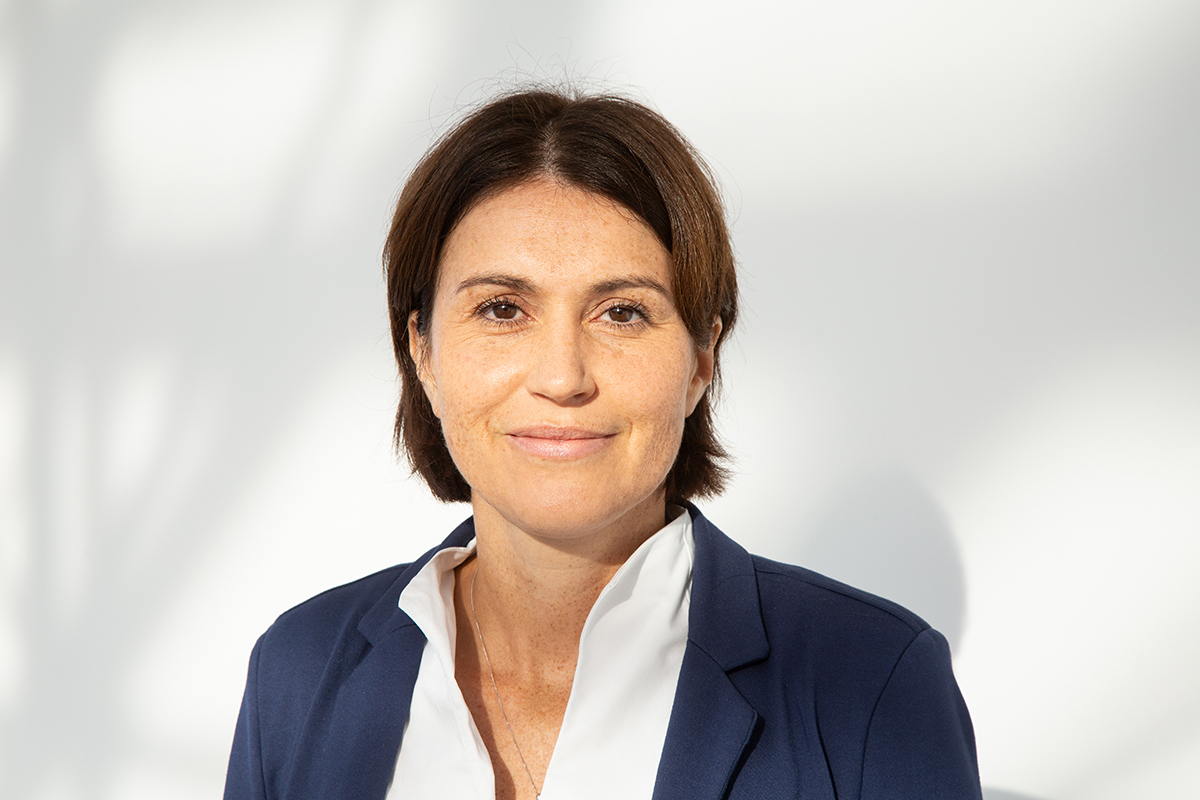
Prof. Dr. Sarah Kittel-Schneider – Professorship for Psychiatry and Psychotherapy
As a child, she treated her cuddly toys with IV therapy; today, she is a professor of psychiatry and psychotherapy – Sarah Kittel-Schneider introduces herself.
What is your main area of research?
Diagnosis, prevention, and treatment of mental illness and their somatic comorbidities at different stages of life, with a focus on ADHD and mood disorders (depression, bipolar disorder). I am particularly interested in vulnerable stages, such as adolescence/young adulthood, the peripartum period, and perimenopause. Methodologically, both psychological and biological procedures and measurement methods are used during these stages. In terms of interventions, I am particularly interested in approaches that target the microbiota-gut-brain axis. Another area of my research involves modeling illnesses using patient-derived human pluripotent stem cells and developing drug-screening tools from them.
Why did you choose this topic?
My research and clinical vision is to identify individuals at risk at an early stage so that, through prevention or early intervention, we can improve the prognosis of mental illness and reduce the development of comorbidities. Since the development of innovative therapies – particularly drug therapies – has tended to stagnate in recent years, I see great potential in patient-derived cell models as a tool for the more precise and successful development of new drugs for specific subgroups of patients.
Where were you before coming to FAU?
Most recently, I was the holder of the Chair of Psychiatry at University College Cork in Ireland and a consultant in general adult psychiatry at the Mental Health Service in South Lee, Cork.
Where did you study and what subjects?
I studied medicine at the University of Würzburg, and completed the clinical rotation of my final year at the Department of Surgery at King Edward VIII Hospital and at the University of KwaZulu-Natal in Durban, South Africa.
Which events and activities would you like to take part in in Erlangen and the surroundings?
I wouldn’t want to miss out on the Bergkirchweih and the “Lichtmess” market, and I’m also looking forward to visiting Christmas markets regularly again, since they don’t have them in Ireland. Otherwise, I’ll be at the DTM race at the Norisring in Nuremberg, and depending on the lineup, I might also be at Rock im Park. I’m also looking forward to hiking in Franconian Switzerland.
What is your most useful tool as a professor?
My Outlook calendar, which is my external brain.
What did you want to be when you were growing up?
I wanted to be a doctor ever since I was in kindergarten, and I used to treat my cuddly toys with IV therapy. My father, who was a junior physician at the time, brought me the necessary supplies.
Do you have a role model? If so, did they influence your academic or professional career?
I don’t have a role model in my professional life, but I have many strong women in my family who have been, or still are, role models to me, especially my late mother and grandmother. Both have influenced me never to give up even in difficult situations, to always think critically, and to follow my own path, even if it doesn’t always conform to traditional ideas.
Have you got any hidden talents?
Not necessarily a talent, but a special hobby: Technical diving and cave diving.
Is there something you’ve always wanted to do?
As a teenager, I really wanted to go bungee jumping and skydiving, but I’ve since changed my mind. However, I would really love to go on a dive to the wreck of the SS Rosalie Moller, the Thistlegorm’s “sister ship,” in the Red Sea.