
Why many elderly people are often malnourished and what can help
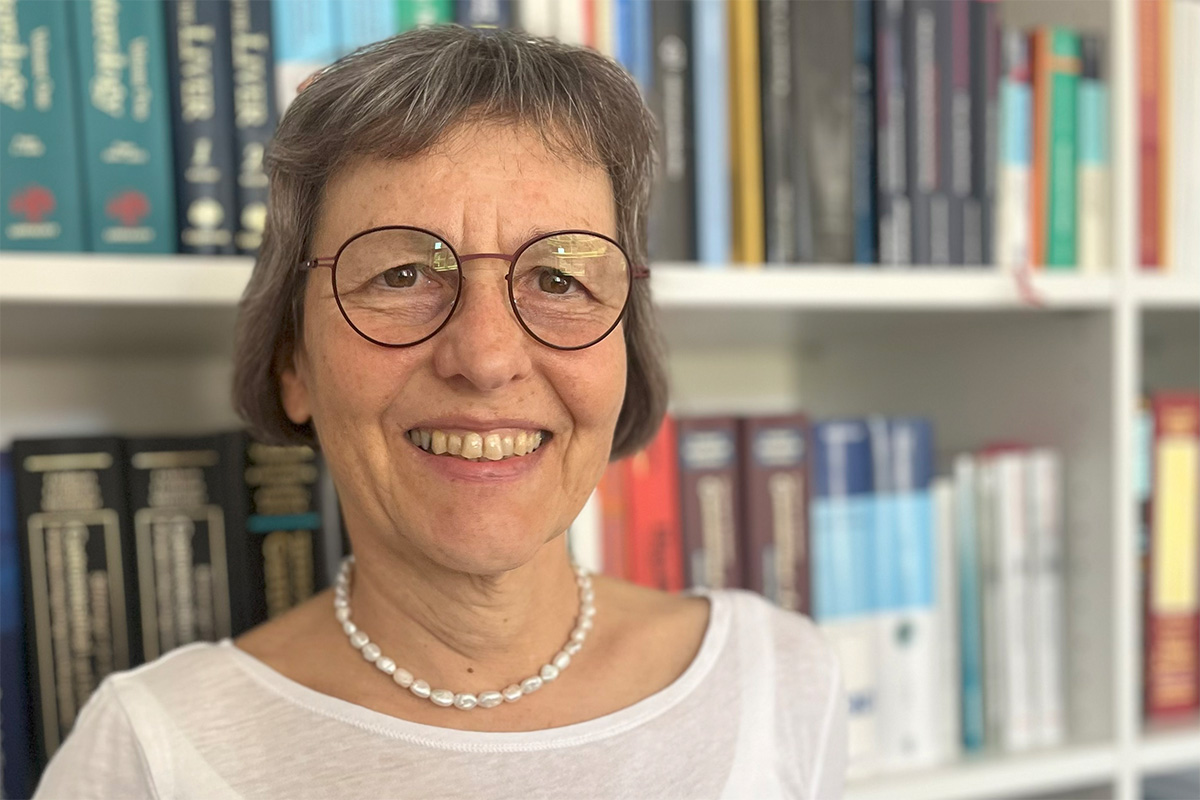
Many elderly people do not eat enough or fail to have a balanced diet, with serious consequences for their health. Prof. Dr. Dorothee Volkert from the Institute of Biomedicine of Aging at the Chair of Internal Medicine (Geriatrics) at Friedrich-Alexander-Universität Erlangen-Nürnberg (FAU) explains the relevance of malnutrition for the elderly, how to recognize the signs and what can be done to help.
Prof. Volkert, why is malnutrition such a major problem among the elderly?
Elderly people are particularly susceptible to malnutrition. Many changes and conditions that go hand in hand with aging make it harder for them to eat an adequate diet. At the same time, the proportion of very elderly people – roughly over the age of 80 – in society is continuing to rise, meaning that more and more people are affected. The consequences are serious: malnourished people have a higher risk of infection, poor chances of recovery, longer hospital stays and a reduced quality of life altogether. This leads to a major increase in costs for the health system.
Why do many elderly people not eat enough or fail to eat a balanced diet?
There are a number of different reasons. There is rarely one specific cause, and usually a number of different contributing factors. As people get older, they have less of an appetite and feel less thirsty. Many people have difficulties chewing or swallowing. At the same time, mobility restrictions, certain medicines, mental health issues such as loneliness or depression and social or cognitive problems may all play a role. Over all, more than one hundred influencing factors are under discussion – covering physical, mental, social, cognitive and medical issues. This complexity is what makes diagnosis and treatment so challenging.
If there are so many possible causes, is it even possible to diagnose malnutrition?
There are clear criteria for diagnosing malnutrition. These include unintentional weight loss, low body weight or reduced muscle mass in connection with low food consumption or increased nutritional requirements through illness or stress. In practice, doctors use short standard questionnaires, known as screening tools, to ask about these aspects. This assessment should ideally be incorporated into routine care for elderly patients.
What can relatives of elderly people do if they suspect malnutrition?
If relatives notice unintentional weight loss, a loss of appetite or a fridge that looks rather empty, it is important to take a closer look at possible causes. It is up to the family doctor to check whether there are any possible medical causes. If the elderly person is not eating enough or not eating a balanced diet with fresh produce or without one warm meal per day, it is important to organize help with shopping and cooking or organize a meal delivery service.
What happens after diagnosis – how is malnutrition treated?
First of all, it is important to pinpoint the underlying cause: we have developed a model that systematically orders the most important influencing factors, helping to determine the root cause. Are there functional limitations? Is there an underlying illness? Mental strain? Depending on the cause, the elderly person may require support for everyday activities, or, for instance, speech therapy in the case of difficulties with swallowing. Nutrition therapy itself covers various measures: a balanced diet of high quality foods, enriched with particularly nutritious ingredients such as nuts, eggs, plant oils or cream. Protein powder, nutrition shakes or, in difficult cases, artificial nutrition may also be useful. It is important that the measures are tailored for each individual and can realistically be integrated into their daily lives.
In your opinion, does malnutrition get the attention it requires in daily medical practice?
Unfortunately not. That is partly due to the fact that nutrition is scarcely touched on during medical training. Many doctors have not been trained to recognize malnutrition or treat it specifically. At the same time, treatment is often prolonged and time-consuming, and that is unfortunately not accounted for sufficiently in our healthcare system.
Prof. Dorothee Volkert and Prof. Alfonso J. Cruz-Jentoft have published a review article on malnutrition in old age in the New England Journal of Medicine.
To the publicationFurther information:
Prof. Dr. Dorothee Volkert
Institute of Biomedicine of Aging
Chair of Internal Medicine (Geriatrics)
Friedrich-Alexander-Universität Erlangen-Nürnberg
Email: dorothee.volkert@fau.de