
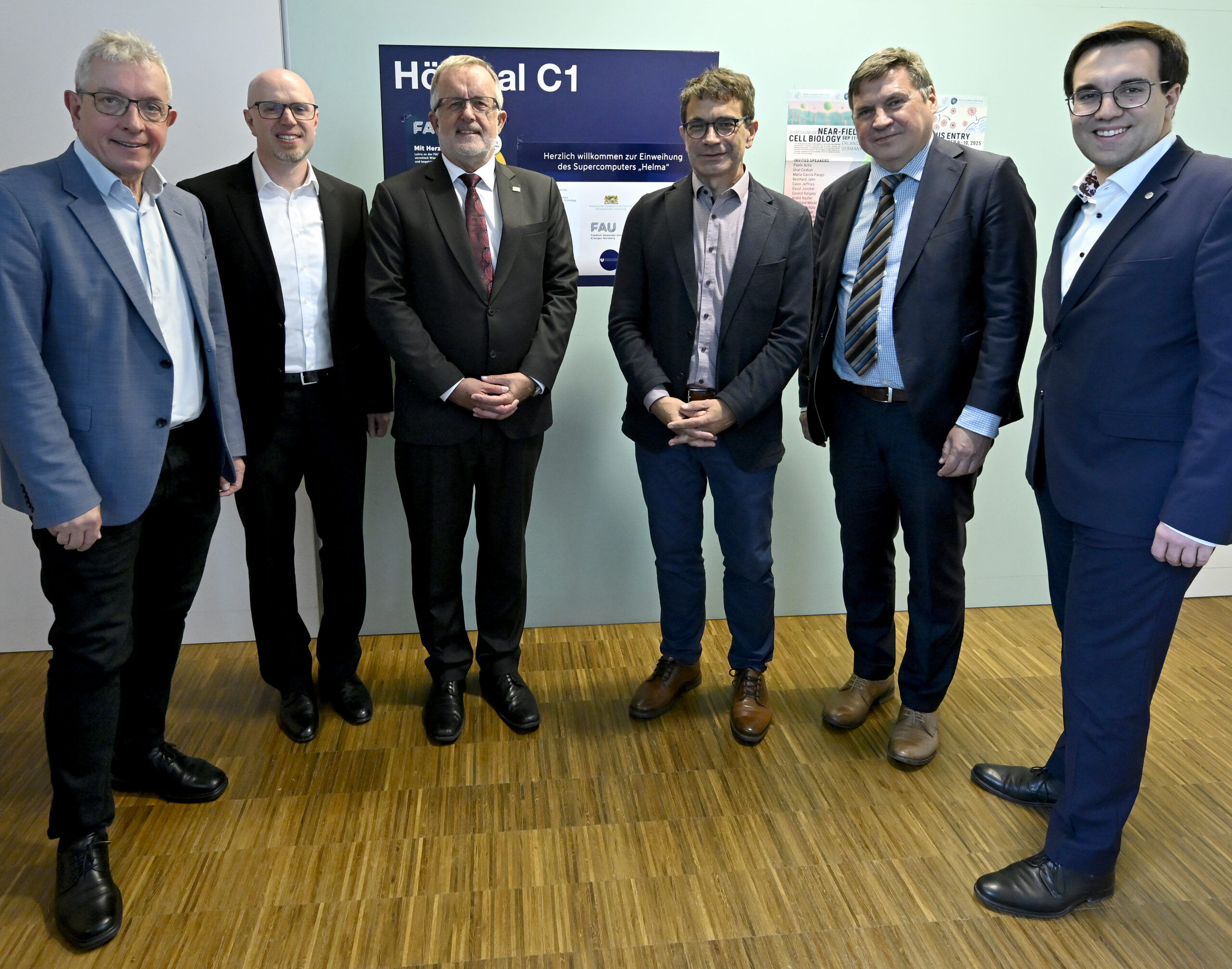
Fastest AI computer at German universities
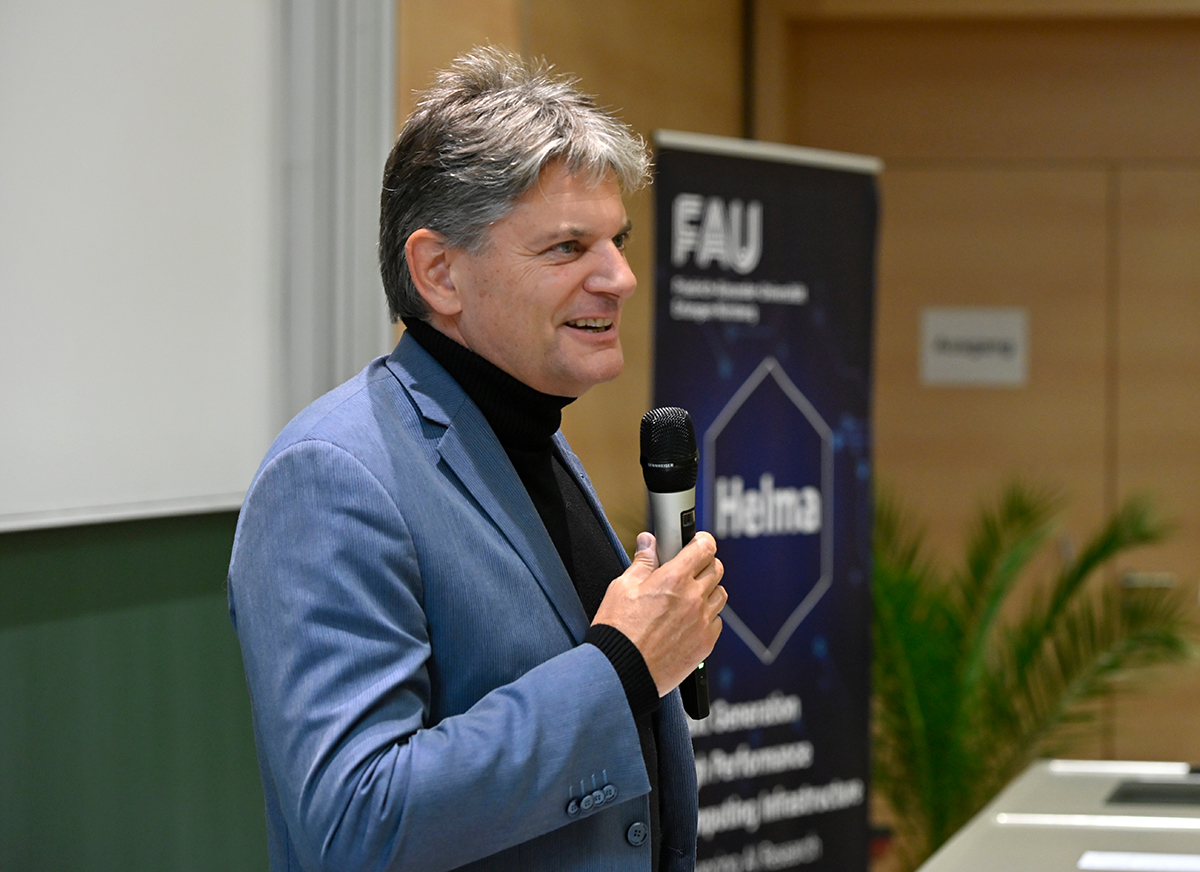
Cutting-edge technology for research: The Erlangen National High-Performance Computing Center at Friedrich-Alexander-Universität Erlangen-Nürnberg (NHR@FAU) has officially inaugurated the currently most powerful supercomputer at universities in Germany. “Helma” is a computer that not only provides state-of-the-art applications but also basic provision of AI for researchers far beyond FAU.
Who can use the supercomputer Helma?
Helma is the culmination of joint efforts by a number of different partners. Researchers from across Germany can use the computer as part of the national high-performance computing program (NHR). At a regional level, the computer covers the basic requirements of the involved research universities (FAU and TU Nürnberg) and universities of applied sciences (HAW Hof and Landshut). In addition, it is also a core component of the Bavarian AI program, BayernKI, and in the development of a Bavarian basic model. Helma provides a total of 200 graphics accelerators, known as GPUs, for BayernKI, supplementing the resources available at the Leibniz Supercomputing Centre of the Bavarian Academy of Sciences and Humanities (LRZ) in Garching. BayernKI, that is currently being established, is available to all scientists at the Free State’s universities through a simple and fast procedure. NHR@FAU and LRZ will continue to coordinate the expansion of this infrastructure and already offer a comprehensive range of support and information services.
What is the AI computer Helma used for at FAU?

The new AI infrastructure is already being used extensively. The Department of Artificial Intelligence in Biomedical Engineering (AIBE) at FAU, for example, is investigating how AI can generate ultrasound images of the heart. These artificially created but realistic imaging data are not subject to any data protection restrictions and can be used to train other AI models or medical professionals. Another project located at the Chair of Pattern Recognition at FAU is developing a language model for German tax law that creates high quality training material using an automated data pipeline. The aim is to make AI-supported analyses of complex areas of law publicly available.
How can researchers use the AI computer?
NHR@FAU does not only offer the required computing power but also a comprehensive service for AI projects: Users receive individual support for choosing the suitable hardware resources, for making amendments to software, for optimizing their programs, managing their data and generally for organizing their workflow. Furthermore, staff at NHR@FAU monitor the ongoing AI courses and simulations and regularly offer workshops and courses for beginners and advanced users.
What is the future of the supercomputers in Erlangen?
The Free State of Bavaria is providing a total of 55 million euros for expanding high performance computing capacities in the area of AI at NHR@FAU and at the Leibniz Supercomputing Center in Garching (LRZ). This funding will be used to expand AI resources for researchers in Bavaria at both locations over the coming years. NHR@FAU is receiving funding from the NHR program as a national center and provides capacity for researchers across the whole of Germany. As the massive expansion of the hightech infrastructure requires a lot of room and a modern environment, plans are in place for the North Bavarian High-Performance Computing Center to become established at FAU Campus Erlangen South, offering NHR@FAU a new energy-efficient and sustainable home. The Free State of Bavaria is providing up to 270 million euros in funding for the construction project.
Directly to NHR@FAU More about BayernKI
 1/12
1/12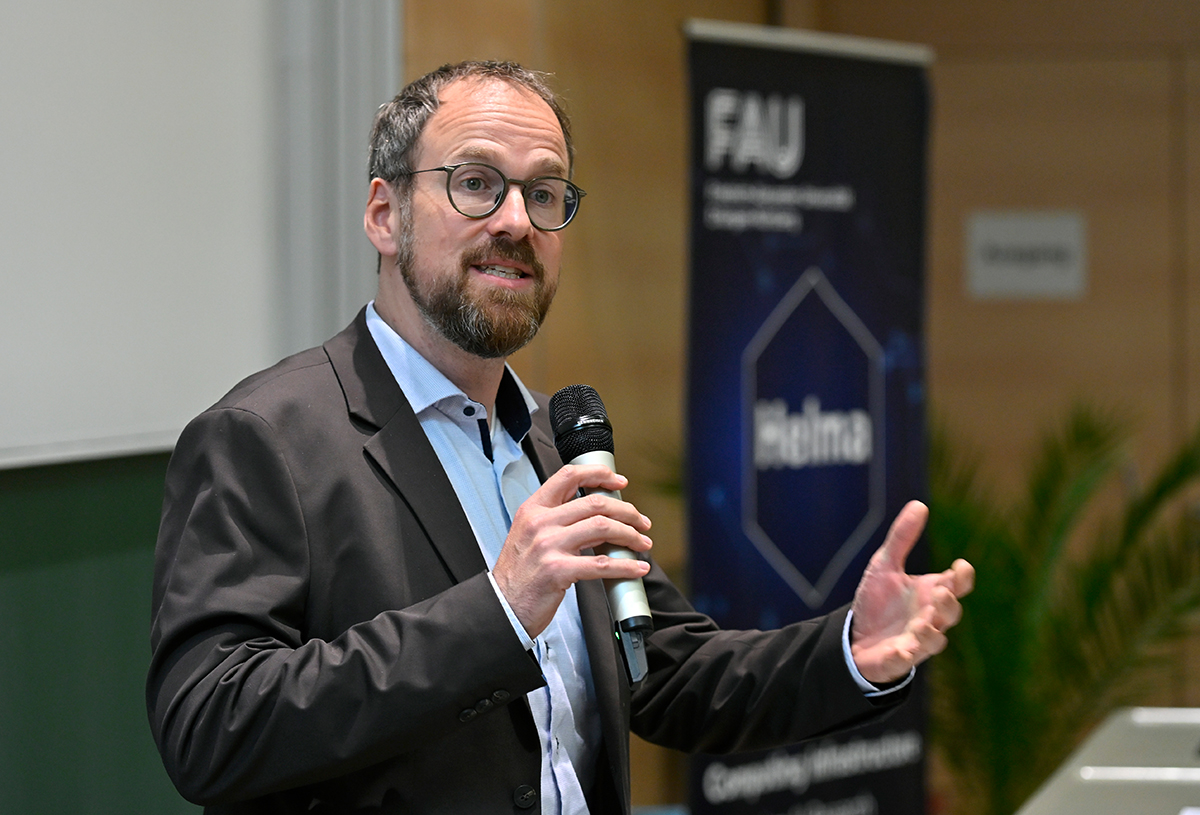 2/12
2/12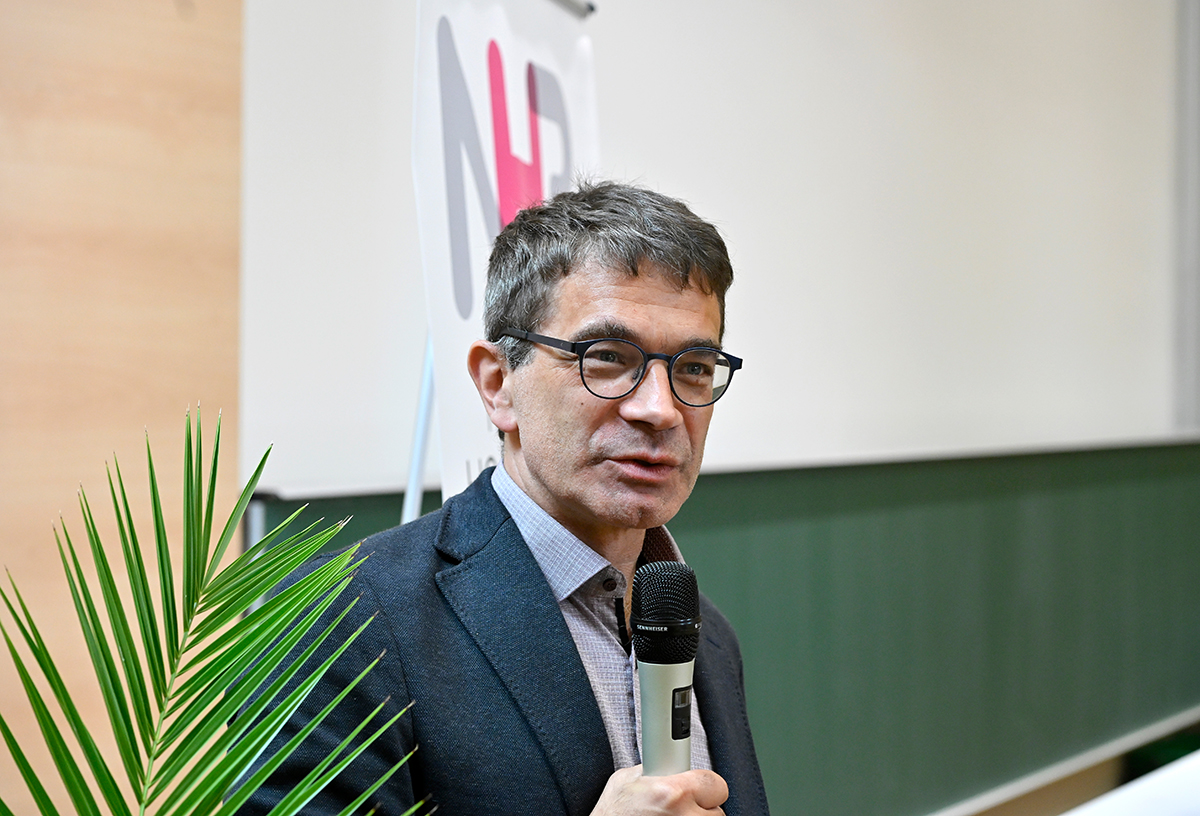 3/12
3/12 4/12
4/12 5/12
5/12 6/12
6/12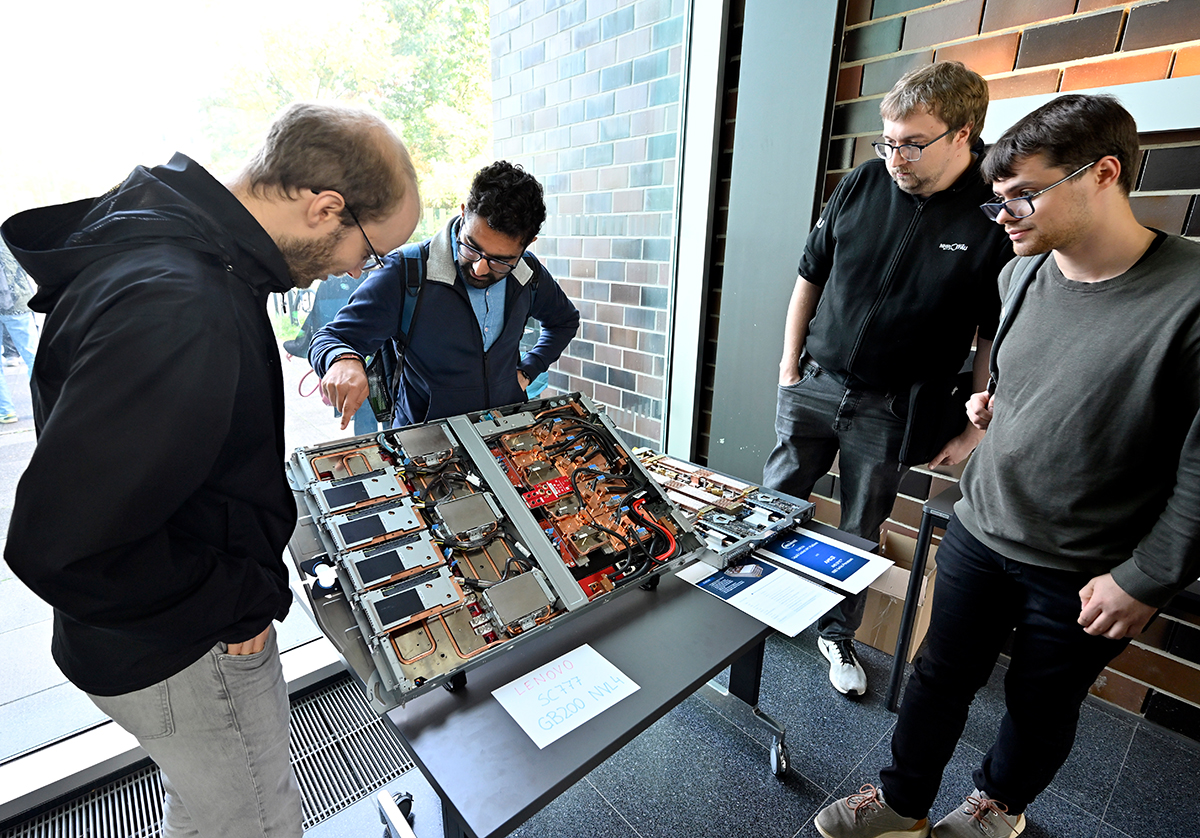 7/12
7/12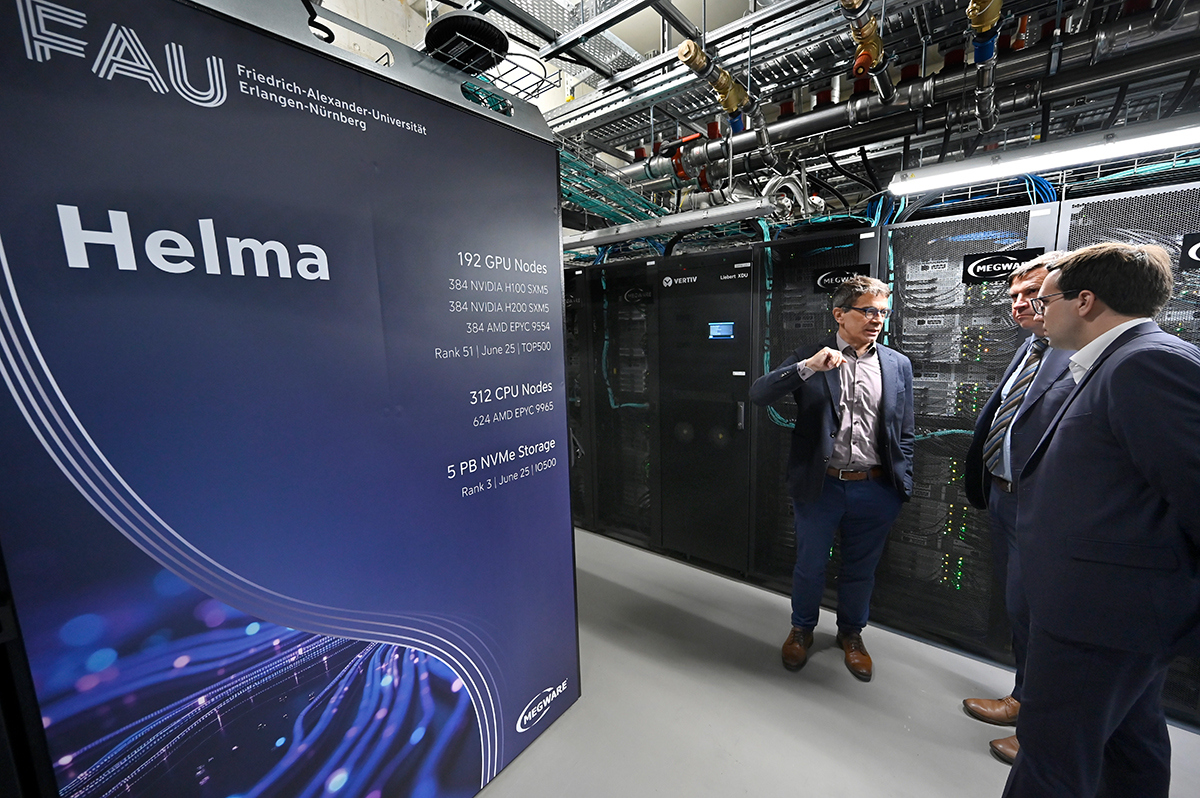 8/12
8/12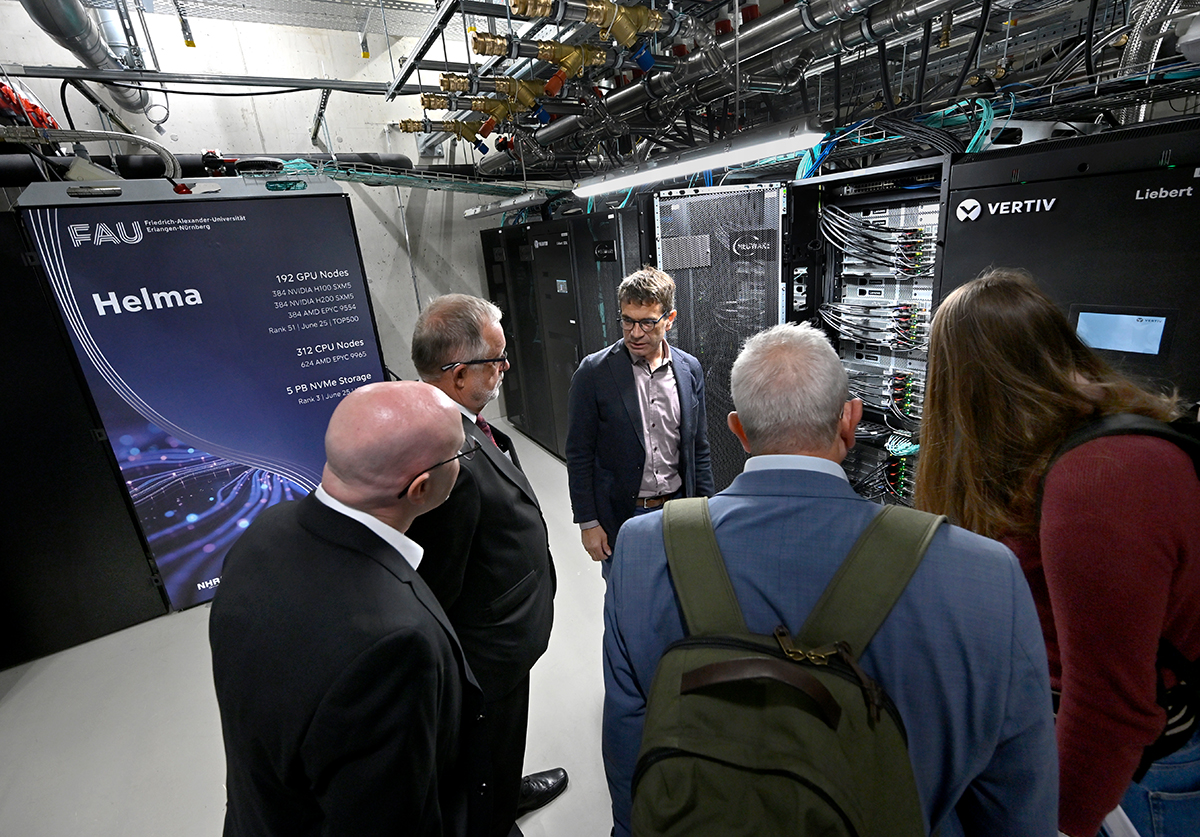 9/12
9/12 10/12
10/12 11/12
11/12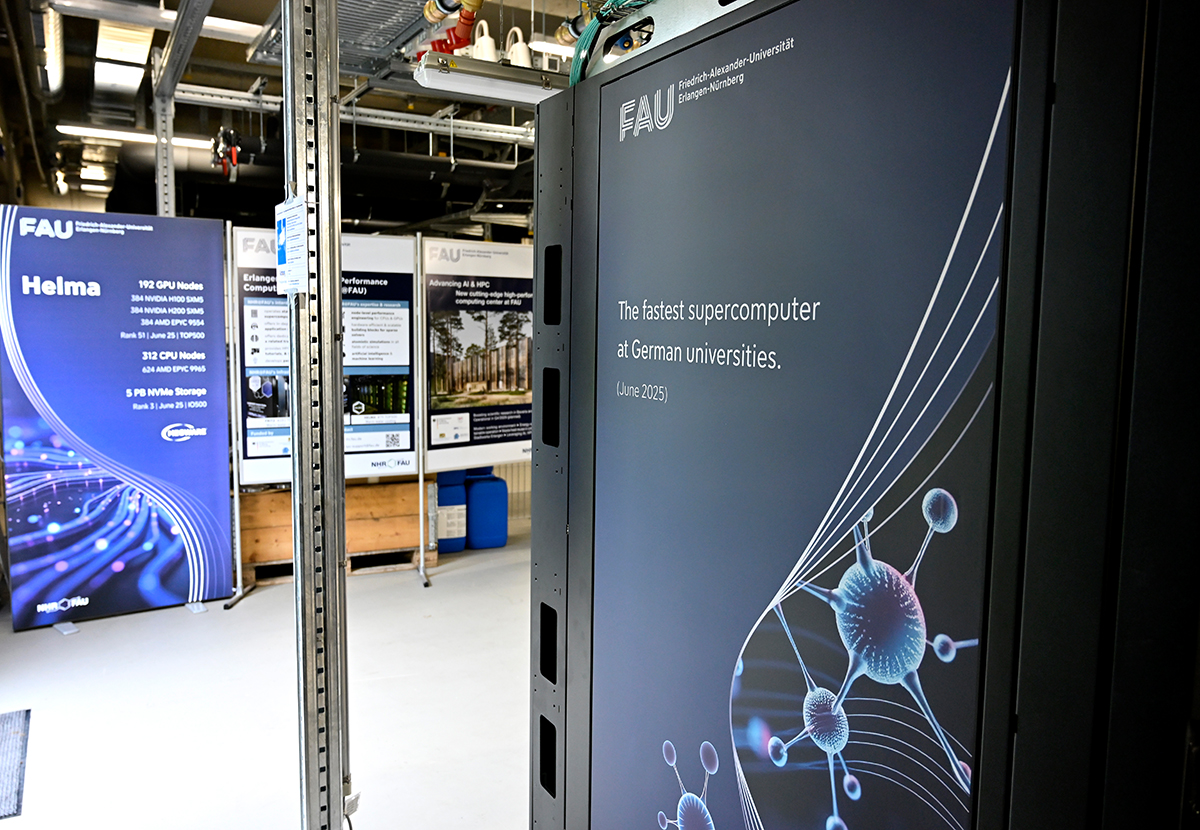 12/12
12/12Further information:
Prof. Dr. Gerhard Wellein
NHR@FAU
Phone: +49 9131 85 28136
gerhard.wellein@fau.de
