
A new FAU Roman boat is launched on the Altmühlsee lake and the Danuvia alacris returns from the Danube for repairs
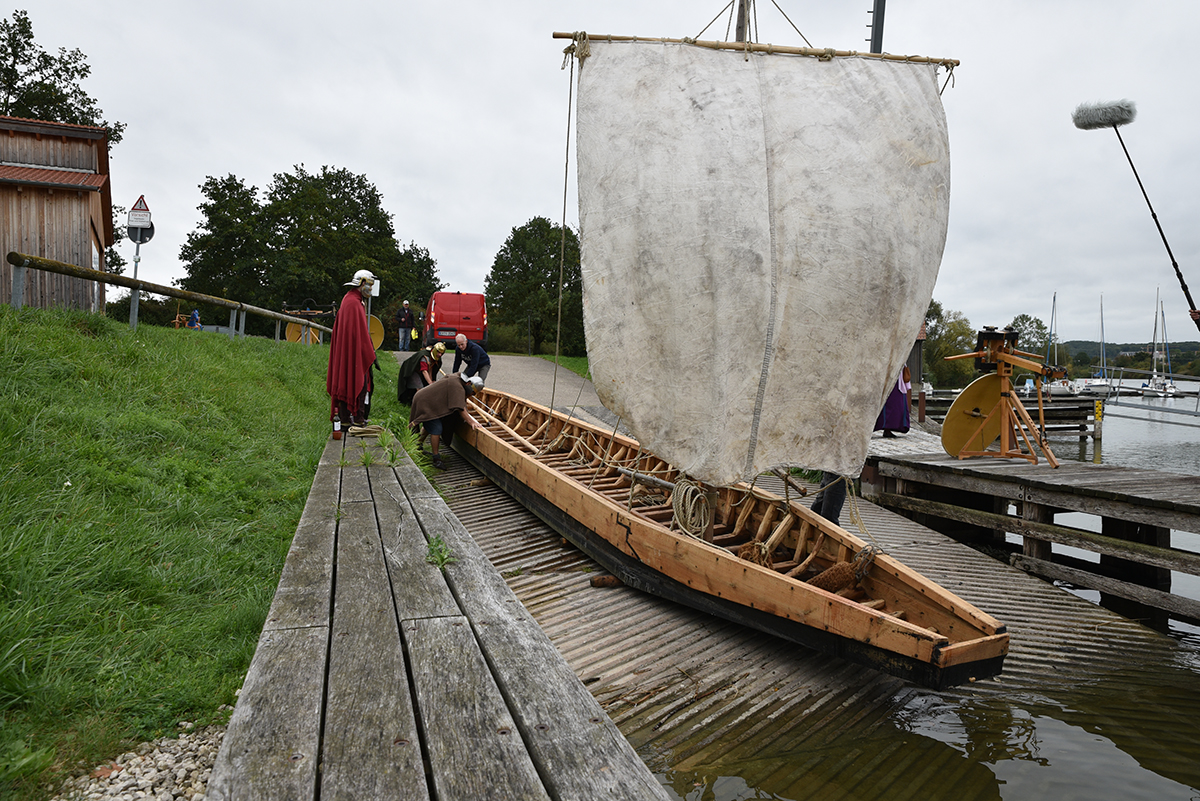
After spending three years traveling on the Danube, the Danuvia alacris, which is Friedrich-Alexander-Universität Erlangen-Nürnberg’s second Roman vessel, has now returned for a seven month stay at the boatyard in Schlungenhof at Altmühlsee lake for a complete overhaul. However, the return of the Danuvina alacris is not the only cause for celebration at Schlungenhof on this day: The latest addition to FAU’s Roman fleet, the Alchmona rediviva (Latin for “revived Altmühl”), is being launched on the lake.
A stop off on its travels on the Danube
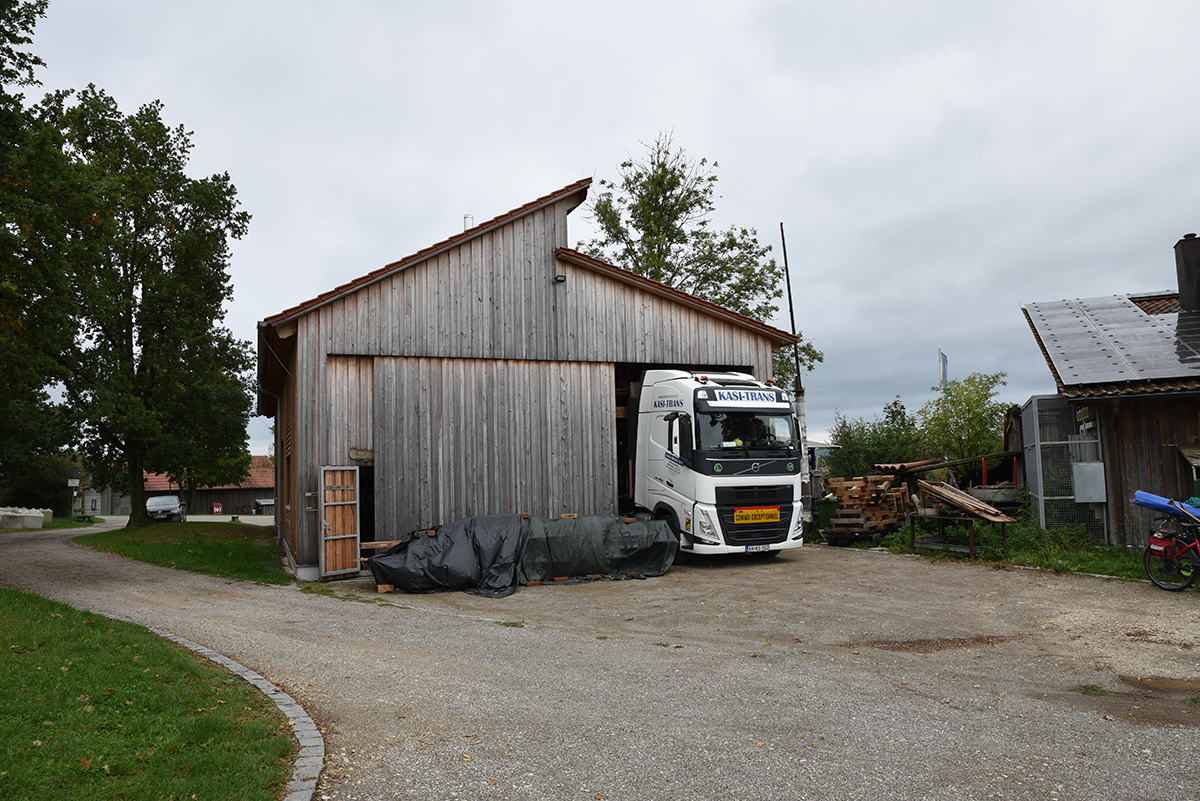
After three years away from home, the boat has returned. And its hard work on the Danube has clearly left its mark: The hull is covered with algae, some of the oars and the railings are damaged and the paintwork is looking worse for wear. “It’s time for an overhaul for the Danuvia alacris”, says Boris Dreyer. The professor of ancient history built the Roman boat with his team of students and volunteers from the region according to an archaeological find from the 4th century CE as part of the EU Interreg program “Living Danube Limes”. After traveling in summer 2022 down the Danube to Romania, the Danuvia alacris was used for trips along the Danube and surrounding lakes in Tulln, Austria, Brno in the Czech Republic and in Bratislava, Slovakia, where it even had a postmark dedicated to it. Its last stop was in Baja, Hungary, where it was lifted out of the water on September 22 and loaded onto a trailer the following day to be transported back to Schlungenhof.

There’s quite a lot to do before the Danuvina alacris can return to the Danube in April 2026. “We need to remove the algae from the hull, caulk it again, which involves inserting hemp into the gaps between the planks and applying tar over them,” explains Boris Dreyer.“We also need to repair the railings and some of the oars and redo the encaustic paintwork with wax paint as well as sand the entire inside of the boat and apply a layer of linseed oil.” Helping him, as was so often the case during the last few years, is a team of FAU students, volunteers from the region and staff from his professorship. After work is complete, the Roman boat will remain on site for filming and be used to test sails and rudders before returning to the Danube. First of all, it will be taken to Osijek in Croatia, before continuing to Serbia and finally Bulgaria. This is where its journey will end, and after five years, the Danuvia alacris will return to the Altmühlsee lake for good at the end of 2027.
Launch of the latest Roman vessel
On the same day, Dreyer and his team launched the Alchmona rediviva, which took him and his team twelve months to complete, with a few interruptions. “This is an important step,” explains Boris Dreyer. “When the hull fills with water, the wooden planks expand and close the final gaps between the planks for good.” Dreyer and his team are quite experienced with this method after carrying it out with the Danuvia alacris and the Fridericiana Alexandrina Navis (F.A.N.). However, the Alchmona rediviva is a completely different vessel to its two predecessors. Whereas the first two replicas are Roman patrol boats which were used for securing borders, flat-bottomed boats like the Alchmona rediviva were used to transport goods and supplies. This is evident from the construction: A flat hull without a noticeable keel and quite low side walls measuring 54 centimeters, while the bow and stern look more like ramps.
Dreyer and his team built the flat-bottomed boat from oak according to plans from an archaeological find in Zwammerdam on the Lower Rhine in the Netherlands at 1:2 scale.

The original, the Zwammerdam II measures 22.7 meters and is too big for our boatyard”, says Prof. Dreyer, “which is why we built it to a smaller scale. However, this is not a problem because this type of vessel was built in all different sizes.” Vessels such as the Alchmona rediviva were better suited to supplying the roughly 1000 legionnaires stationed in the Altmühl region and for transporting and distributing tons of grain and other supplies than carts on roads. “Our FAU replica can transport a load of around seven tons, despite its small size,” emphasizes Prof. Dreyer. Since rivers in ancient times meandered more than today and their banks were much more overgrown, boats had to be sailed or punted if they could not be pulled along the river from the shore. “This is the reason why the these vessels couldn’t have too much draft or be too long,” explains Dreyer. “An initial test launch showed that the Alchmona rediviva has a draft of only 10 to 15 centimeters. And at 11 meters long, it would have been perfect for transporting goods on the calm Altmühl, which is now meandering again after renaturalization.” Dreyer and his team would now like to investigate in more detail how vessels such as this one actually perform in the water.
 1/19
1/19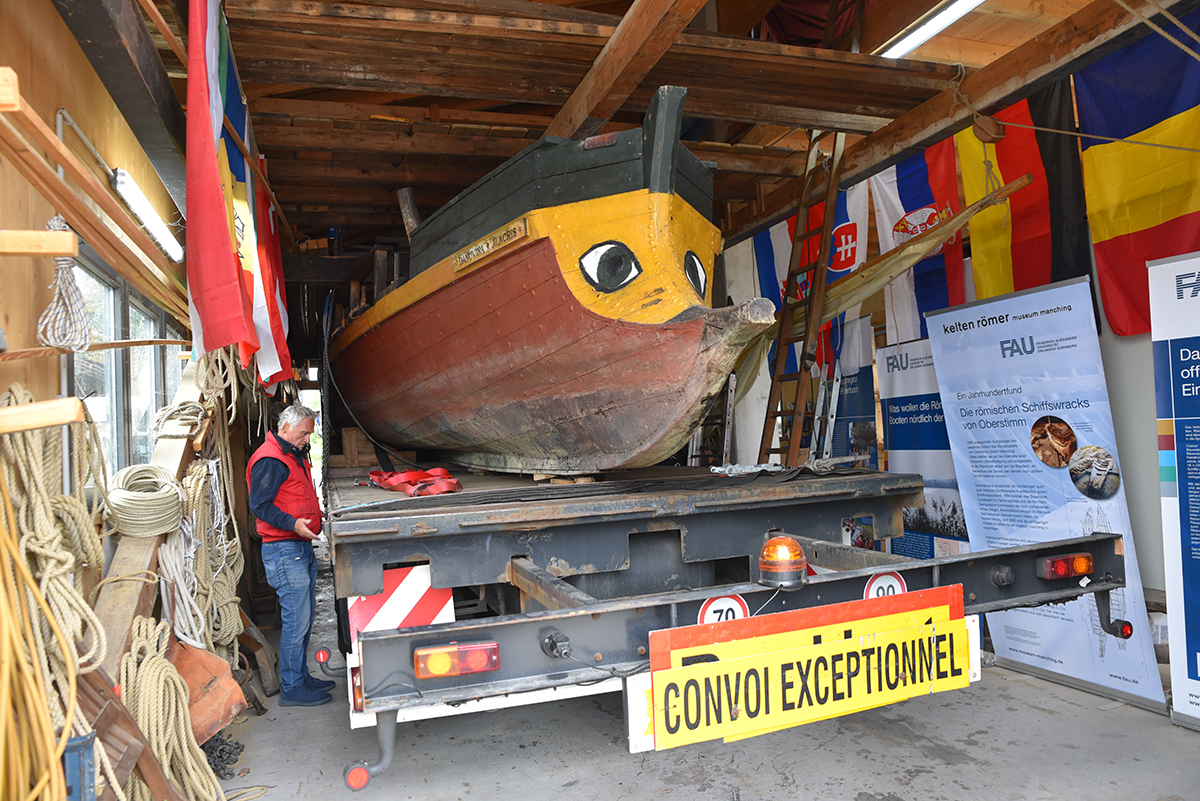 2/19
2/19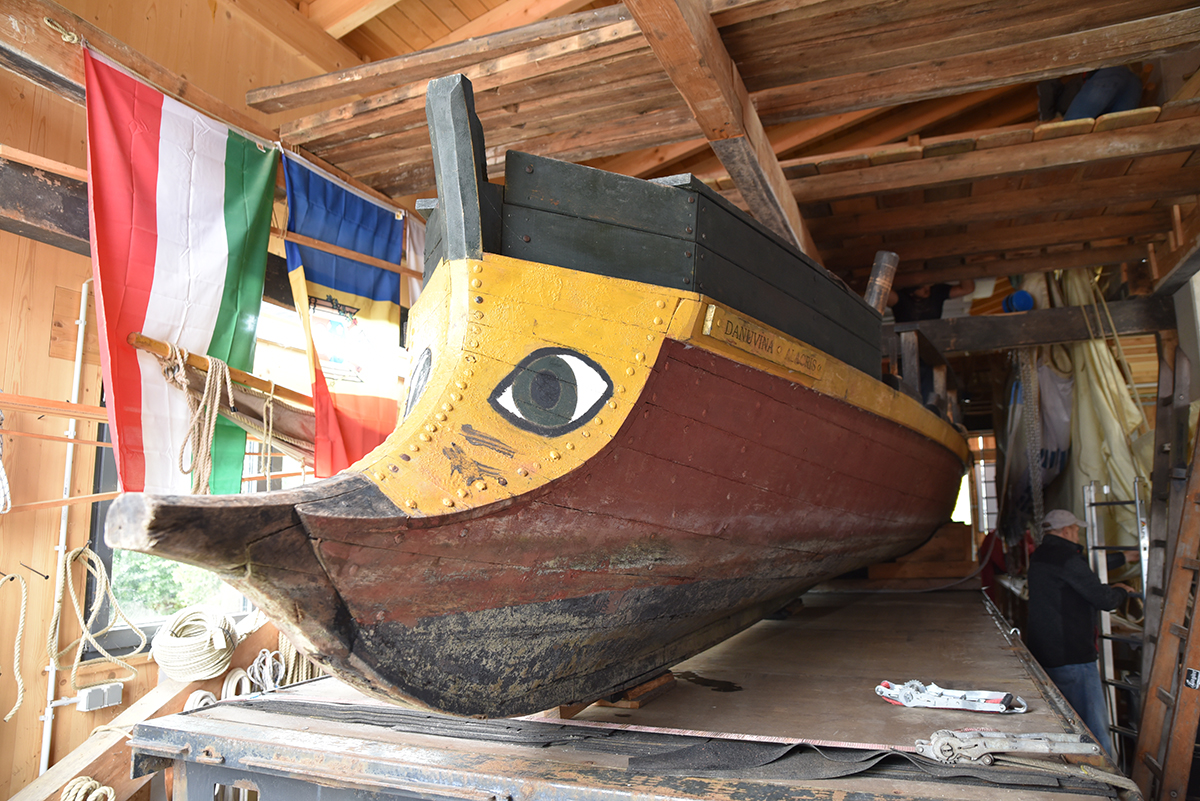 3/19
3/19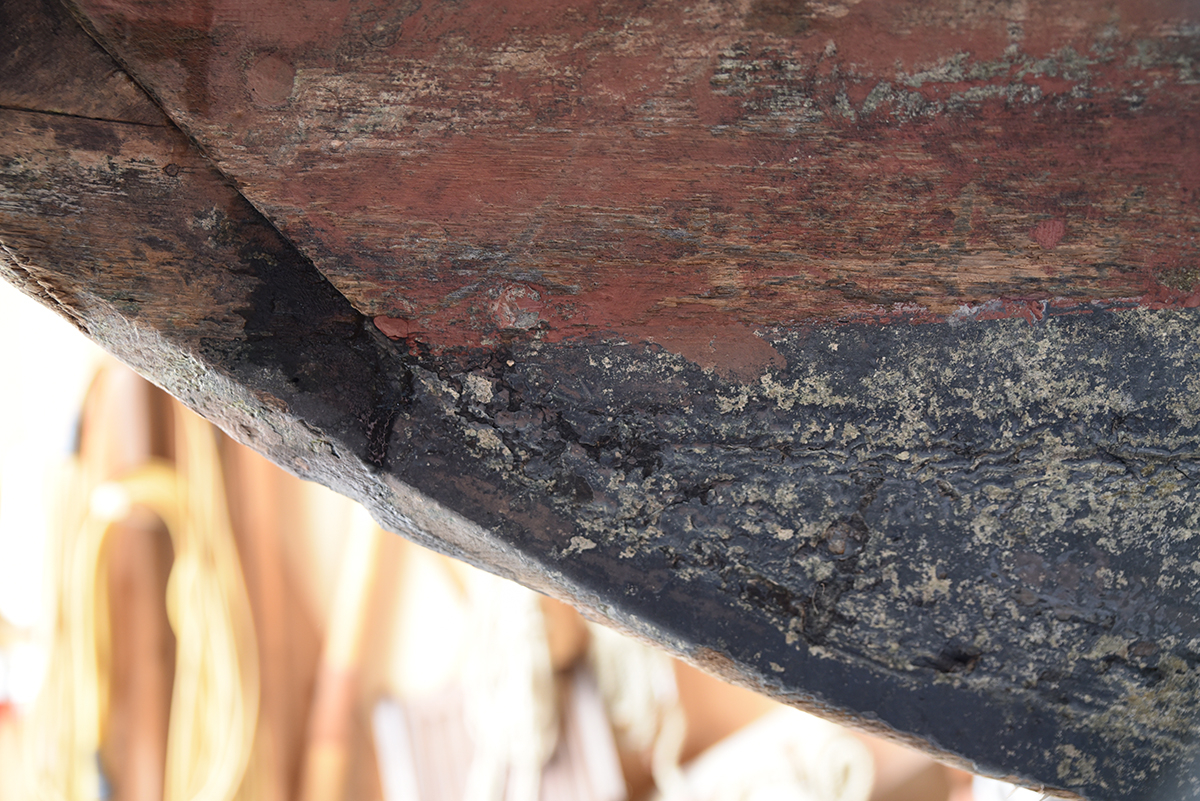 4/19
4/19 5/19
5/19 6/19
6/19 7/19
7/19 8/19
8/19 9/19
9/19 10/19
10/19 11/19
11/19 12/19
12/19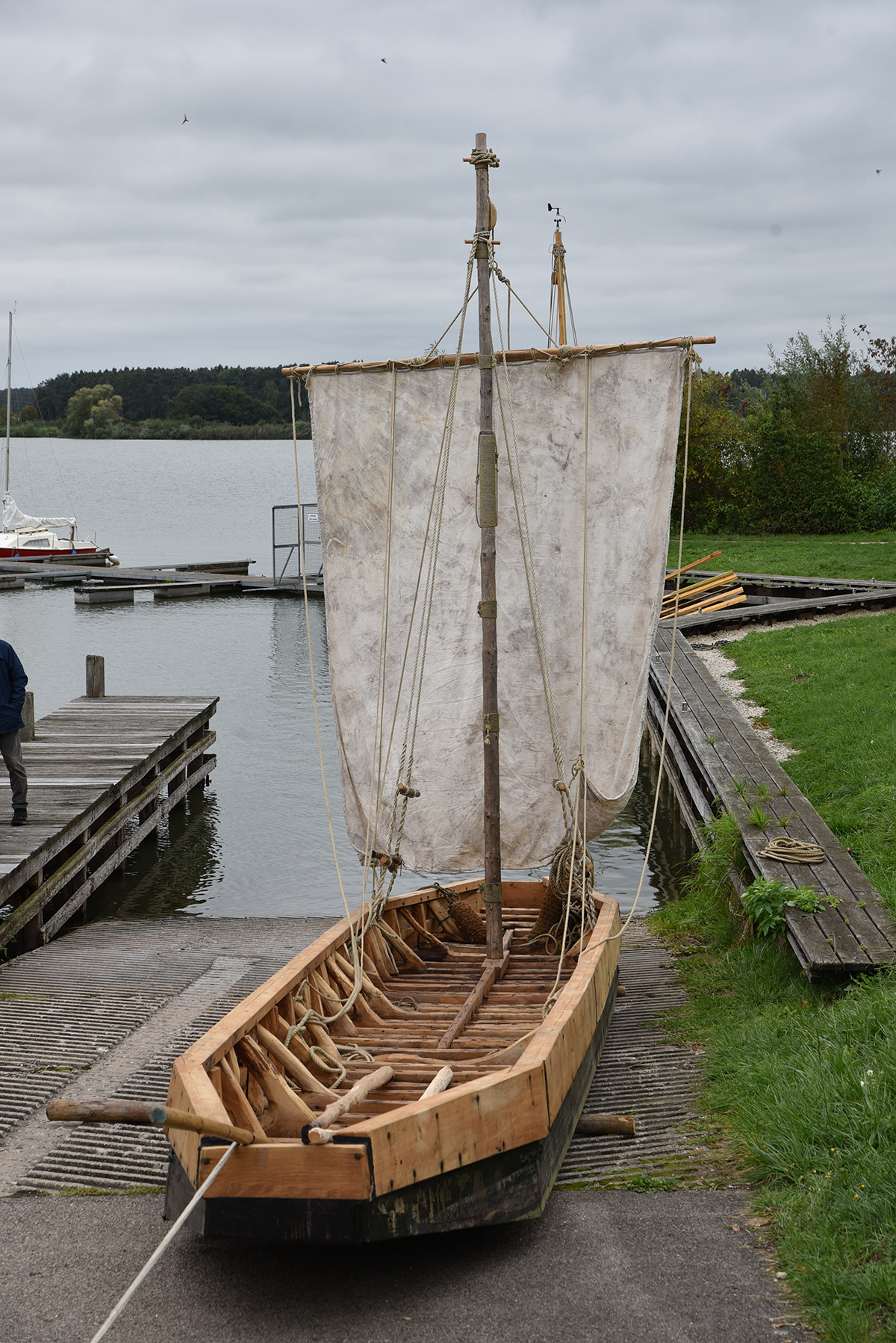 13/19
13/19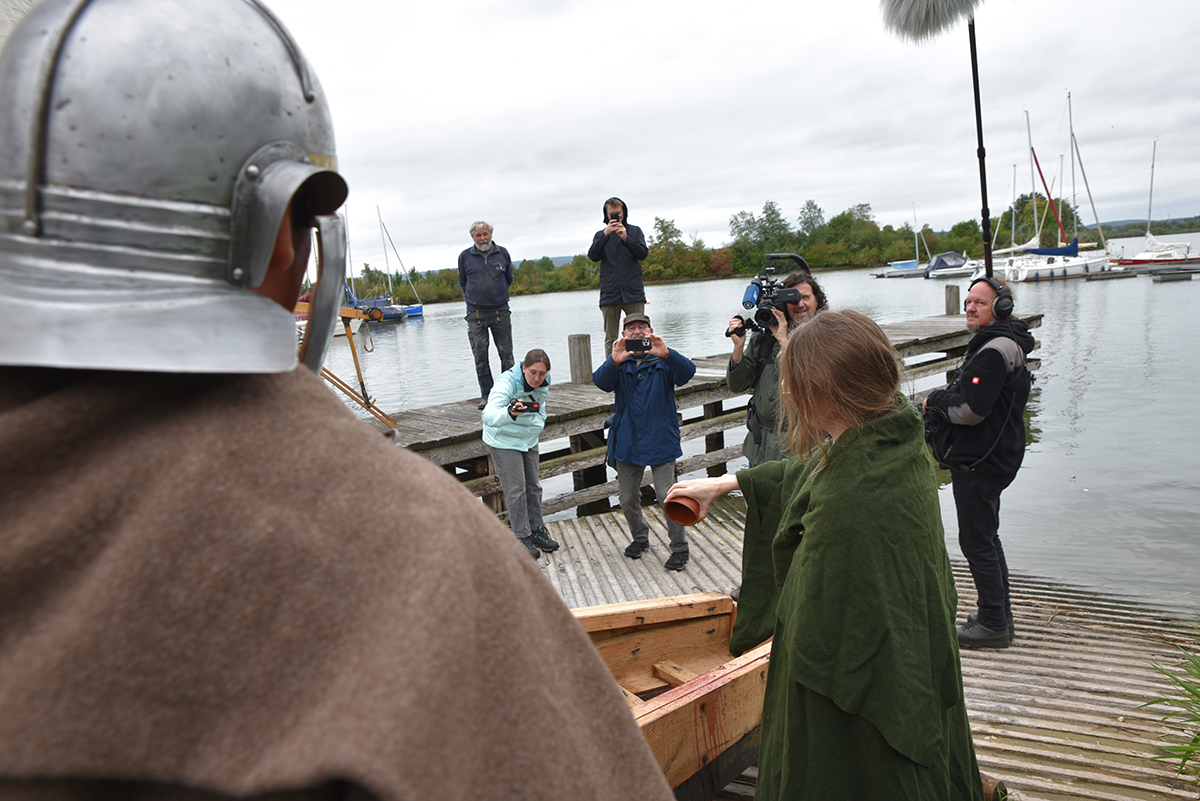 14/19
14/19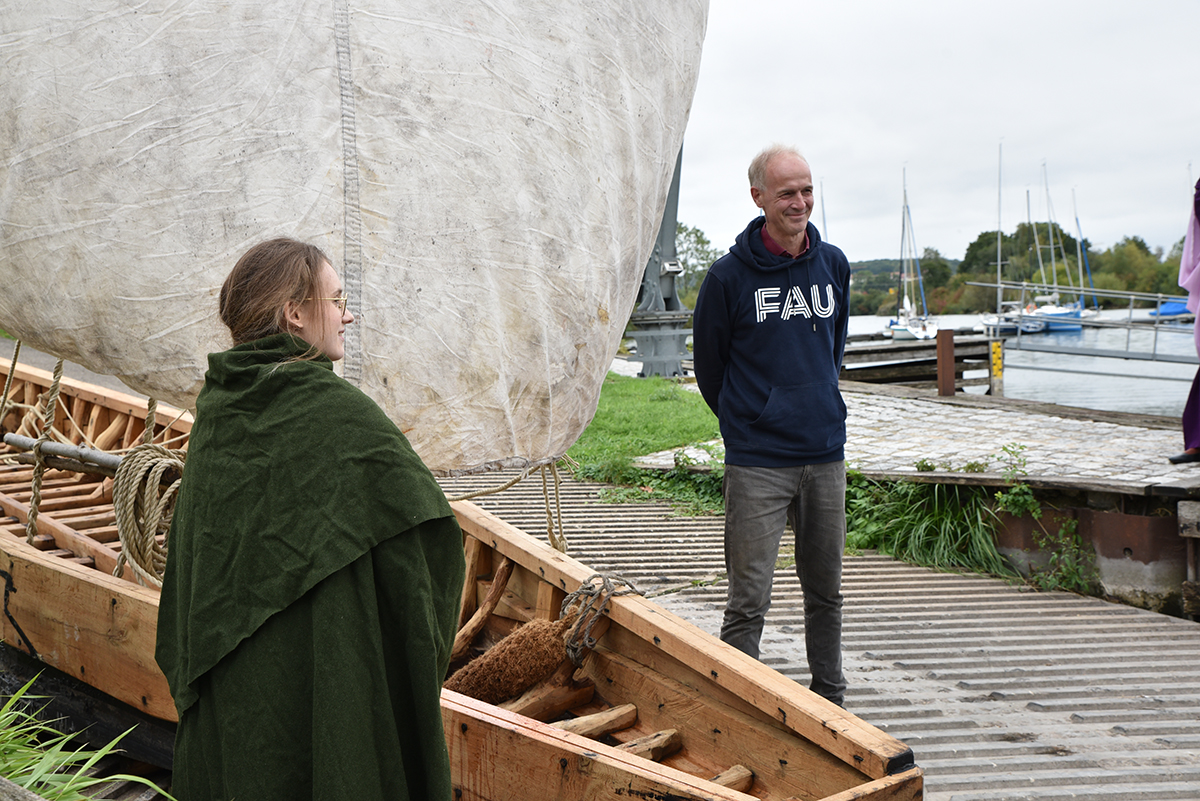 15/19
15/19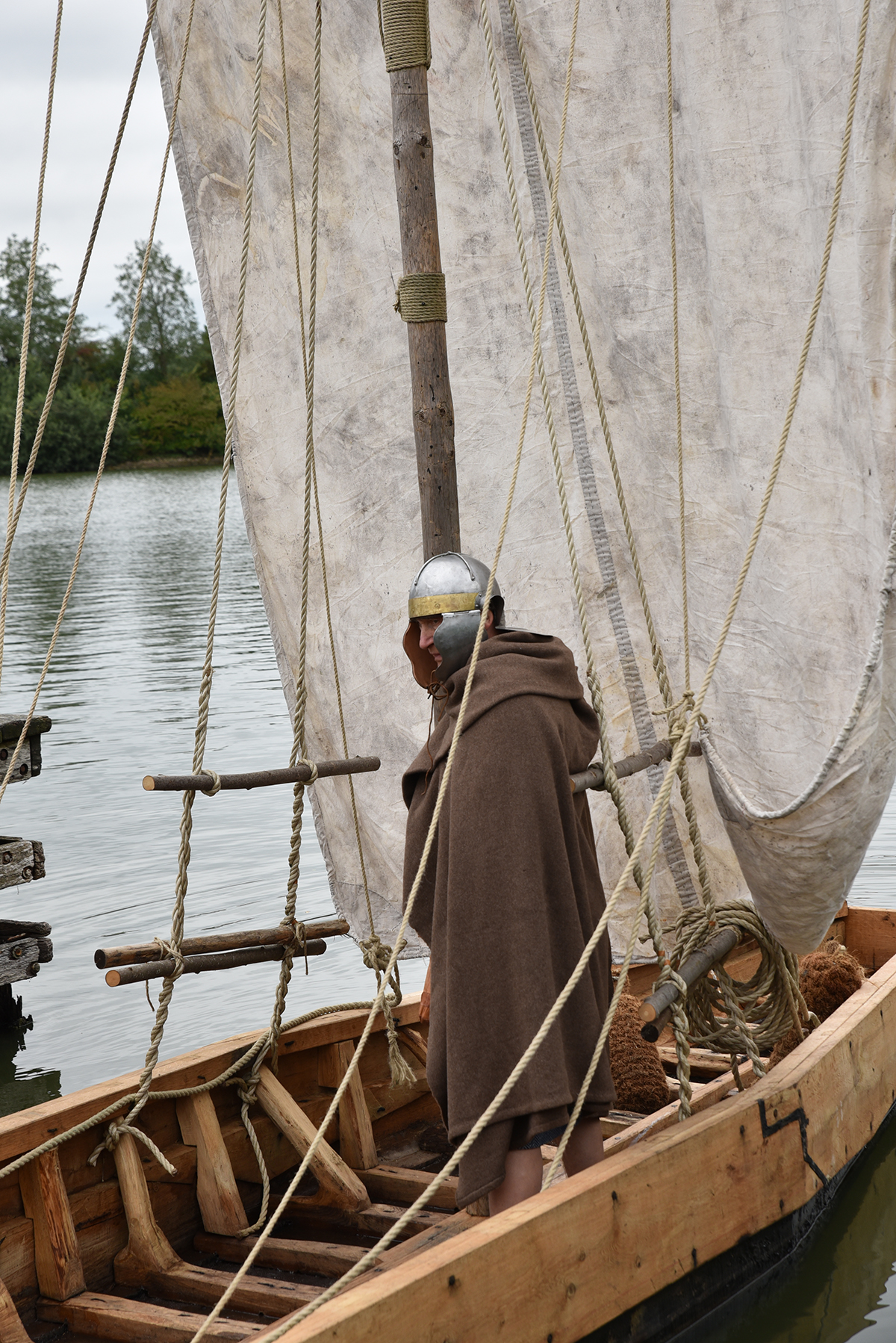 16/19
16/19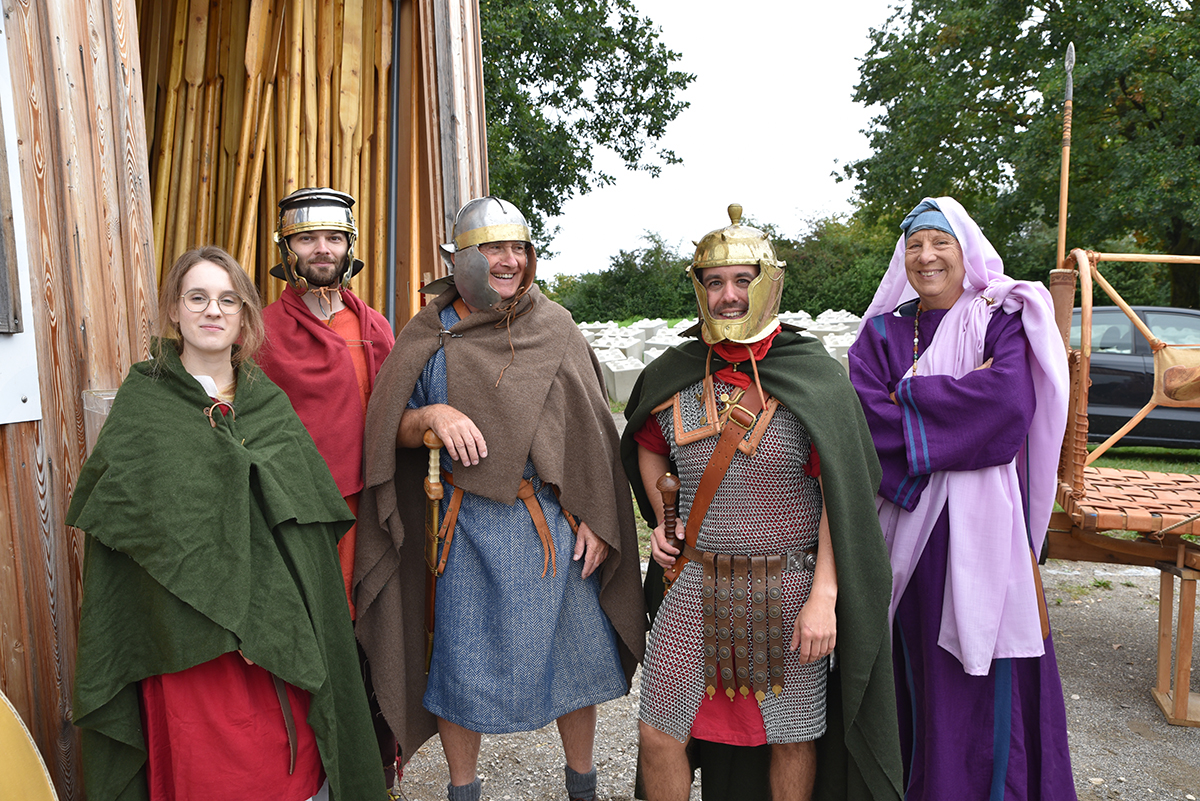 17/19
17/19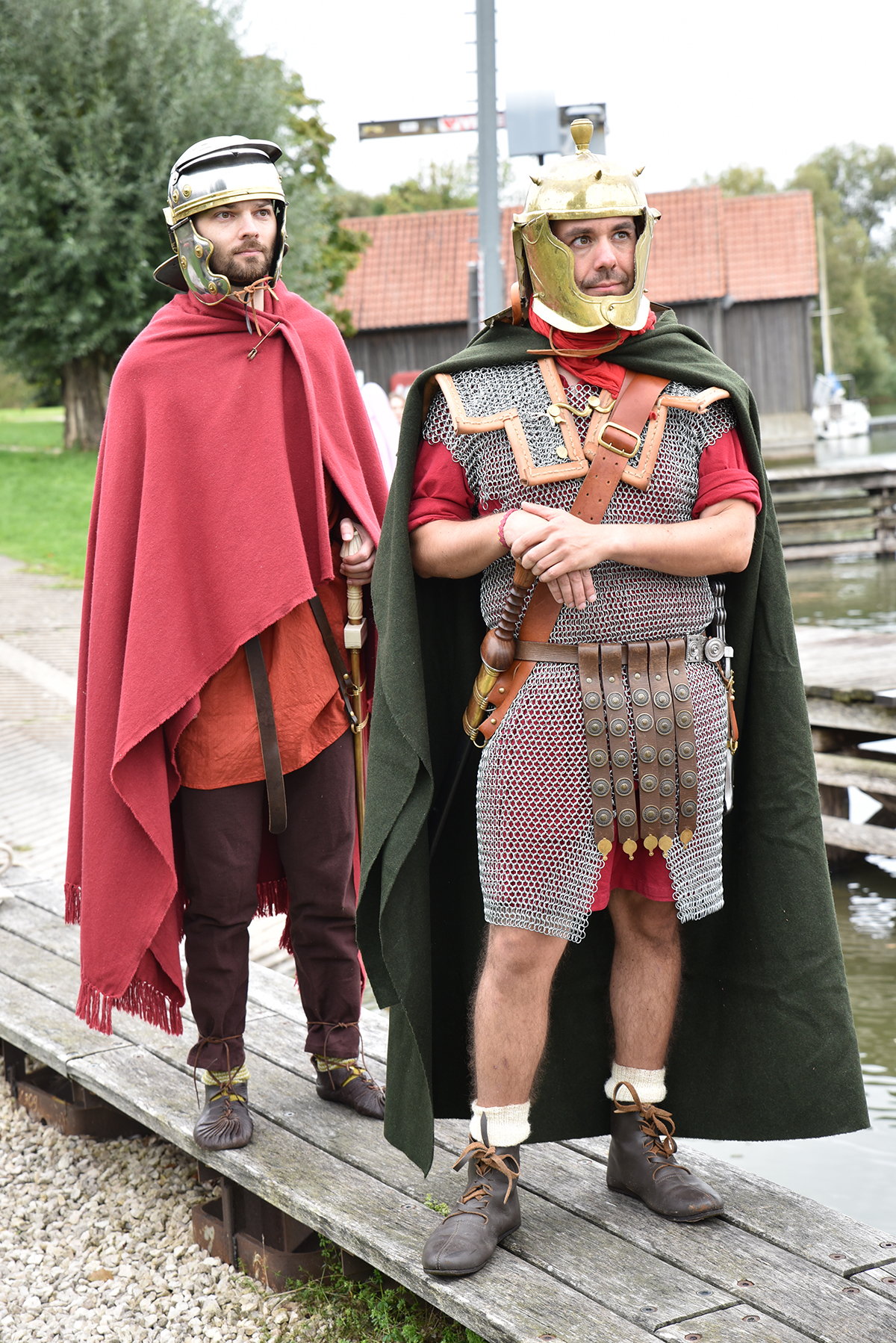 18/19
18/19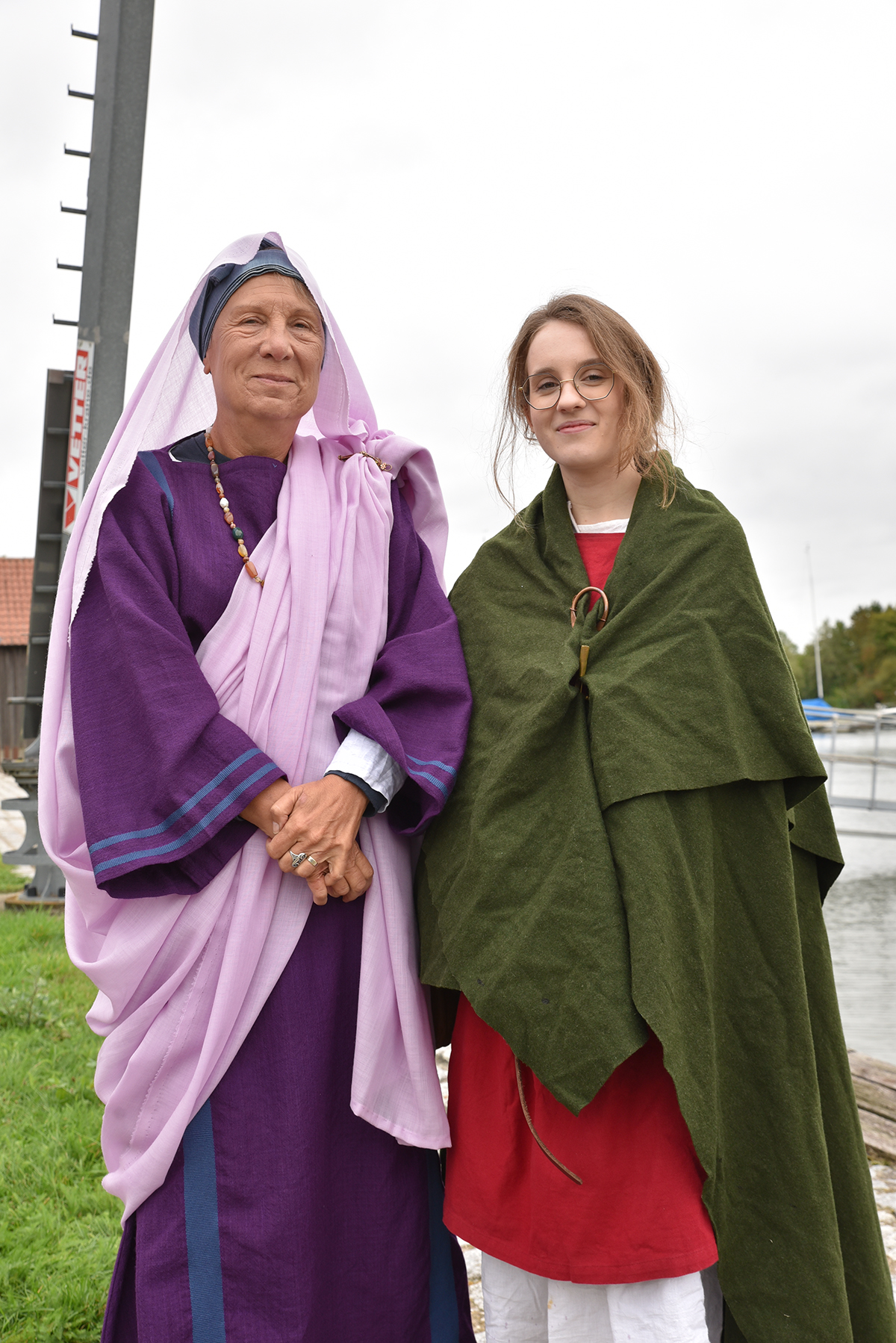 19/19
19/19Further information:
Prof. Dr. Boris Dreyer
Professorship for Ancient History
Phone: +49 9131 85 25768
boris.dreyer@fau.de