
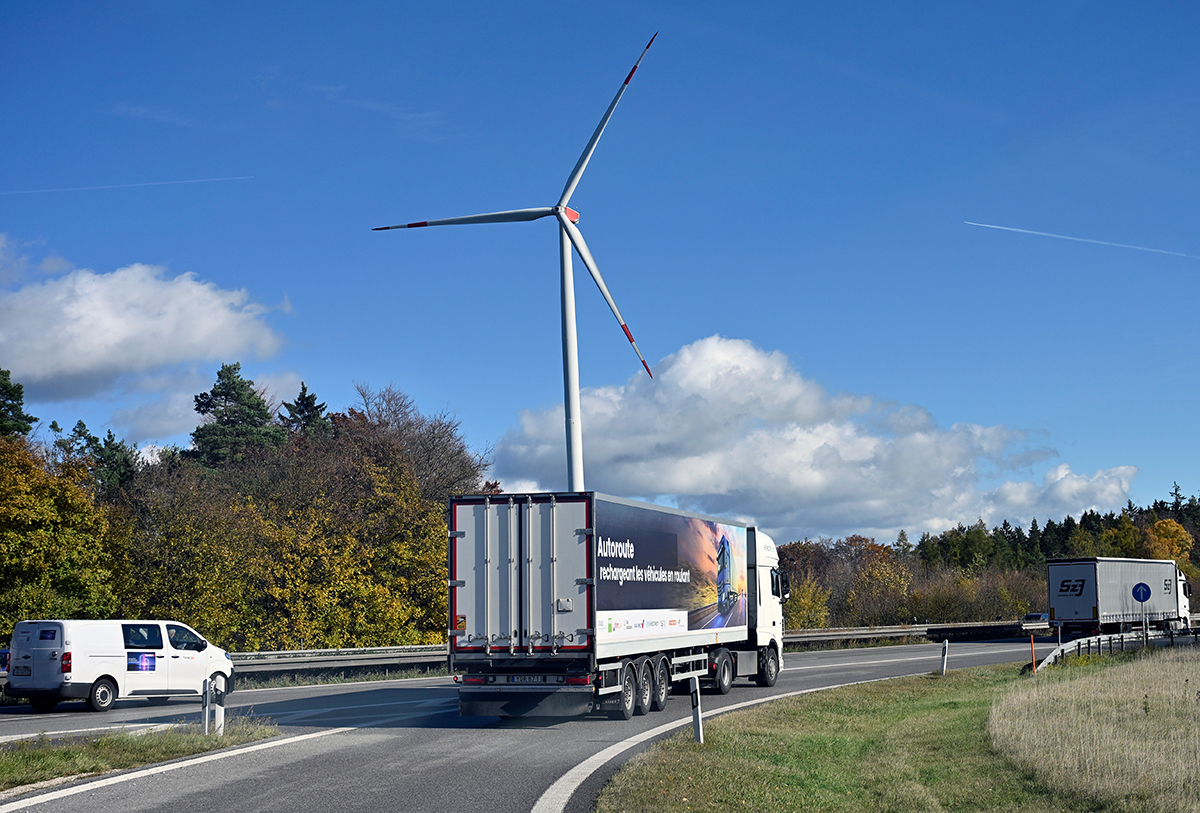
Germany’s first highway with wireless charging technology – a milestone for electromobility
One kilometer of future on asphalt: The construction phase on the A6 near Amberg in Germany is complete – now the testing begins. The E|MPOWER project, led by Friedrich-Alexander-Universität Erlangen-Nürnberg (FAU), is taking a decisive step toward electrified mobility. For the first time in Germany, research is being conducted on a highway to determine how electric vehicles can be charged wirelessly while driving.
“We are literally bringing research to the road with E|MPOWER,” says Prof. Dr. Florian Risch, Professor for Assembly Technologies for Electrical Energy Storage at the Chair of Manufacturing Automation and Production Systems (FAPS) at FAU. “The technology has the potential to overcome range anxiety, reduce the need for battery imports, and strengthen regional value creation in electromobility at the same time.”
The consortium consisting of FAU, Electreon, VIA IMC, Risomat, and the Nuremberg Institute of Technology Georg Simon Ohm (Ohm), as well as project partners Seamless and EUROVIA, will use the results to develop production-ready assembly and installation processes.
How the technology works
The wireless charging system for electric vehicles is based on a solution from the technology company Electreon, which is a global leader in inductive charging technologies. Coils embedded in the road surface generate a magnetic field as soon as a suitably equipped vehicle drives over them. A secondary coil in the vehicle receives the energy and transfers it directly to the battery.
The technology for integrating and scalable production of the coils comes from Seamless Energy Technologies in Nuremberg. The company supplies the electronic unit, which is integrated beneath the road surface and enables precise energy transfer between the road and the vehicle. The system works while driving as well as when parked.
Unlike overhead line solutions, the technology remains invisible and safely integrated into the roadway. The coils are only active for authorized vehicles and comply with international safety standards for magnetic fields. For all other road users, the road remains passive – just a normal stretch of highway.
Benefits for vehicles, infrastructure, and the environment
Inductive charging could fundamentally change e-mobility. In the future, vehicles will require smaller batteries, which reduces weight, resource consumption, and costs. At the same time, continuous recharging while driving significantly extends the range. Because there is no need to stop for charging, the existing road infrastructure can be used more efficiently – a particular advantage in freight transport.
The system can be integrated into cars, trucks, and buses, regardless of vehicle type or manufacturer. The energy flow is intelligently managed via a digital platform: Charging times and amounts are adjusted as needed to avoid peak loads and use the available energy efficiently. In this way, the system supports optimized fleet management and contributes to grid stability.
“We are talking about a truly pioneering project here,” emphasizes FAU President Prof. Dr. Joachim Hornegger. “E|MPOWER shows that sustainable mobility can be not only emission-free, but also comfortable and efficient. We are taking our university motto ‘Moving Knowledge’ literally in this research project.”
Dr. Andreas Wendt, Managing Director of Electreon in Germany, adds: “The test track on the A6 is an important step to validate our technology under real-world conditions and to demonstrate its benefits for everyday use. We are convinced that inductive charging will play a key role in making electromobility more efficient and suitable for the mass market.”
From test track to series production
The approximately one-kilometer-long test field on the A6 between Sulzbach-Rosenberg and Amberg-West now serves to test efficiency, manufacturing processes, and energy transfer rates under real-world conditions. Researchers from the Nuremberg Institute of Technology Georg Simon Ohm are conducting, among other things, simulation-based and measurement-based investigations of loss mechanisms in contactless power transmission.
In the long term, the technology is to be expanded to longer highway sections and urban areas. It could also play a role in combination with other alternative drives in the future – as a component of an intelligent, climate-friendly transportation infrastructure.
The E|MPOWER project is funded by the Federal Ministry for Economic Affairs and Climate Action (BMWK) as part of the Elektro-Mobil program and supported by Autobahn GmbH des Bundes. The resurfacing of the Nürnberg-bound carriageway of the A6 between the Sulzbach-Rosenberg and Amberg-West interchanges was used by the project consortium to implement the test track on a section of the road.
More information about the project:
About the project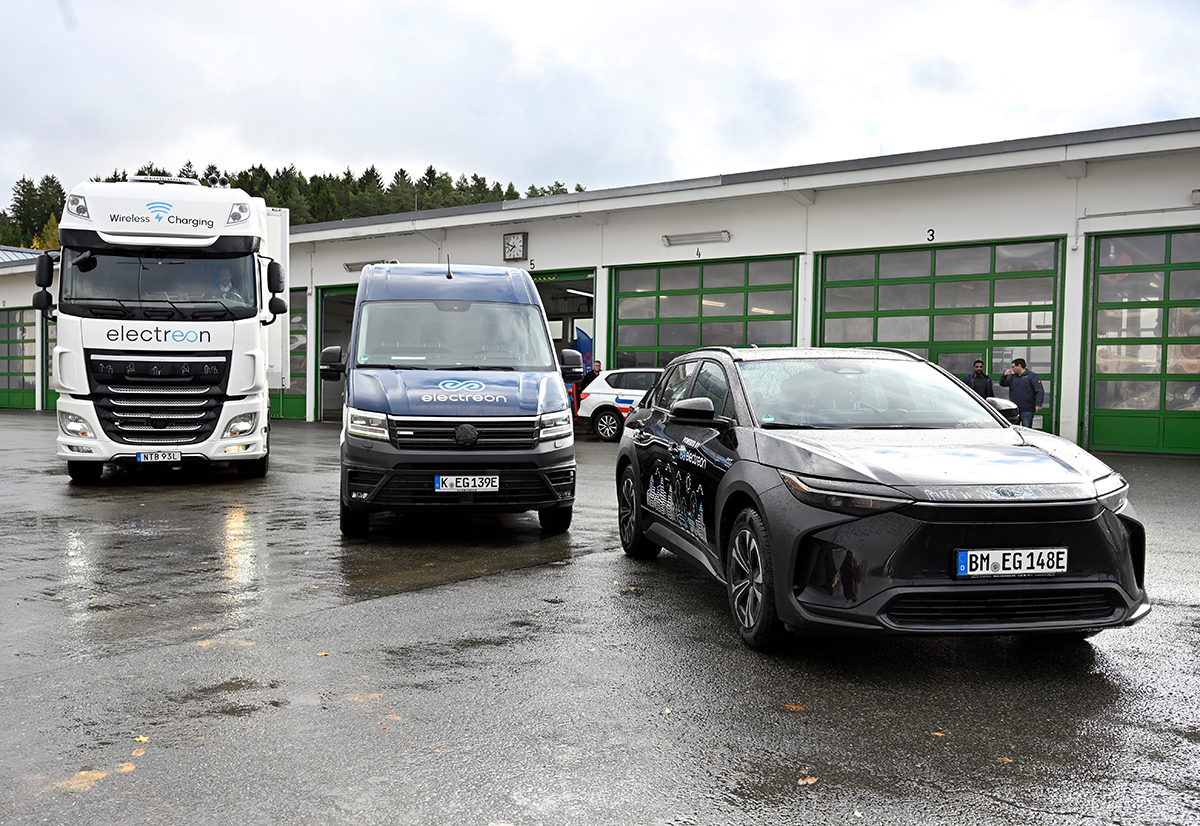 1/9
1/9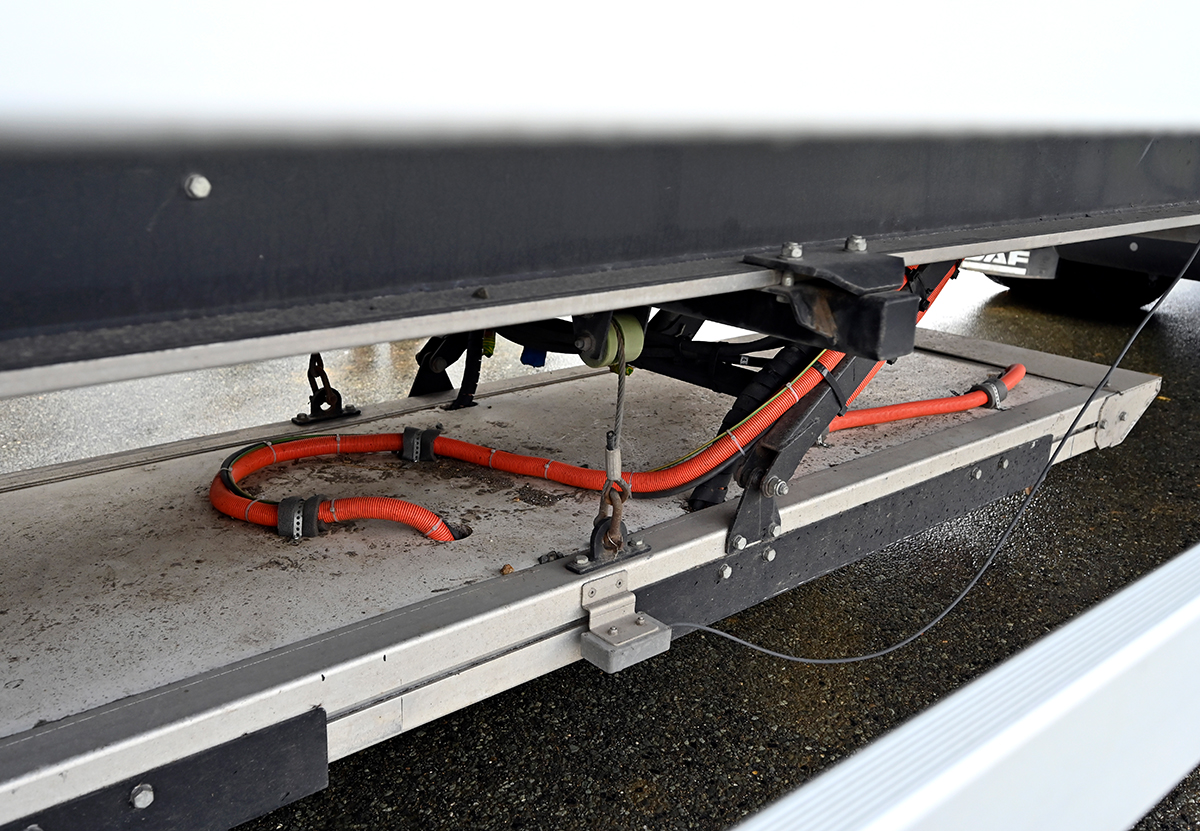 2/9
2/9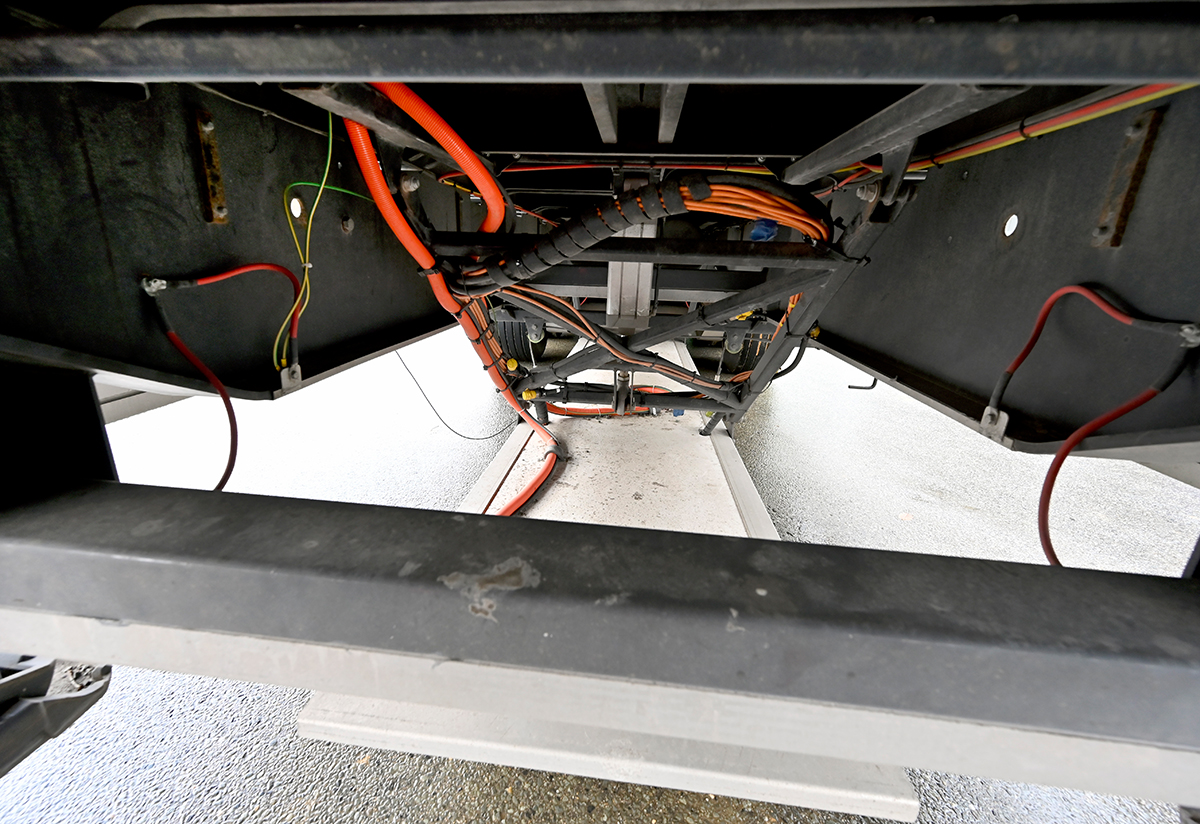 3/9
3/9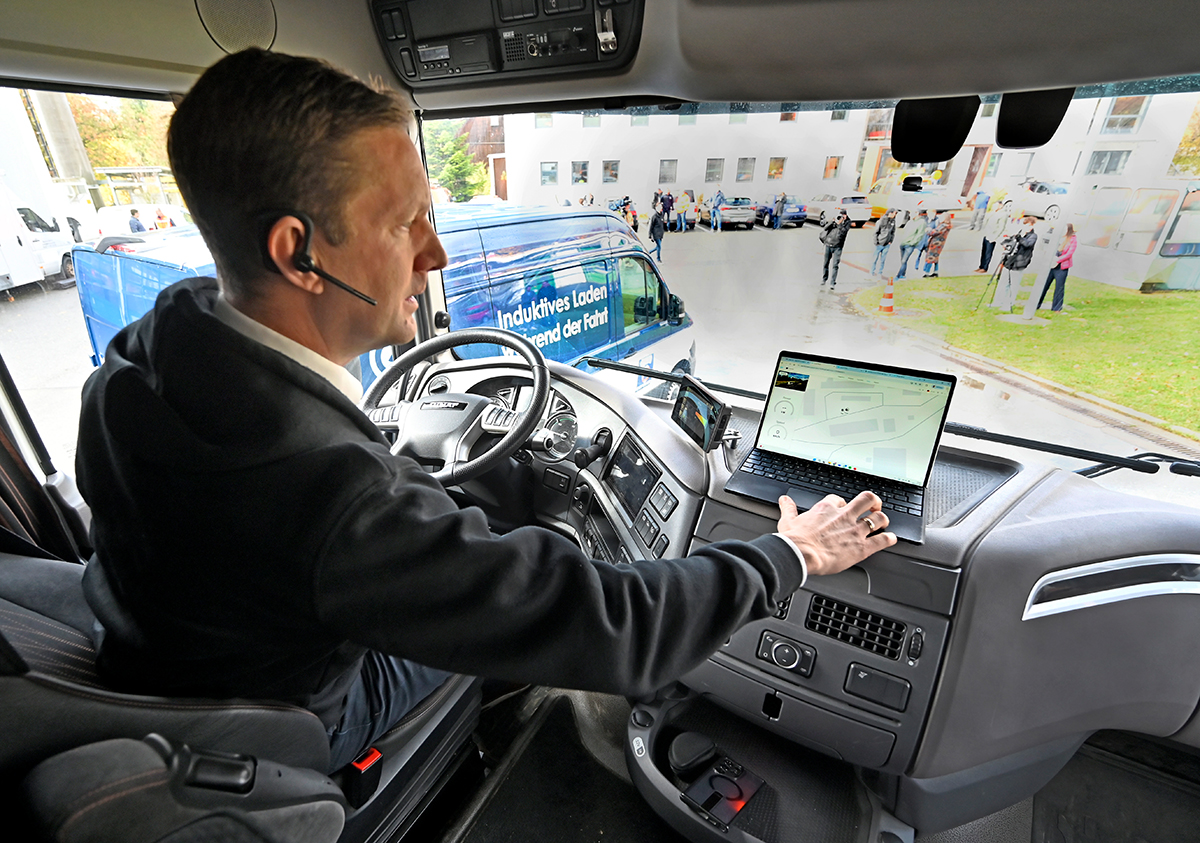 4/9
4/9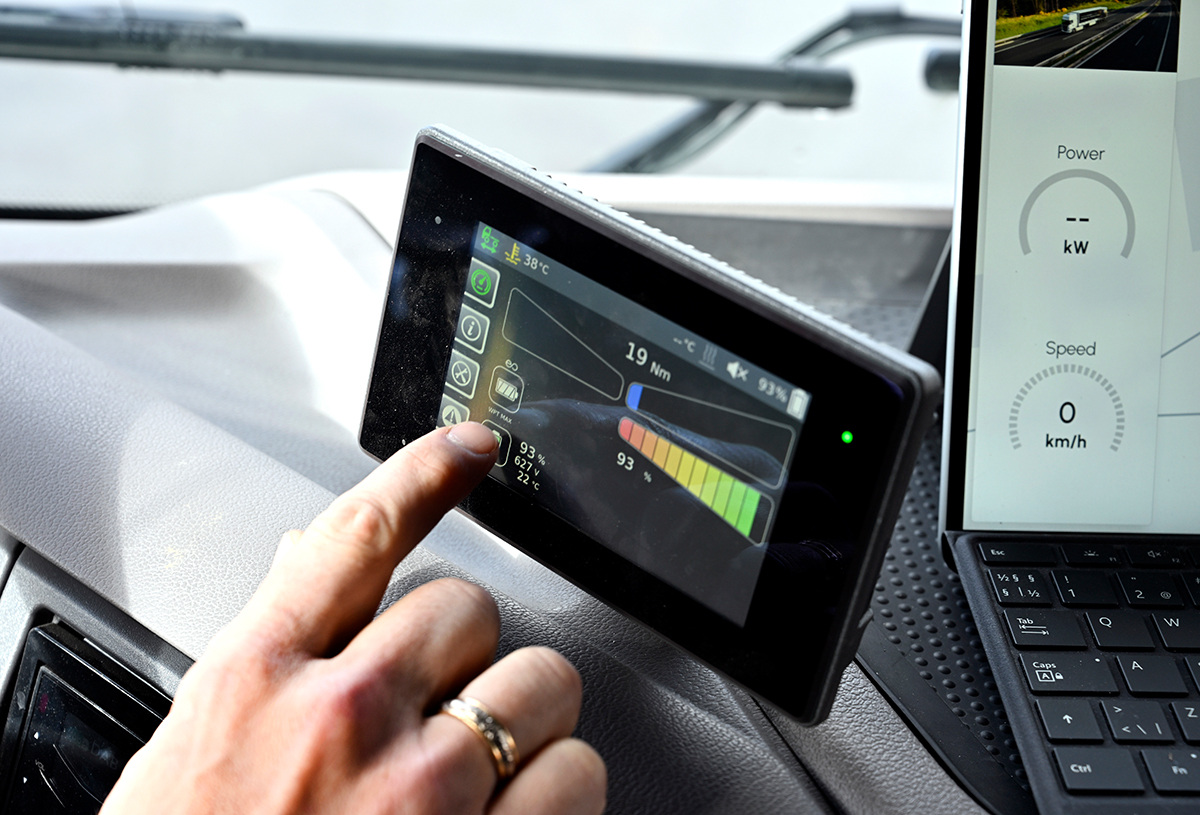 5/9
5/9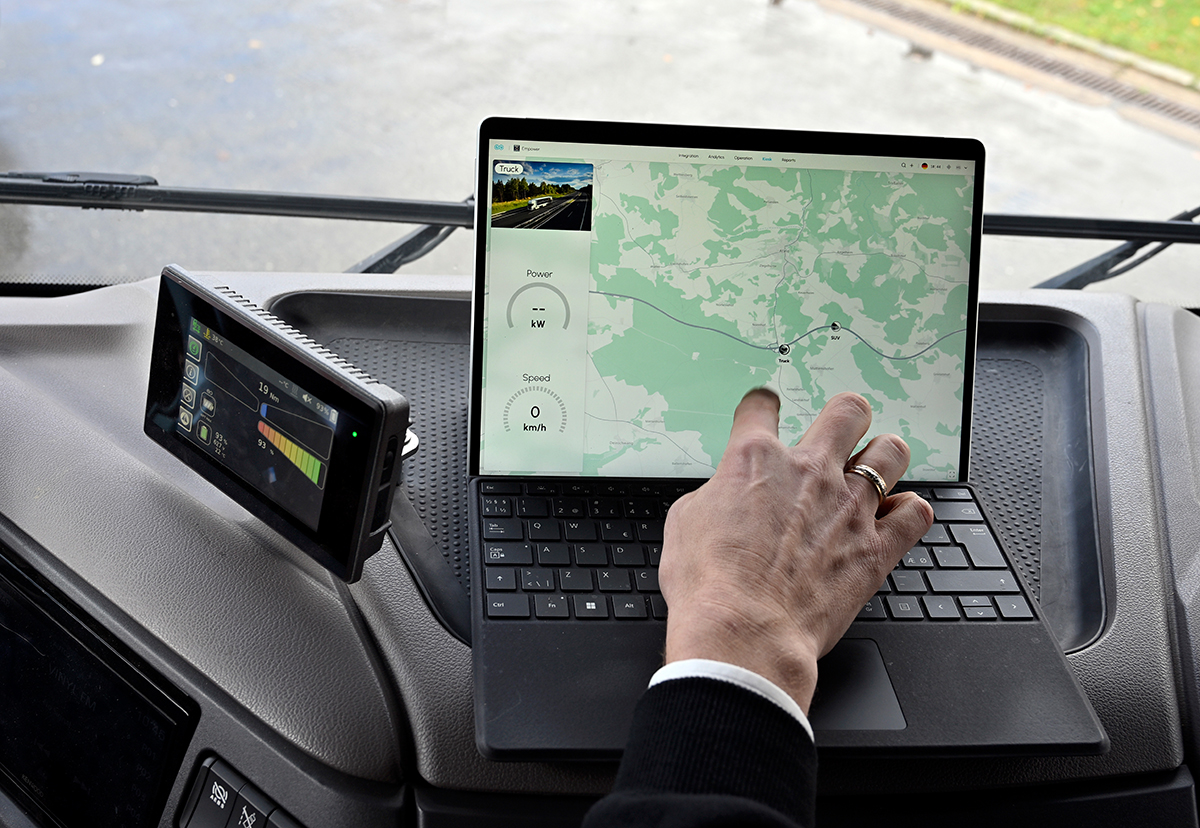 6/9
6/9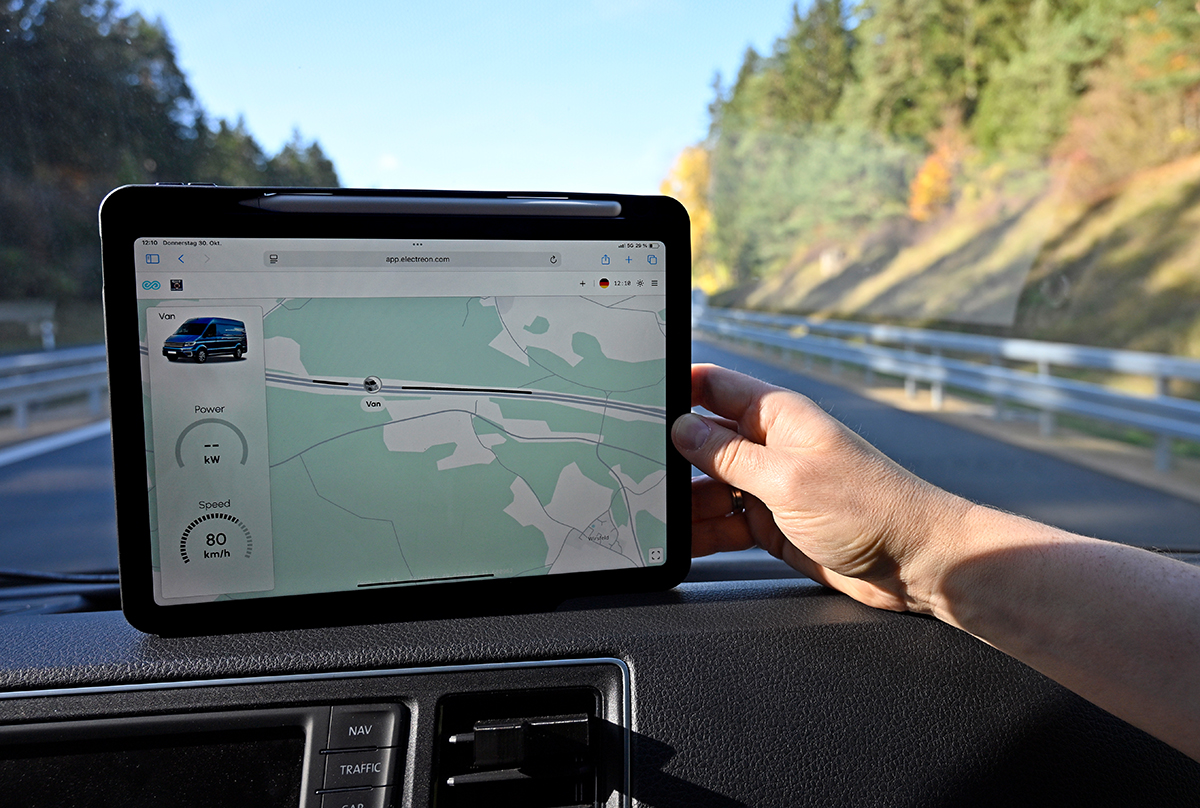 7/9
7/9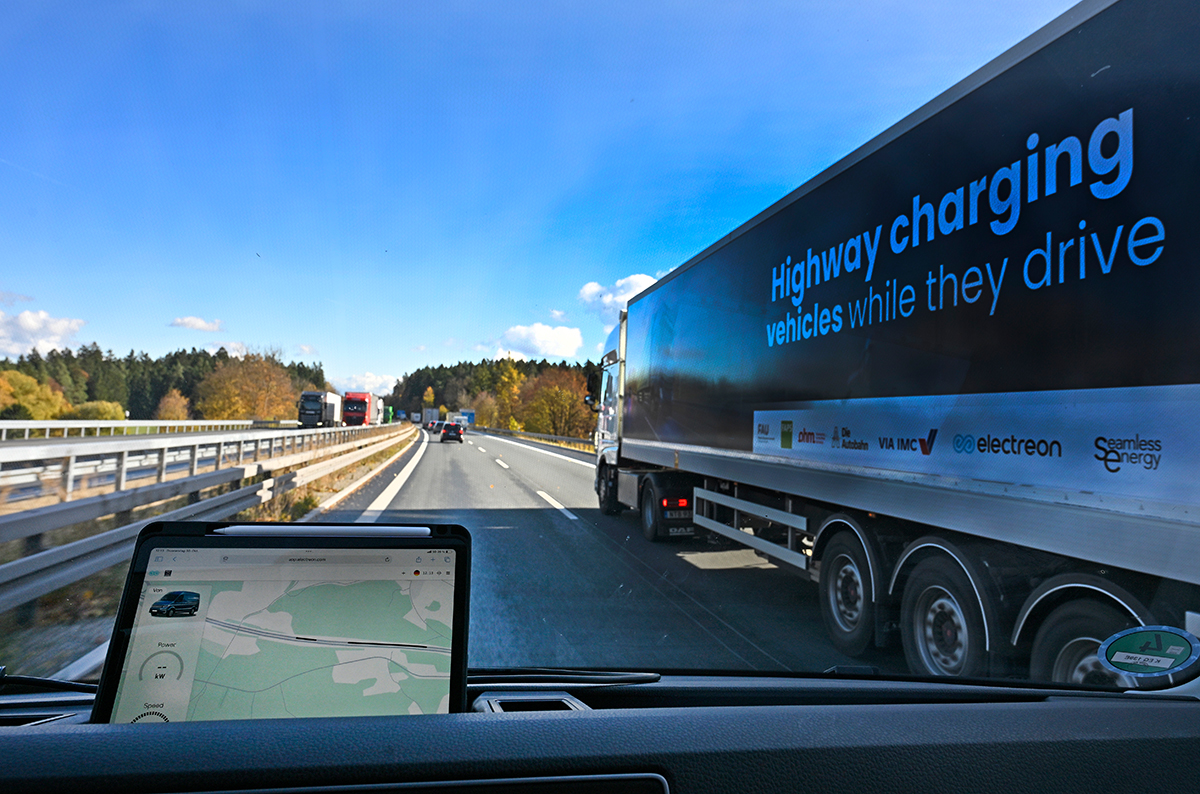 8/9
8/9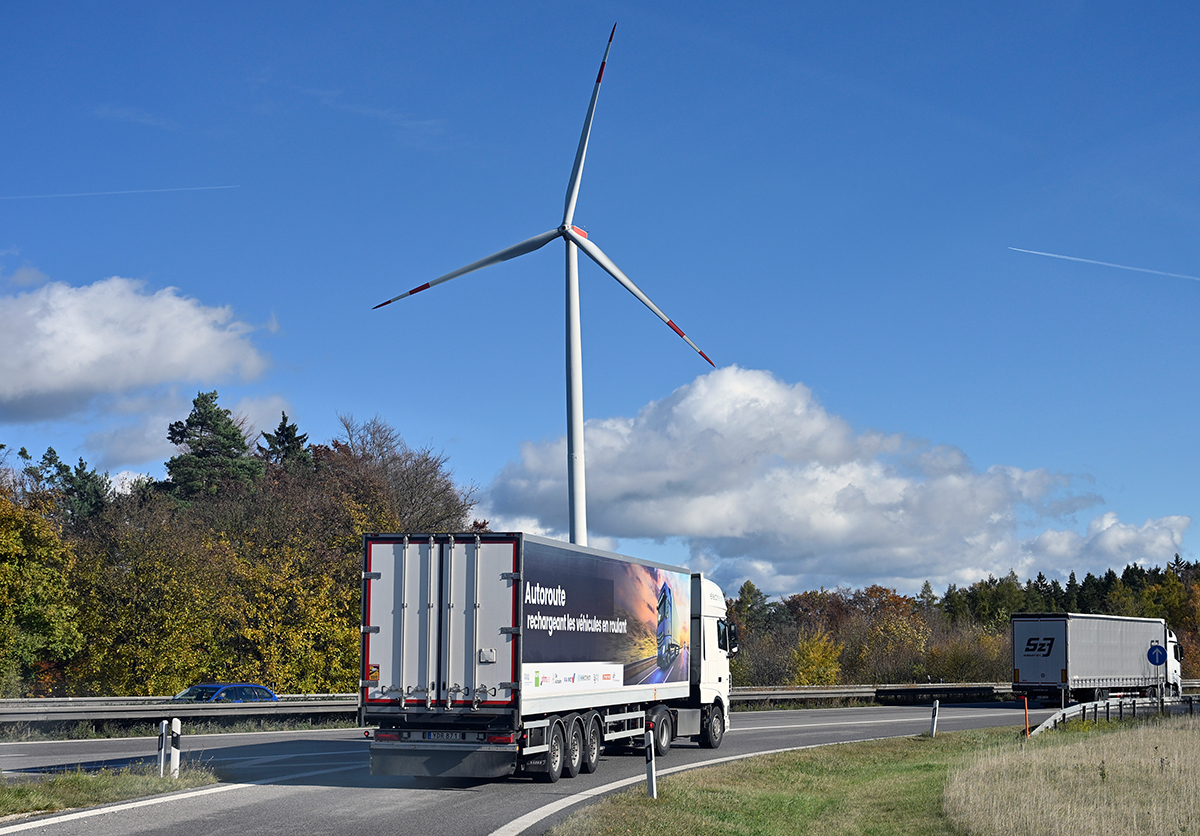 9/9
9/9Videos of the highway section (source: Seamless Energy):
Further information:
FAU
Prof. Dr. Florian Risch
Professorship for Assembly Technologies for Electrical Energy Storage
florian.risch@faps.fau.de
Electreon Germany
Maike Diehl
Diehl Relations
Phone: +49 178/5594694
md@diehl-relations.de
Nuremberg Insitute of Technology Georg Simon Ohm
Matthias Wiedmann
Press representative
Phone: +49 9131 5880 4101
presse@th-nuernberg.de
Friedrich-Alexander-Universität Erlangen-Nürnberg (FAU), established in 1743, is one of the largest universities in Germany, with approximately 40,000 students, over 600 professors and around 16,000 members of staff. Currently, more than 100 programs are funded by the DFG with FAU as lead or participating institution.
FAU offers around 275 degree programs, including five Bavarian Elite Master’s degree programs and around 50 programs with a distinct international focus. FAU is the only university in Germany to be able to offer such a wide and interdisciplinary range of courses at all qualification levels. FAU students enjoy global mobility thanks to partnerships with higher education institutions throughout the world.
With around 4,000 employees at over 140 locations, EUROVIA is one of the leading construction companies in infrastructure construction in Germany. VIA IMC is an innovation company that advises construction firms on all aspects of digitalization. In the E|MPOWER project, EUROVIA integrates the inductive charging technology into the roadway by installing the coils in the road structure. VIA IMC is a consortium partner in the project and oversees the entire construction process. EUROVIA and VIA IMC are both subsidiaries of the VINCI Construction Group.
Electreon is the leading developer and provider of wireless charging solutions for electric vehicles (EVs), offering comprehensive charging infrastructure and services to meet the needs and efficiency requirements of public and commercial fleet operators as well as private users. The company’s proprietary inductive technology enables fast and safe charging of EVs – both while driving and when stationary. This eliminates range anxiety, lowers the total cost of operating EVs, and reduces the need for large battery capacity. This creates one of the most environmentally friendly, scalable, and attractive charging solutions on the market.
Electreon is currently operating nearly 30 projects in eight countries in collaboration with more than 100 partners. Electreon’s wireless road technology was recognized by Time Magazine as one of the 100 best inventions of 2021. Further information: electreon.com.
The Nuremberg Institute of Technology Georg Simon Ohm (Ohm) is a university of applied sciences. With around 13,000 students, it is one of the largest of its kind nationwide.
Ohm is a place of opportunity for research, teaching, and lifelong learning: It explores the key questions of our society and develops and implements ideas for the world of today and tomorrow. It has a strong impact in the Nuremberg metropolitan region and beyond. Modern teaching and learning formats, as well as the broad and practice-oriented range of study programs, offer students excellent career prospects.
Seamless is engaged in the development of production technology and the actual production of coil segments for contactless charging of electric vehicles.