
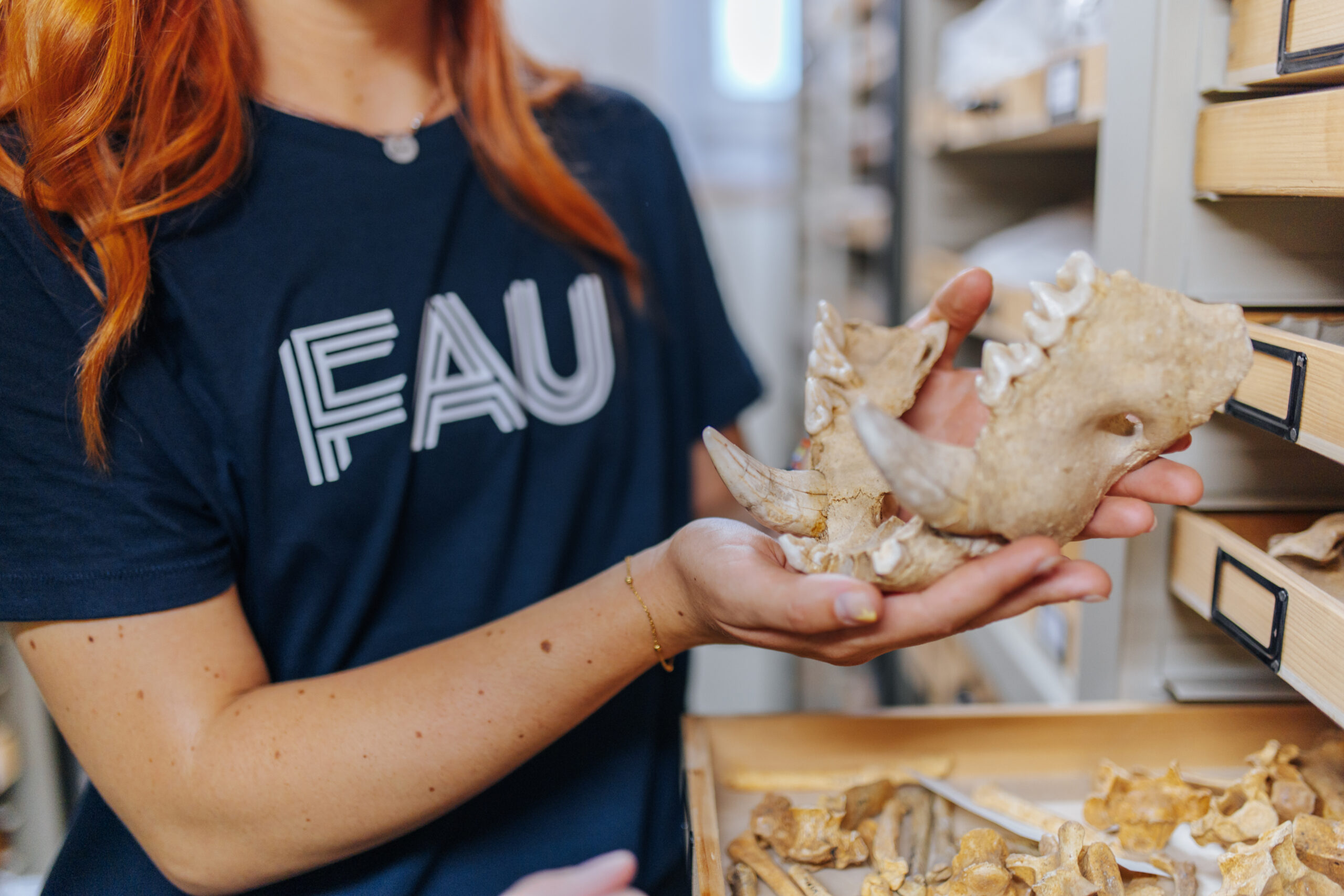
Paleontologists and geoscientists from FAU publish international study
The majority of paleontological and geoscientific databases are only available for a few years before becoming inaccessible. This is what researchers from Friedrich-Alexander-Universität Erlangen-Nürnberg (FAU) have discovered during research with an international team. The authors call for international cooperation, basic funding for infrastructure, and standardized database systems that allow for easy access and seamless data exchange. In addition, a more proactive approach ought to be taken to communicating the scientific and economic value of the databases. The results of the study have been published in the journal “Nature Ecology & Evolution”.*
Research databases for paleontology and geosciences give us an insight into the history of life on earth. Systematically compiled fossil finds not only allow researchers to reconstruct when and where certain species lived. They can also be used to derive underlying patterns of evolution, such as the “big five”. During these five mass extinction events in Earth’s history, species diversity diminished drastically over a short period of time in geological terms of only a few thousand years due to climate change, volcanic activity, a lack of oxygen or meteorite strikes. “We need these empirical insights into the past in order to be able to model future scenarios more accurately,” explains Prof. Dr. Wolfgang Kießling, Chair of Paleoenvironmental Analysis at FAU. “Evaluating the impact of current climate change will remain highly speculative if we cannot base our assessments on reliable data.”
Databases are rarely available for more than 15 years
It is all the more dramatic when carefully collected information is lost when databases are not maintained or are shut down altogether. That happens shockingly often, as an international team of 22 researchers led by FAU has discovered in a recent study. The authors, all of whom are responsible for scientific and museum collections, researched which paleontological and related geoscientific databases were established between 1970 and 2024, and how long they remained available. The sobering result: Of the 118 open access databases they identified, 85 percent had a life span of less than 15 years, and just under 50 percent were accessible for five years or less. “That correlates strongly with funding cycles,” Kießling explains. “Larger projects are usually only financed for five years, then the results are published and the project objective is met. When it comes to keeping and maintaining the databases over the long term, there is usually a lack of both funds and personal commitment.
It is vital for research that researchers are able to access not only published results but also fundamental data, i.e. basic information on fossil exhibits, from as many databases worldwide as possible. “Imagine you have new insights into scientific connections relating to diversity dynamics or to shifts in habitats due to plate tectonics. Or pioneering new technological possibilities become available for determining the age and location of samples, similar to the way DNA analysis revolutionized forensics. You would obviously then want to work with raw data and not with the conclusions that were reached decades ago,” Kießling explains. The FAU researcher, who is considered one of the top experts in his subject in the world, knows what he is talking about: He was involved in creating the Paleobiology Database, the largest database available today for the systematic cataloging of extinct animals, plants and microorganisms, that currently includes half a million classified names. Roughly one fifth of the entries are from research conducted in Erlangen.
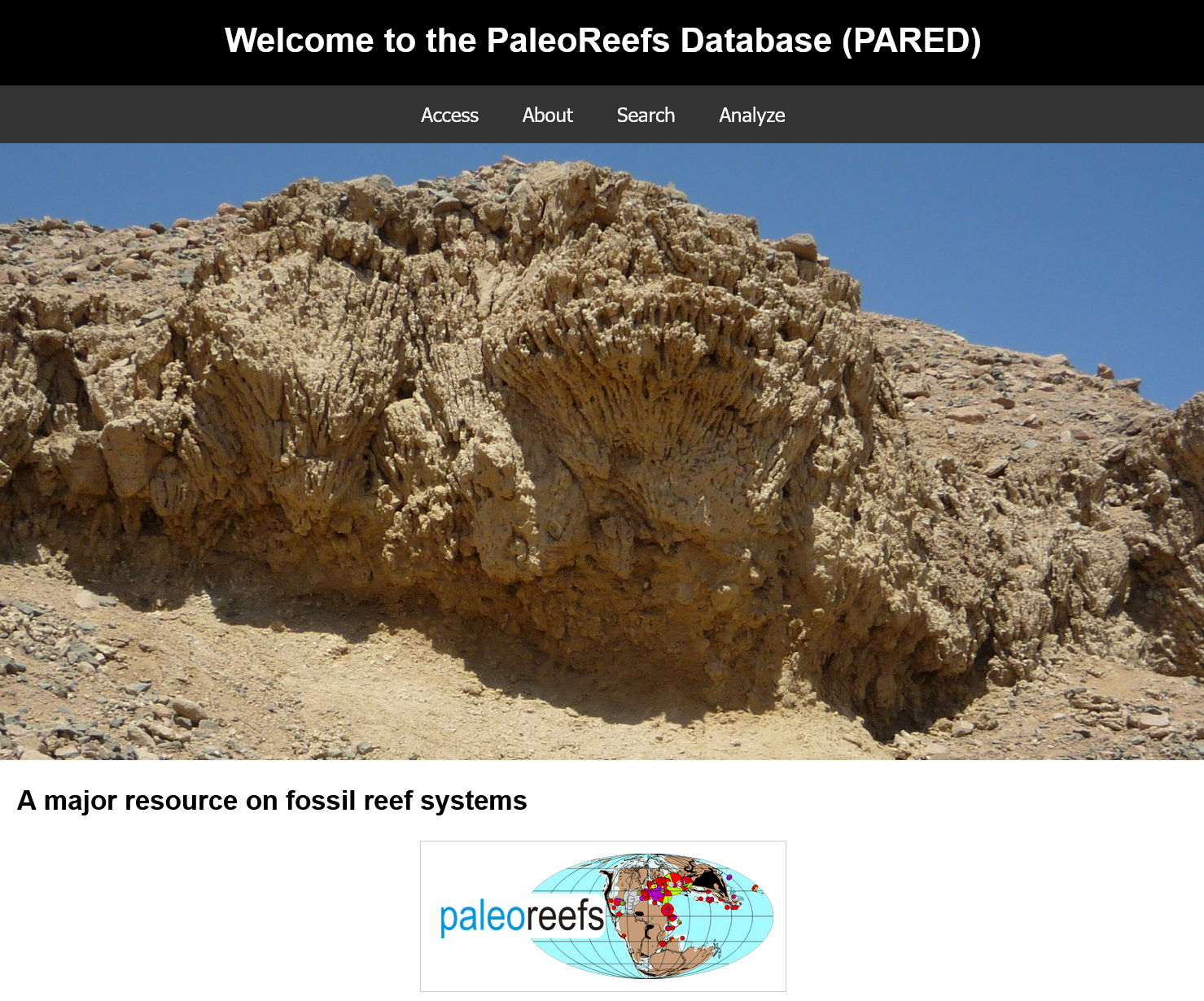
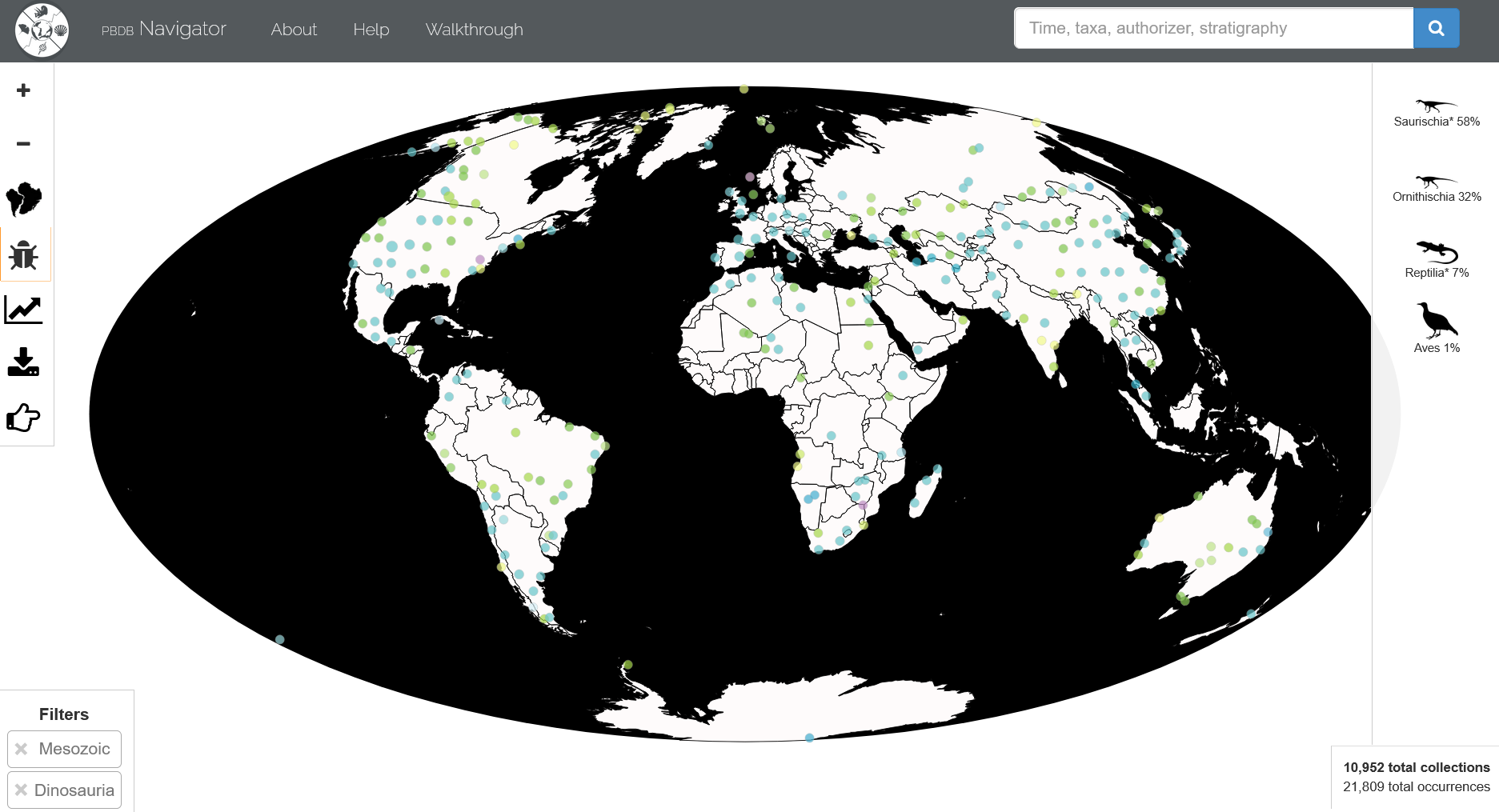
An appeal to those responsible for funding policy and the research community
The results of the study highlight the issue of funding policies. “It is not only a question of more money,” says Kießling. “What we need are funding models tailored towards securing infrastructure over the long term – for instance, servers for hosting or staff for maintaining data.” At the end of the day, it is much more cost-effective to maintain databases than to replace them. One positive example the researcher mentions is the Global Biodiversity Information Facility (GBIF), an initiative that makes scientific data and information on biodiversity available in digital form on the internet, free of charge and on a permanent basis. The GBIF is a multinational consortium that is funded by member countries, each of which provide a financial contribution and data. Additionally, the authors argue the need for clear funding guidelines that oblige individual projects to collaborate with scientific institutions and museums worldwide and that make it obligatory to link all publications with primary fossil data.
The researchers also call on the research community: Future projects must aim to take modular architecture and interoperability into consideration when designing databases and to comply with international standards, for instance API interfaces. This would allow them to be integrated into more comprehensive infrastructures at a later date and reduce redundancy. Furthermore, regardless of the requirements imposed by funding providers, collaborations should be sought with museums, universities, government authorities and industrial partners in order to invest in shared data resources. Finally, it is important to systematically assess the scientific and economic value of databases and to communicate this in a proactive way. “Conservative estimates suggest that the data contained in the three most important of the 118 databases we looked at are worth several billion euros,” according to Dr. Elizabeth Dowding, research associate at the Chair of Paleoenvironmental Analysis at FAU and lead author of the study. The loss of a database entails so much more than the data becoming inaccessible – it can destroy decades of field research, curation, public financing and common efforts.
“Public databases are among the most valuable scientific resources that we have,” Dowding explains. “They stand for collective knowledge, public investments and global collaboration. If we make a joint effort to look after them, they will remain available for future generations.”
*DOI: 10.1038/s41559-026-02985-8