
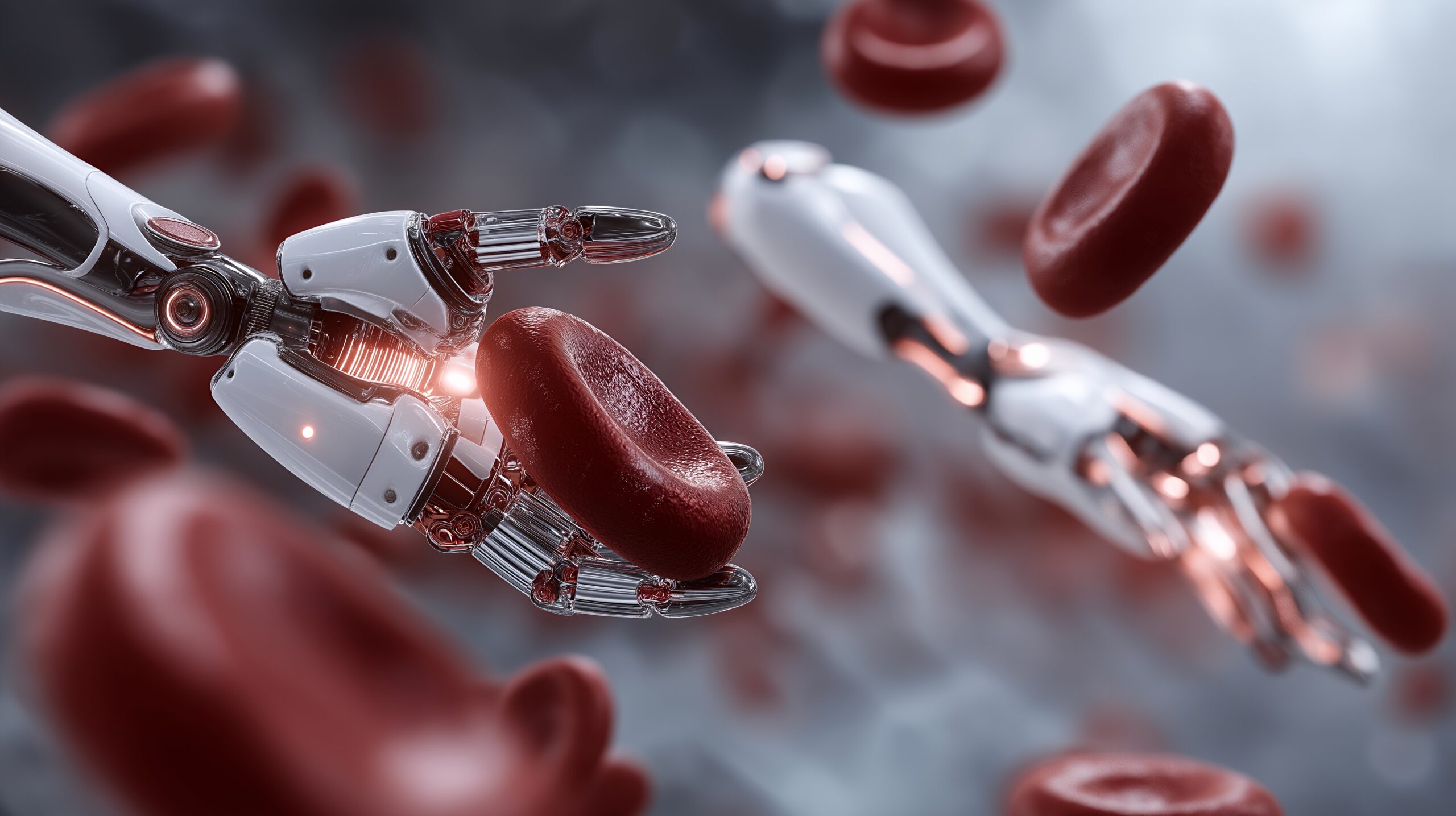
FAU researchers nearing a breakthrough in revolutionary technology: now all that is needed is funding for the final stage before real-world application
“Medicine of the future” is the motto for the year of science 2026. For scientists at Friedrich-Alexander-Universität Erlangen-Nürnberg (FAU) and Uniklinikum Erlangen it has been their focus for many years already. In the Section for Experimental Oncology and Nanomedicine (SEON) at the Department of Otorhinolaryngology – Head and Neck Surgery (Director Prof. Dr. Sarina Müller), various disciplines are collaborating to advance the application of magnetic nanoparticles. These can be loaded with medication and guided by a magnetic field to where they are needed, such as into a tumor. However, magnetic nanoparticles can also be used to combat infections, in medical imaging, or in other fields such as process engineering. Although this revolutionary technology may seem straight out of a science fiction movie, it has now advanced so far at FAU that its clinical application is only a matter of time – or rather, of funding. The research has now reached a stage where the establishment of a new research and development center is necessary to test the nanoparticles in clinical trials for widespread use and to attract interest from industry.
A visit to SEON
The yellow, single-story building in Glückstrasse in Erlangen lies in the shadow of the imposing historic building housing the Institute of the History of Medicine and Medical Ethics, and provides facilities for researchers in medicine, chemistry, quantum and nanotechnology, biology, and pharmacy to collaborate and conduct cutting-edge research. Prof. Dr. Christoph Alexiou, holder of the Else Kröner-Fresenius Endowed Professorship and the initiator and driving force behind SEON, has been conducting research here with his colleagues since 2009. “When we moved into the building, it was in dire need of renovation because of its age,” he says.
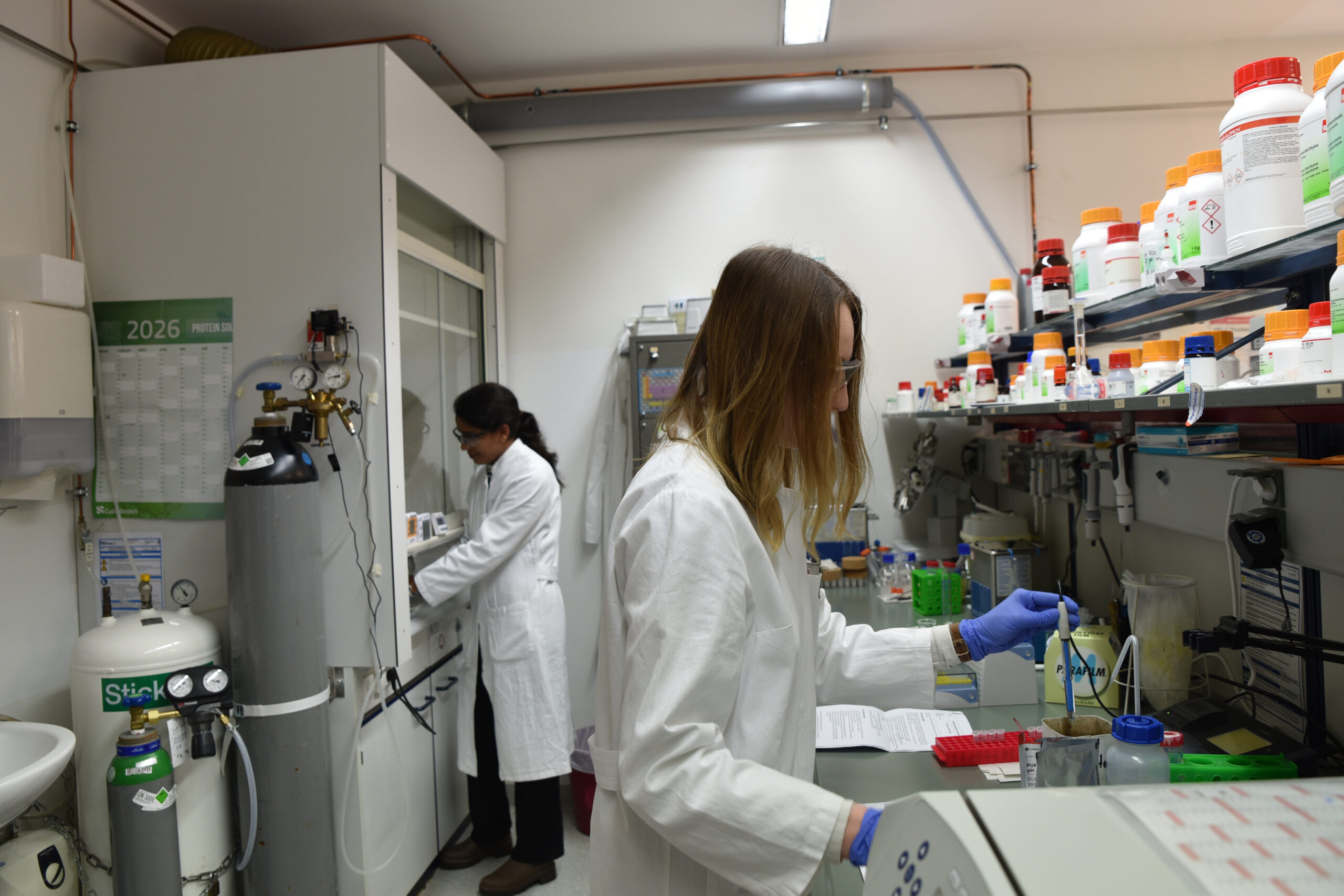
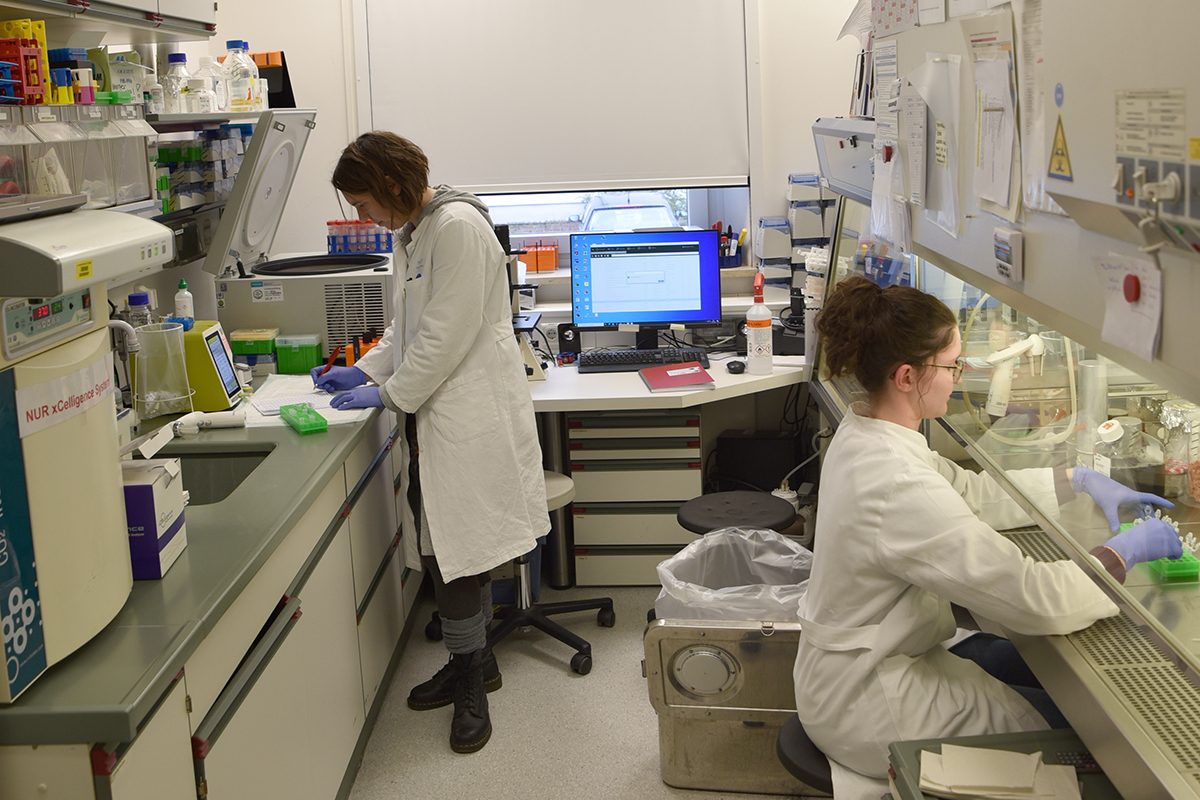
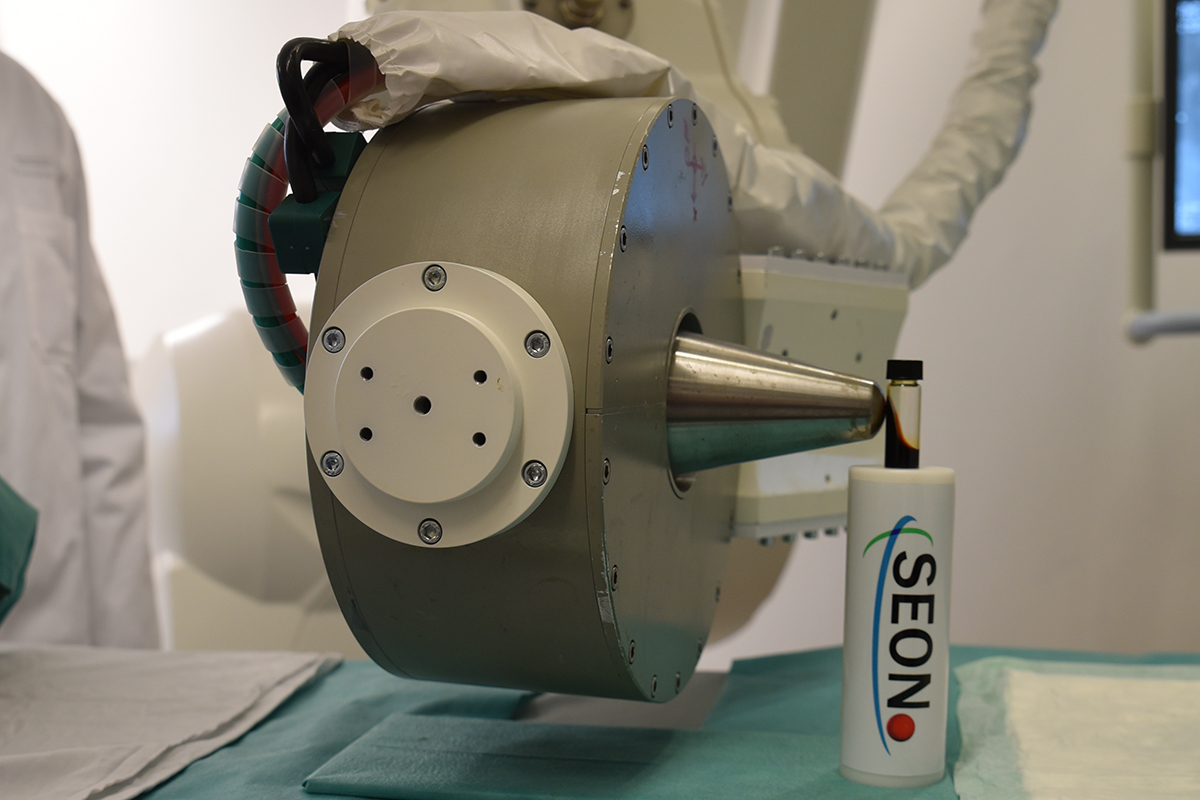
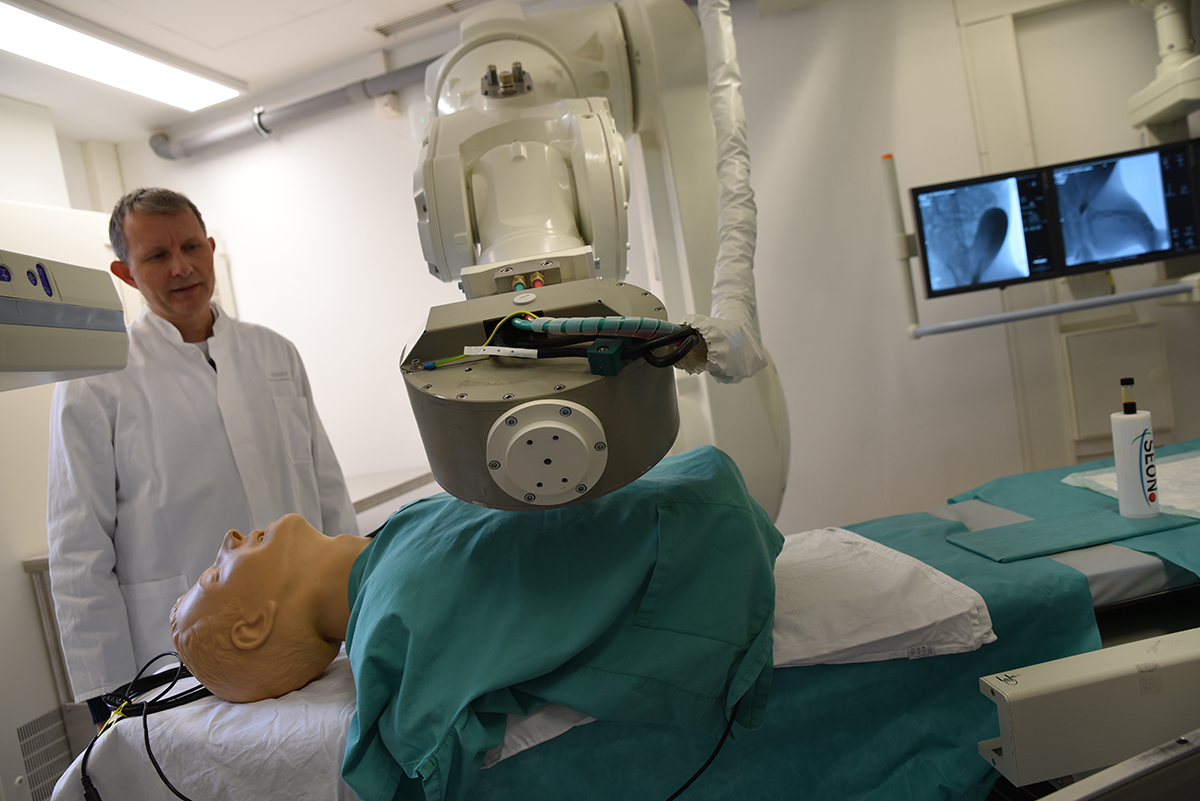
However, the interdisciplinary team began their research in the basement of the Department of Otorhinolaryngology – Head and Neck Surgery at Uniklinikum Erlangen, with no natural light. “The fact that we were initially housed in the Department of Otorhinolaryngology actually had its advantages,” says Christoph Alexiou. “This meant we came into contact more often with people suffering from illnesses that we can help treat in the future through our research.” We have realized time and again: “We are doing this for people, not for research publications and awards.” The move to the building on Glücksstrasse was an important step for SEON, as space was becoming limited in the basement of the Department of Otorhinolaryngology. The facility houses research equipment weighing several tons, such as a robotic arm for precisely controlling magnetic fields, a high-resolution 3D X-ray system for imaging blood vessels, and other laboratory equipment, with each square meter now also being used to full capacity. A look inside the laboratories reveals: The staff are working in cramped conditions, and there is no longer enough space for the larger equipment needed to develop or produce nanoparticles in the large quantities required for a clinical trial.
Small helpers with a big impact
SPIONs play a pivotal role at SEON. But what are they exactly? “SPIONs are iron nanoparticles surrounded by a coating of citric acid or polymers. Their structure varies depending on the application,” explains one of SEON’s deputy directors, PD Dr. Rainer Tietze, who is responsible for the development of the nanoparticles. “These nanoparticles can be magnetized and, for example, loaded with a therapeutic agent for magnetic drug targeting in chemotherapy and delivered directly to the tumor using magnetic field control.” “This increases the efficiency of chemotherapy many times over while simultaneously reducing its unpleasant side effects.” Nanoparticle technology can also be applied in other fields: in the treatment of infections or cardiovascular diseases, in MRI imaging, and in cancer diagnostics using quantum sensors. In this process, SPIONs bind to the cancer cells and alter their magnetic field, a change that can be detected using quantum sensors. This makes it possible to accurately distinguish even individual cancer cells from healthy cells. For example, in the case of tumor removal, this can help surgeons determine whether all cancer cells have been removed. But even beyond the field of medicine, SPION technology could be of interest to industry, for example, in any application where molecules or very small particles – ranging in size from micrometers to nanometers – are used as information carriers.
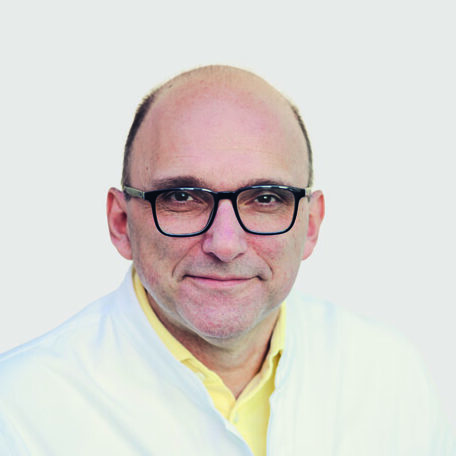
“With the German Center for Nano- and Quantum Medicine, we can translate basic research into clinical applications, further expand our technological leadership, and create jobs in the region.”Prof. Dr. Christoph Alexiou, Director of SEON
Unique in the world: A Center for Nano and Quantum Medicine
What really sets SEON’s work apart, however, is the translational concept behind it. The team is not only researching the method itself but is also focusing directly on its clinical application. “SEON is unique in the world,” explains Prof. Dr. Dr. Stefan Lyer, who holds the Professorship for AI-Driven Nanomaterials and also serves as deputy director of SEON. “Our development and application goals are closely linked. In addition, here at FAU, we are able to bring all the individual steps together under one roof.” These steps include nanoparticle synthesis, the investigation of potential hazards and biological effects of nanoparticles on cells, imaging and quantum sensing, as well as the pharmaceutical production of SPIONs in cooperation with industry partners.
However, the final step requires more. Extensive clinical trials are necessary before new forms of treatment can be applied in practice. “With these studies, we are entering the final phase of our research. For that, we need our own R&D center,” explains Prof. Dr. Alexiou. Together with the SEON team, he has already drawn up concrete plans for how such a center should be structured. It would house not only laboratories for the production and quality assurance of nanoparticles in the required quantities but also testing and research facilities for medical imaging and quantum sensor technology. To also capitalize on the economic potential of the technology developed by SEON, space has been set aside for a startup hub. The first startup, QuantumCell Diagnostics, which emerged from interdisciplinary research at FAU’s Chair of Applied Quantum Technologies, demonstrates that this potential exists. “The planned German Center for Nano and Quantum Medicine would create a hub that combines the physical precision of quantum technologies with the biomedical innovation of nanomedicine. That would be a unique feature not only in Germany, but worldwide,” says Prof. Dr. Roland Nagy, holder of the Chair of Applied Quantum Technologies.
The fact that revolutionary technology is being researched and developed at FAU is further underlined by the Nobel laureates in Physics, Prof. Dr. Gerd Binnig, and in Chemistry, Prof. Dr. Moungi Bawendi, visiting and giving presentations at SEON in 2015 and 2024 respectively. Prof. Alexiou is certain: “With the German Center for Nano and Quantum Medicine, we can translate basic research into clinical applications, further expand our technological leadership, and create jobs in the region.” The only remaining obstacle is funding.
For more information:
Prof. Dr. Christoph Alexiou
Professorship for Nanomedicine
Contact
- File Name
- FAU_SEON_Nanomedizin_Labor_1
- File Size
- 455 KB
- File Type
- JPEG
- File Name
- FAU_SEON_Nanopartiek_Labor_2
- File Size
- 789 KB
- File Type
- JPEG
- File Name
- FAU_SEON_Nanomedizin_Magnet
- File Size
- 573 KB
- File Type
- JPEG
- File Name
- FAU_SEON_Nanomedizin_Magnet_2
- File Size
- 592 KB
- File Type
- JPEG